


In 2012, Delta Air Lines did something no major commercial airline had ever done. It bought an oil refinery.

The move drew immediate skepticism. Airlines fly planes, critics argued. They do not run industrial fuel processing facilities.
Fourteen years later, with jet fuel prices near $197 per barrel and rivals warning of existential pressure, that “crazy” decision looks like one of the most prescient strategic calls in modern aviation history.
Recommended - Read Full Reports


The Acquisition That Raised Eyebrows
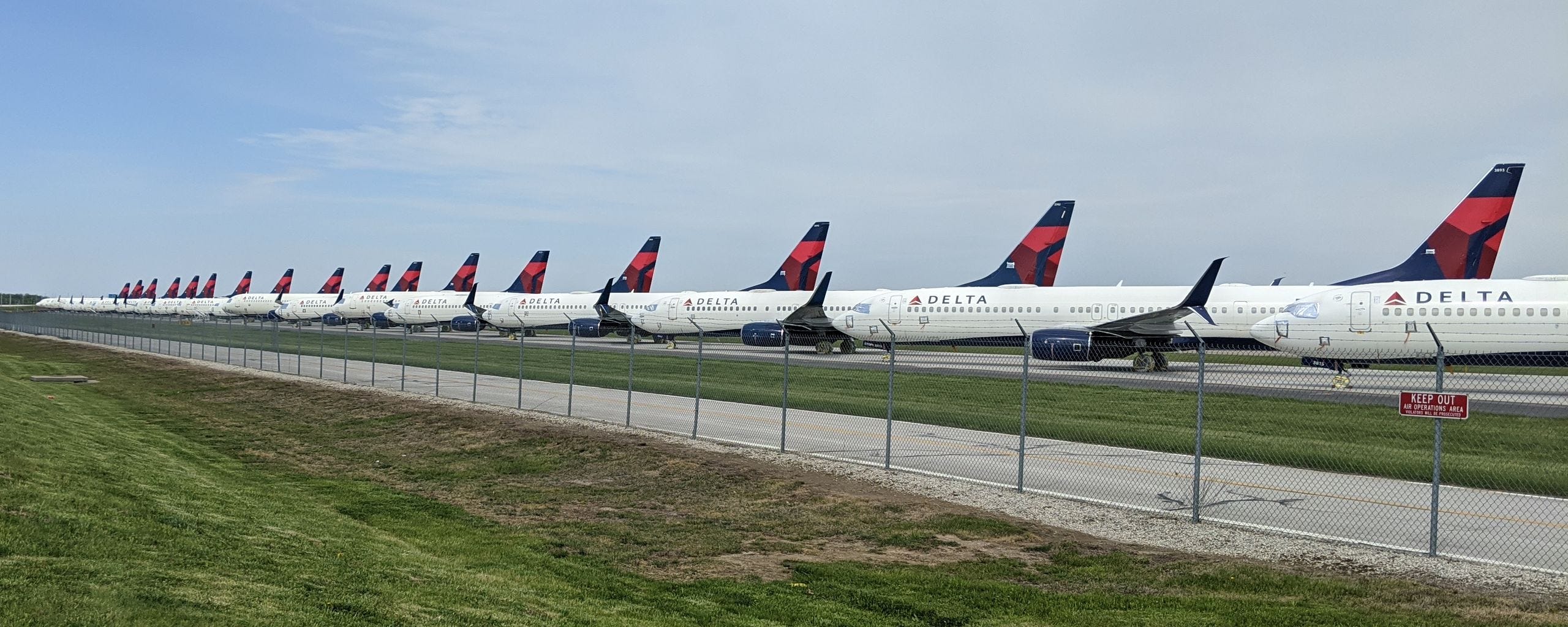
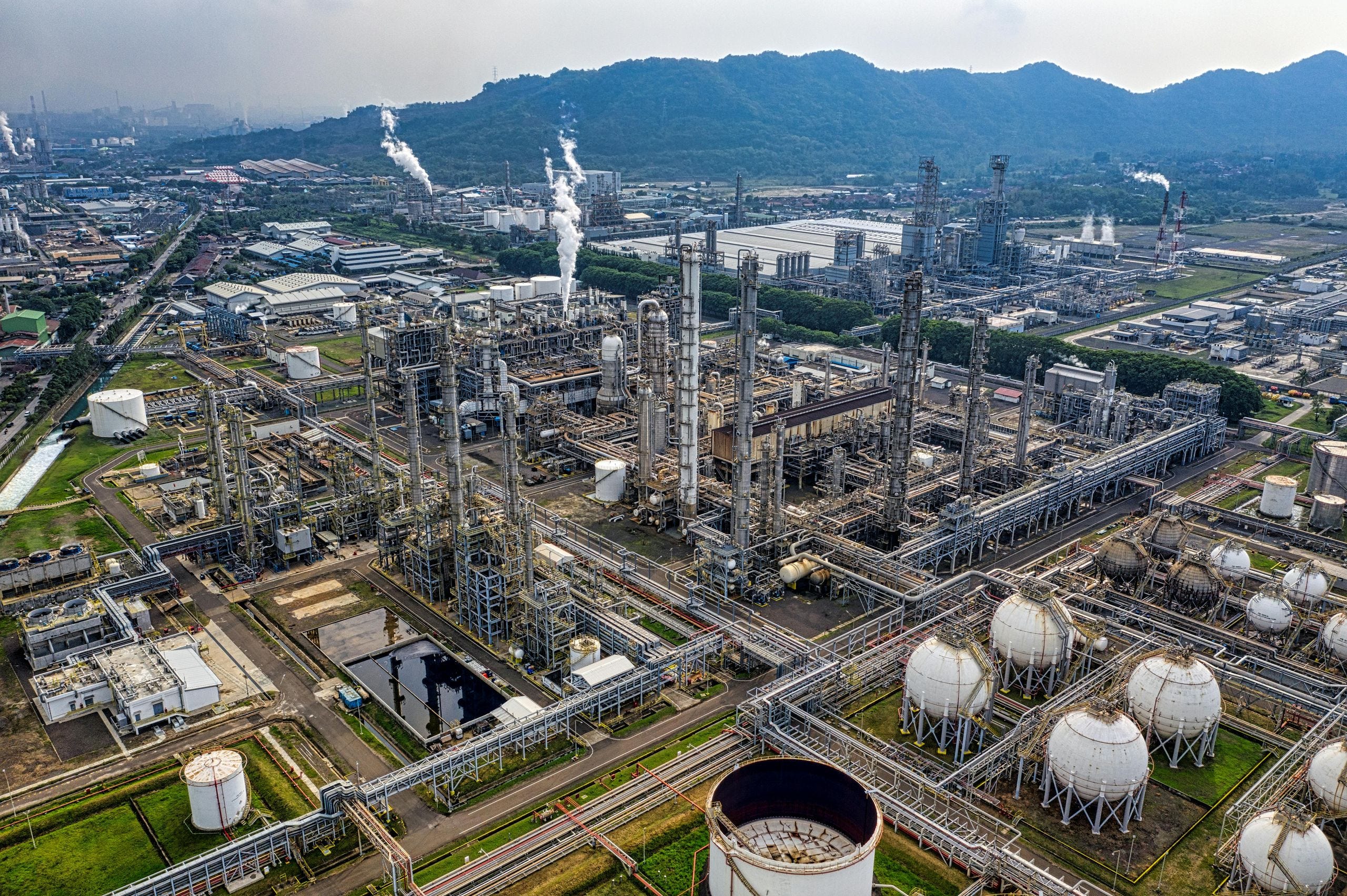
In April 2012, Delta, through its newly created subsidiary Monroe Energy LLC, acquired the Trainer Refinery near Philadelphia, Pennsylvania from Phillips 66. The purchase price was $150 million, partially offset by $30 million in state government assistance, bringing Delta’s net outlay to approximately $120 million.
The facility has a processing capacity of 185,000 barrels of crude oil per day. It is optimized specifically for jet fuel production, generating approximately 52,000 barrels of jet fuel daily.
Delta’s stated goal at the time was to cut roughly $300 million per year from its fuel bill. Wall Street was not convinced.
The 2026 Fuel Crisis Changes Everything
The ongoing U.S.-Israeli war on Iran, which began in late February 2026, has triggered a fuel cost crisis of historic proportions for global aviation.
Jet fuel prices have surged from $85 to $90 per barrel to $150 to $200 per barrel in a matter of weeks. As of the week of March 20, 2026, the IATA Jet Fuel Price Monitor reported a global average of $197 per barrel.
In the United States, Airlines for America recorded a spot price of $4.57 per gallon as of March 27, 2026. This represents a rise of more than 57% since the war started on February 28.
Fuel accounts for roughly 25 to 30 percent of an airline’s operating costs. When prices double in three weeks, the financial consequences are immediate and severe.