


A delayed summit is bad news for any aircraft deal that depends on political theater, timing, and reciprocal trade gestures. Still, could the more grounded reading about Boeing’s reported 500-jet opportunity with China, presumed delayed, not dead?
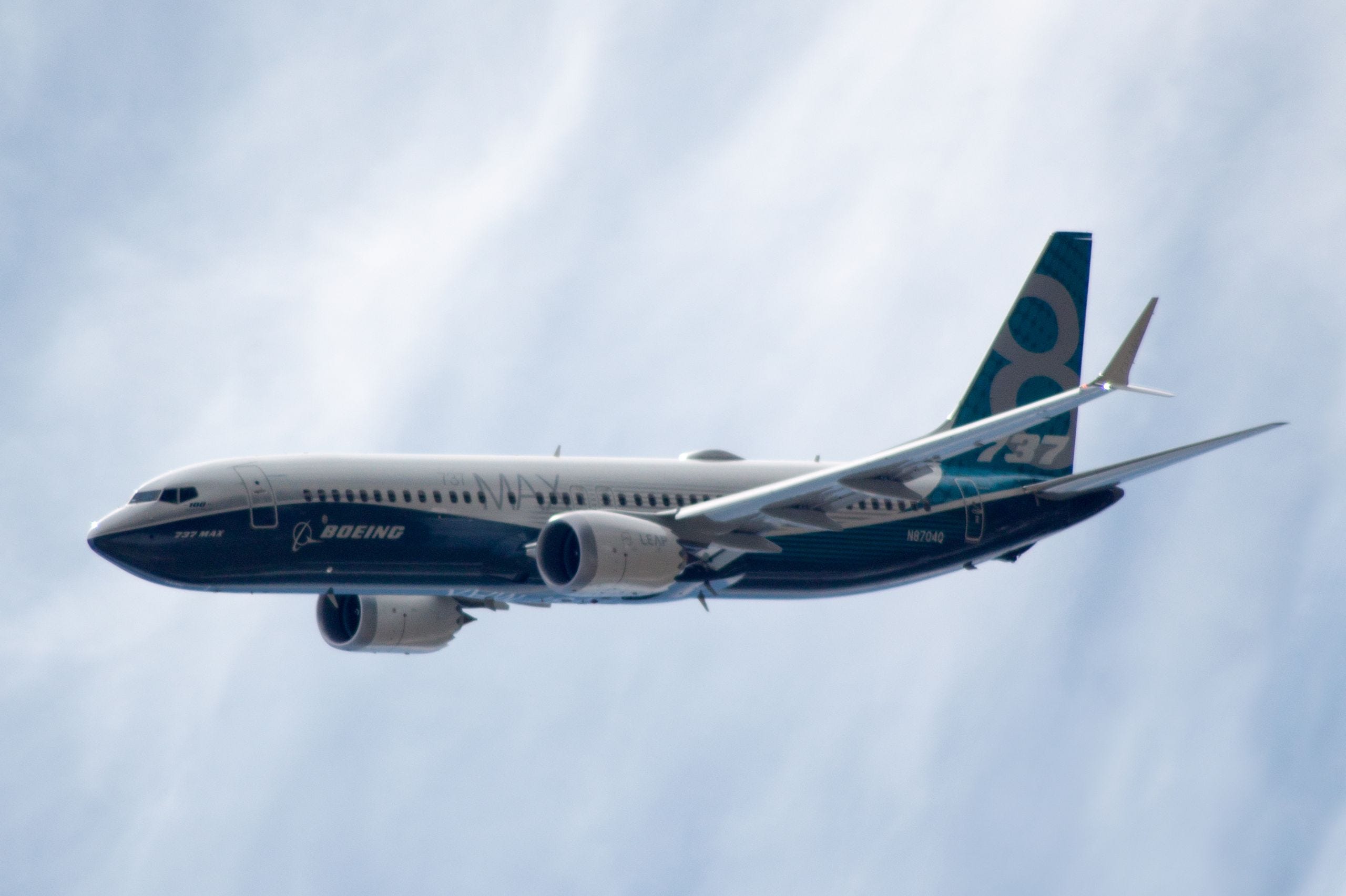
Several news sources reported on March 6 that Boeing was negotiating for up to 500 737 MAX jets, with parallel talks involving roughly 100 787 and 777X widebodies, and that the package was being lined up for a Trump visit to Beijing.
So, what happens now when the summit is delayed or even uncertain? Let’s analyze.
The order was always bigger than one summit
The summit mattered because major aircraft purchases between Washington and Beijing often serve two jobs at once. They satisfy airline fleet needs, and they also signal that broader relations are stable enough for both sides to claim progress.
That is why the March 17 summit delay raised concern. Reportedly, Trump asked to delay the Beijing meeting, with analysts tying the postponement to the Iran conflict, tariff complications, and a broader pause in efforts to reset bilateral ties after trade talks in Paris.
However, the political cost is real for Boeing. A deal framed for announcement during a state visit loses some of its momentum when the visit slips, because China often uses timing very carefully on large industrial orders.
Interestingly, another widely reported potential Airbus-China mega-deal last year did not materialize either, which is a reminder that political choreography can shape when an order is signed and when it is merely discussed.
Does the demand case remain strong?
Even with the summit pushed back, the basic fleet need inside China has not changed.
Boeing’s 2024 China market outlook says the country’s commercial fleet will grow from 4,345 aircraft to 9,740 by 2043, with demand for 8,830 new planes over 20 years, including 6,720 single-aisle jets and 1,575 widebodies.
Airbus is pointing in the same direction. Its January 2026 China outlook says the country is expected to take delivery of about 9,570 new aircraft over the next 20 years, which reinforces the point that this is not a discretionary market where airlines can simply stop modernizing for very long.
Interestingly, China needs at least 1,000 imported aircraft to support growth and replace older jets. That matters because domestic alternatives are improving, but not yet at a scale that eliminates the need for Airbus and Boeing across the narrowbody and widebody segments.