Executive Summary
easyJet crossed the £10 billion revenue mark in FY2025, reporting total revenue of £10,106 million and a 9% rise in headline profit before tax to £665 million, with EBIT of £703 million (up 18% YoY).
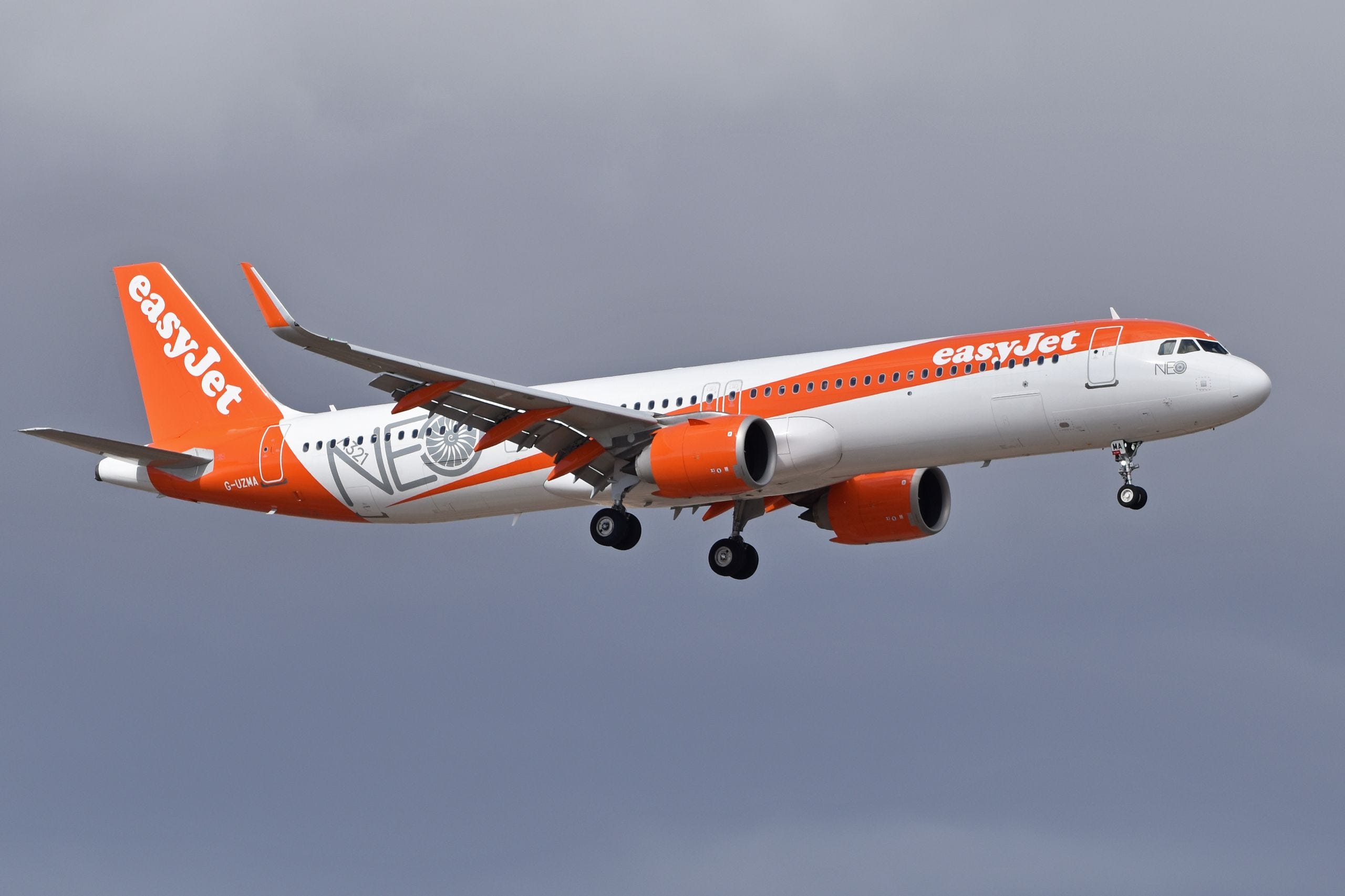
The airline has committed to 290 firm orders for A320neo family aircraft (125 A320neo and 165 A321neo), with deliveries running through 2034, and holds 100 additional purchase options, powering a fleet “upgauging” strategy that will grow its core fleet from 356 to 395 aircraft by FY2028.
easyJet Holidays has emerged as a growth engine, reaching £1,440 million in revenue (up 27% YoY), 3.1 million customers, and a new medium-term profit target of £450 million by 2030, supporting the group’s wider ambition of £1 billion in total profits.
Geopolitical headwinds from the Iran conflict have introduced near-term uncertainty, with bookings dropping for eastern Mediterranean destinations and jet fuel spot prices surging to $1,850 per tonne, though the airline’s fuel hedging strategy has shielded a significant portion of its FY2026 exposure.
Recommended - Read Full Reports


Read All Reports
Table of Contents
Executive Summary
Key Facts: easyJet Company Profile
Business Overview
Financial Analysis: FY2025 Performance
Airline Revenue Breakdown
Revenue Growth Drivers
easyJet Holidays: The Growth Engine
Q1 FY2026 Trading Update (Quarter Ended 31 December 2025)
easyJet Fleet: In-depth Analysis
Fleet Size and Composition
Fleet Age and Modernization
Aircraft Types and Configuration Strategy
The Airbus A319ceo: A Fading Workhorse
The Airbus A320neo: The Fleet Backbone
The Airbus A321neo: The Slot-Constrained Solution
Fleet Strategy: Upgauging and Growth Through 2028
The Mirus Kestrel Seats: Next-Generation Weight Savings
Route Network, Major Destinations, and Strategy
Network Scale and Scope
Summer 2026 Expansion: 16 New UK Routes
Italy: The Strategic Expansion Market
Morocco: The First African Base
Leisure Routes and Longer-Haul Network Development
Major Operational Bases (Hubs)
London Gatwick: The Flagship Base
Milan Malpensa: The Continental Europe Hub
Other Key UK Bases
Newcastle: The Newest UK Base
Continental European Bases
Competitive Position
Europe’s Low-Cost Carrier Hierarchy
easyJet vs. Ryanair
easyJet vs. Wizz Air
easyJet vs. Jet2
easyJet vs. Legacy Carriers
Sustainability and Environmental Strategy
The Road to Net Zero by 2050
Fleet Renewal as a Decarbonization Tool
Operational Efficiency Innovations
Digital Innovation and Customer Experience
Technology-Driven Operations
easyJet Holidays: Digital Tour Operating
Key Risks, Probabilities, and Scenarios
1. Geopolitical Risk: Iran Conflict and Middle East Instability
2. Fuel Price Volatility
3. Airbus Delivery Delays
4. Intense Competition
5. Regulatory and Environmental Compliance Costs
6. Currency Fluctuations
7. Airport Capacity Constraints
Leadership and Corporate Governance
Executive Leadership
Corporate Social Responsibility
Official Sources and Data
My Final Thoughts
Key Facts: easyJet Company Profile
Company Name:         easyJet plc
Founded:              1995 (by Sir Stelios Haji-Ioannou)
Headquarters:         Hangar 89, London Luton Airport, Luton, Bedfordshire, UK
CEO:                  Kenton Jarvis
Non-Executive Chair:  Sir Stephen Hester
IATA Codes:           U2 (easyJet UK), EC (easyJet Europe), DS (easyJet Switzerland)
Stock Exchange:       London Stock Exchange (Ticker: EZJ)
Index:                FTSE 100
Employees:            15,000+ across nine countries
Fleet Size (Group):   356 aircraft (as of September 2025)
Passengers (FY25):    93.4 million
Routes:               1,000+
Destinations:         160+ airports across 35 countries
Operational Bases:    29+ across Europe (plus Marrakech launching 2026)
FY2025 Revenue:       £10,106 million
FY2025 Headline PBT:  £665 million
Business Overview
Financial Analysis: FY2025 Performance
easyJet delivered another year of earnings growth in FY2025 (twelve months ended 30 September 2025). The airline group posted total revenue of £10,106 million, breaking through the £10 billion barrier for the first time and marking a 9% increase over the prior year.
Headline profit before tax reached £665 million, a 9% improvement year-on-year. Headline EBIT came in at £703 million, up a stronger 18%, reflecting gains from both the airline and its holidays division.
This was the third consecutive year of improving profitability for easyJet under CEO Kenton Jarvis, who took over the top role from Johan Lundgren.
FY2025 Financial Highlights
----------------------------
Total Group Revenue:       £10,106 million (+9% YoY)
Airline Revenue:           £8,666 million (+6% YoY)
easyJet Holidays Revenue:  £1,440 million (+27% YoY)
Headline EBIT:             £703 million (+18% YoY)
Headline PBT:              £665 million (+9% YoY)
Headline EPS:              66.4 pence
Return on Capital (ROCE):  18%
Net Cash Position:         £602 million (up £421m YoY)
Total Liquidity:           £4.8 billion
Proposed Dividend: 13.2 pence per shareAirline Revenue Breakdown
Airline revenue of £8,666 million was up 6% year-on-year, driven by a 4% increase in capacity to 104.0 million seats and a rise in total airline revenue per seat to £83.33 (from £81.35 in FY2024). The airline carried 93.4 million passengers at a load factor of 89.8%, up 0.5 percentage points.
Ancillary revenue per seat reached £24.94, covering revenue streams like allocated seating, Speedy Boarding, hold luggage, and onboard sales. Ancillary RASK was reported at 1.93 pence per available seat kilometre.
On the cost side, headline total cost per seat was £79.34, while CASK (cost per available seat kilometre) excluding fuel improved by 1% to 4.46 pence. Fuel CASK stood at 1.68 pence.
Airline Revenue Metrics (FY2025)
----------------------------------
Total Airline Revenue per Seat:   £83.33 (+2% YoY)
Ancillary Revenue per Seat:       £24.94
Airline Ancillary RASK:           1.93 pence
Headline Total Cost per Seat:     £79.34
Headline CASK ex-Fuel:            4.46 pence (-1% YoY)
Fuel CASK:                        1.68 pence
Total Headline CASK:              6.14 pence
Passengers Carried:               93.4 million (+4%)
Capacity (Seats):                 104.0 million (+4%)
Load Factor:                      89.8% (+0.5 ppts)
ASK:                              134,451 million (+9%)
Average Sector Length:            1,293 km (+6%)
Revenue Growth Drivers
Several key factors fueled easyJet’s revenue growth in FY2025.
Capacity expansion and network development played a primary role. The airline grew available seat kilometres (ASK) by 9%, partly through longer routes to destinations like Cape Verde, Marrakech, Turkey, and Egypt. The average sector length rose 6% to 1,293 km.
easyJet Holidays was a significant contributor, delivering revenue of £1,440 million (up 27%). The holidays business grew its customer base by 20% to 3.1 million, with average selling prices rising 5% to £698 per package.
Ancillary products continued to strengthen. Revenue from add-on services like seat selection, bags, and flexibility bundles grew alongside passenger numbers, helping push total airline revenue per seat higher.
Operational improvements also contributed. On-time performance increased, and customer satisfaction hit 80%, the highest level in over a decade, which supported repeat bookings and brand loyalty.
easyJet Holidays: The Growth Engine
easyJet Holidays has rapidly become one of the most important parts of the group’s earnings story. Headline profit before tax from the holidays division reached £250 million in FY2025, growing 32% year-on-year and hitting its original profit target ahead of schedule.
As a result, easyJet set a new target of £450 million in holidays profit by 2030. The most popular package holiday destinations included Mallorca, Tenerife, Costa Blanca, Dalaman, and Lanzarote. Top city break destinations were Amsterdam, Paris, Prague, Krakow, and Barcelona.
The holiday division doubled its UK market share to approximately 10%, with Jarvis stating that easyJet was “clearly winning customers from competitors.” Forward bookings for H1 FY2026 were 80% sold, with average selling prices rising in high single digits.
easyJet Holidays Performance (FY2025)
---------------------------------------
Holidays Revenue:         £1,440 million (+27% YoY)
Holidays PBT:             £250 million (+32% YoY)
Customers:                3.1 million (+20% YoY)
Average Selling Price:    £698 (+5% YoY)
UK Market Share:          ~10% (doubled YoY)
New Medium-Term Target: £450 million PBT by 2030Q1 FY2026 Trading Update (Quarter Ended 31 December 2025)
The first quarter of FY2026 showed a typical winter seasonal loss, with headline loss before tax widening to £93 million (from £61 million the prior year), partly due to strategic investment in new Italian bases and route expansion.
However, the underlying metrics were encouraging. Passengers grew 7% to 22.7 million, load factor improved to 90%, and ASK grew 9%. Passenger revenue reached £1,362 million (up 9%) and ancillary revenue hit £584 million (up 9%).
The airline maintained its FY2026 guidance, expecting ASK capacity growth of approximately 7% and seat growth of approximately 3%. The company reported that the January 2026 booking period had produced record levels in both volume and revenue.
easyJet Holidays delivered £50 million in headline profit before tax in Q1, with customer numbers up 20% and forward bookings for H2 standing at 47% sold.
easyJet Fleet: In-depth Analysis
Fleet Size and Composition
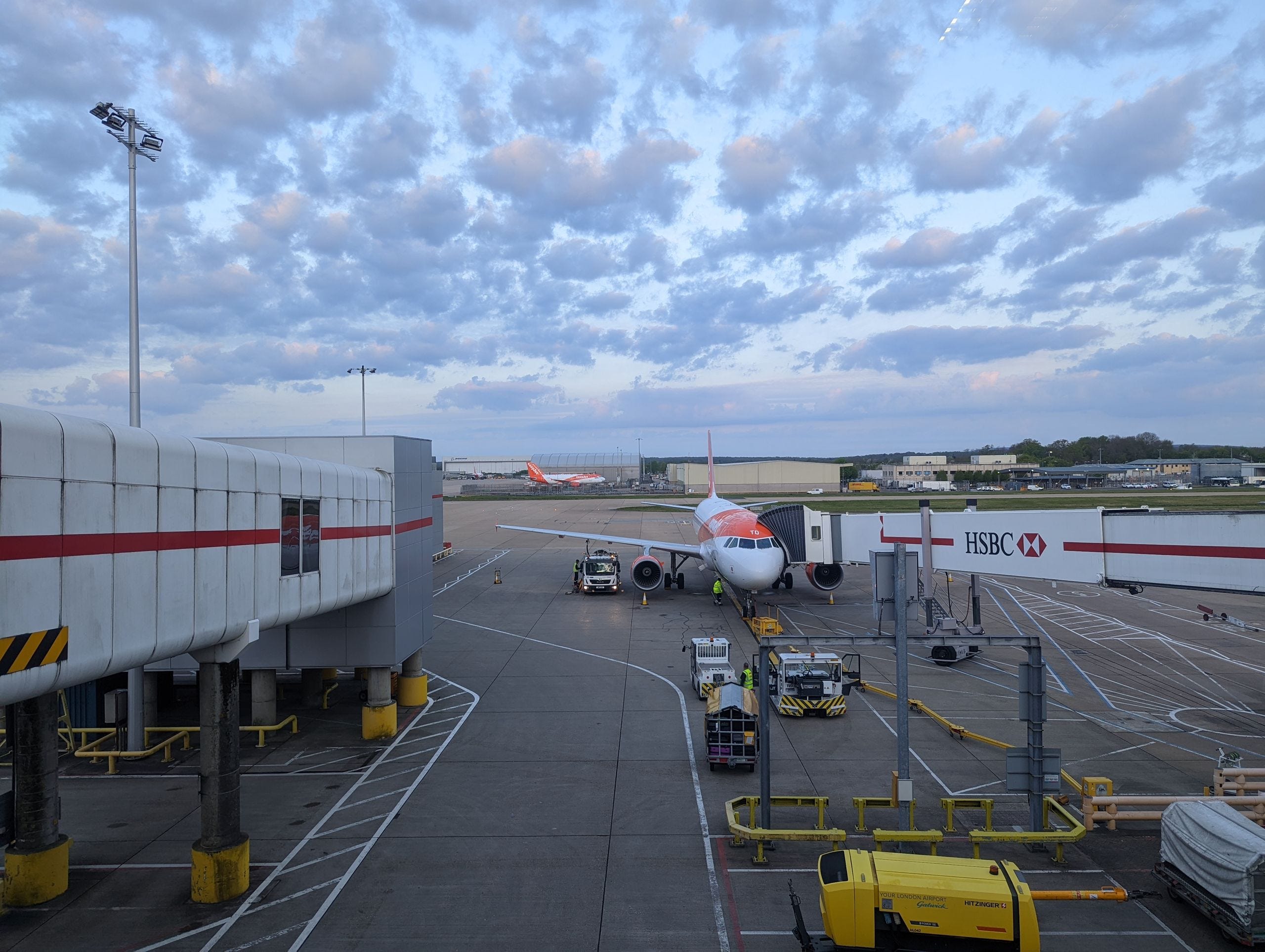
As of the end of FY2025 (September 2025), easyJet operated a total group fleet of 356 aircraft, with 205 owned and 151 leased. The fleet is split across three operating subsidiaries: easyJet UK, easyJet Europe (registered in Austria), and easyJet Switzerland.
The group’s average fleet age is approximately 11.3 years. The easyJet UK division alone operates around 189 aircraft with an average age of 11.7 years.
The fleet is composed entirely of Airbus A320 family aircraft, giving easyJet the benefits of fleet commonality in pilot training, maintenance, and spare parts management.
easyJet Group Fleet Composition (Approximate, 2025/2026)
----------------------------------------------------------
Aircraft Type         Approximate Count    Seats (easyJet Config)
Airbus A319ceo        ~82                  ~156
Airbus A320ceo        ~180                 ~168-186
Airbus A320neo        Growing              186
Airbus A321neo        ~19 (mid-2025)       235
----------------------------------------------------------
Total Fleet:          ~356 aircraft
Average Fleet Age:    ~11.3 years (group)
Ownership: 205 owned, 151 leasedFleet Age and Modernization
easyJet’s fleet age of around 11 years is competitive within the European LCC sector, though not the youngest. Wizz Air, for example, operates one of the youngest fleets in Europe with an average age well under 5 years.
The significant fleet renewal program now underway will rapidly bring down easyJet’s average age. As older A319s and first-generation A320ceos retire and new neo-generation aircraft arrive, the fleet profile will shift considerably by 2028.
Aircraft Types and Configuration Strategy
The Airbus A319ceo: A Fading Workhorse
The A319ceo has been a long-standing part of easyJet’s fleet, configured with approximately 156 seats. However, its days are numbered. The phase-out begins in 2026 with three aircraft retirements, accelerating to 19 removals in FY2027 and 29 in FY2028.
By FY2028, all 51 remaining A319s will have exited the fleet. This is a key piece of easyJet’s strategy, as the A319 carries the fewest passengers and has the highest per-seat costs of any type in the fleet.
The Airbus A320neo: The Fleet Backbone
The A320neo, configured with 186 seats, is becoming the workhorse of easyJet’s fleet. Equipped with CFM LEAP-1A engines and Sharklet wingtip devices, it offers approximately 15% better fuel efficiency than its ceo predecessor.
Replacing an A319 with an A320neo delivers a 24% reduction in fuel consumption per seat and a 16% improvement in productivity, plus cost savings of approximately £10 per seat.
easyJet has 125 A320neo aircraft on firm order as part of its wider 290-aircraft neo commitment.
The Airbus A321neo: The Slot-Constrained Solution
The A321neo is the largest and most strategically important addition to easyJet’s fleet. With 235 seats per aircraft, it carries 51% more passengers than an A319 and about 26% more than an A320neo.
As of mid-2025, easyJet operated 19 A321neo aircraft. They were deployed across five primary bases: London Gatwick (7), Milan Malpensa (6), Bristol (2), Manchester (2), and Lisbon (2).
The unit cost savings from operating the A321neo are considerable. Compared to an A319, the A321neo delivers approximately £16 per seat in savings and a 30% reduction in fuel burn per seat. Even against the A320neo, it offers an estimated 9% improvement in unit costs.
For slot-constrained airports like London Gatwick, the A321neo is the key to growth. Since securing additional landing slots at such airports is extremely difficult, the only practical way to carry more passengers is by increasing the size of the aircraft using existing slots.
easyJet has 165 A321neo aircraft on firm order, and 14 of the 17 aircraft scheduled for delivery in FY2026 are A321neo variants.
A321neo vs. A319 Comparison at easyJet
-----------------------------------------
Metric                   A319      A321neo     Change
Seats                    ~156      235         +51%
Fuel per Seat            Base      -30%        Significant
Cost Savings per Seat    Base      ~£16        Substantial
Productivity Base +21% Major gainFleet Strategy: Upgauging and Growth Through 2028
easyJet’s overarching fleet strategy is centered on “upgauging,” which means replacing smaller aircraft with larger ones to grow passenger capacity without needing a proportional increase in the number of aircraft or landing slots.
The airline has placed 290 firm orders for A320neo family aircraft (125 A320neo and 165 A321neo), with an additional 100 purchase options. Deliveries are scheduled through 2034, with all aircraft powered by CFM LEAP-1A engines.
Investment spending on fleet renewal is set to rise from £1.3 billion in FY2025 to a projected £3.3 billion by FY2028, underscoring the scale of this commitment.
The delivery profile accelerates significantly. After receiving 9 new aircraft in FY2025, easyJet expects 17 deliveries in FY2026 (including 14 A321neo), 30 in FY2027, and 43 in FY2028.
easyJet Fleet Growth Trajectory
---------------------------------
Fiscal Year    Fleet Size    Avg. Seats/Aircraft    New Deliveries    A319 Retirements
FY2025         356           ~181                   9                 0
FY2026         ~370          ~184                   17                3
FY2027         ~381          ~187                   30                19
FY2028         ~395          ~191                   43                29
By FY2028, the average seats per aircraft will rise from 181 to 191. While the number of aircraft grows by approximately 11%, the total seating capacity of the fleet will increase by roughly 17%.
This gap between aircraft growth and seat growth is the core economic advantage of the upgauging strategy.
The Mirus Kestrel Seats: Next-Generation Weight Savings
In March 2026, easyJet announced a deal with Norfolk-based Mirus Aircraft Seating to install next-generation “Kestrel” economy seats on new A320neo and A321neo deliveries from 2028 onward.
These seats are over 20% lighter than current models, shedding up to 500kg per aircraft on larger fleet types. The pre-reclined, ergonomic design also adds up to two inches of additional legroom without removing rows or changing seat pitch.
The weight reduction translates to estimated combined annual fuel savings of over 12,936 tonnes, equivalent to keeping approximately 40,513 tonnes of CO2 out of the atmosphere each year. The seats are also 98% recyclable at end of life.
CEO Kenton Jarvis spoke about this at the Newcastle base opening, noting that easyJet was “proving that sustainability, cost-efficiency & customer comfort can go hand-in-hand.”
Mirus Kestrel Seat Highlights
-------------------------------
Weight Reduction:       Over 20% lighter than current seats
Weight Saved per Aircraft: Up to 500 kg
Annual Fuel Savings:    12,936 tonnes (fleet-wide)
Annual CO2 Reduction:   ~40,513 tonnes
Legroom Improvement:    Up to 2 additional inches
Recyclability:          98%
Installation Begins:    2028 (on new A320neo/A321neo deliveries)