


Dear Readers, Welcome to the AviationOutlook Newsletter.
Let’s analyze today’s topic in detail.
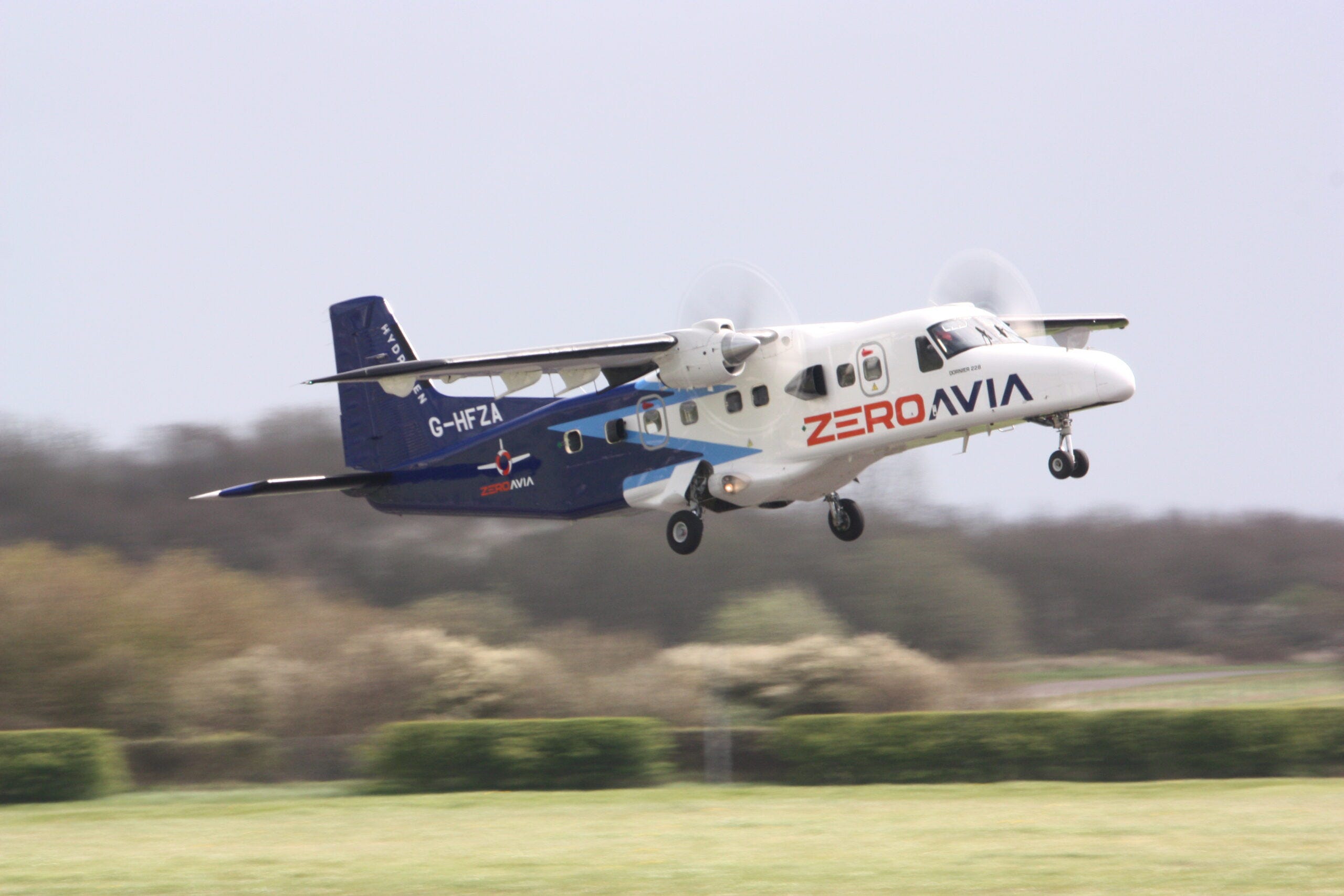
ZeroAvia recently announced that the U.S. Federal Aviation Administration (FAA) had published special conditions for the company’s ZA601 electric engine as a Final Rule in the Federal Register. The rule took effect on March 18, 2026.
For anyone interested in the certification trajectory of electric and hydrogen-electric propulsion in commercial aviation, this milestone represents one of the most substantive advances made by any developer in the sector to date.
Recommended - Read Full Reports


Read All Reports
Table of Contents
What Are FAA “Special Conditions” and Why Do They Matter?
The ZA601 Engine and the ZA600 Powertrain: A Technical Overview
The Regulatory Pathway: From G-1 to Federal Register
UK Certification Progress Runs in Parallel
The Funding Challenge: Honest Context for a Mixed Picture
What Comes Next in the Certification Process?
The Broader Significance for Aviation Stakeholders
What Are FAA “Special Conditions” and Why Do They Matter?
The FAA’s existing airworthiness standards under 14 CFR Part 33 were written specifically for turbine and reciprocating engines.
They address combustion dynamics, hot-section integrity, and fuel system behavior. But they do not address high-voltage electrical systems, motor controllers, bidirectional inverters, or the failure modes specific to electric propulsion.
When a technology presents “novel or unusual design features” that fall outside existing rules, the FAA issues bespoke regulatory requirements called special conditions.
Key distinction:

Special conditions are NOT an approval or certification.

They are the formal, finalized list of safety standards a manufacturer must now prove compliance with, through testing, analysis, and documentation, before a type certificate can be granted.
Getting special conditions published is a significant threshold to cross.
It tells the industry exactly what ZeroAvia must demonstrate, and it confirms that the FAA has formally engaged with the technology on its own terms rather than forcing it into an ill-fitting legacy framework.
The special conditions for the ZA601 cover ratings and operating limits, durability, fire protection, overspeed behavior, control system integrity, vibration tolerance, ingestion characteristics, and high-voltage electrical system safety.
The FAA also requires that high-voltage electrical wiring connecting the controller to the motor be protected against arc faults, which it describes as “high-power discharge of electricity between two or more conductors.”
The ZA601 Engine and the ZA600 Powertrain: A Technical Overview
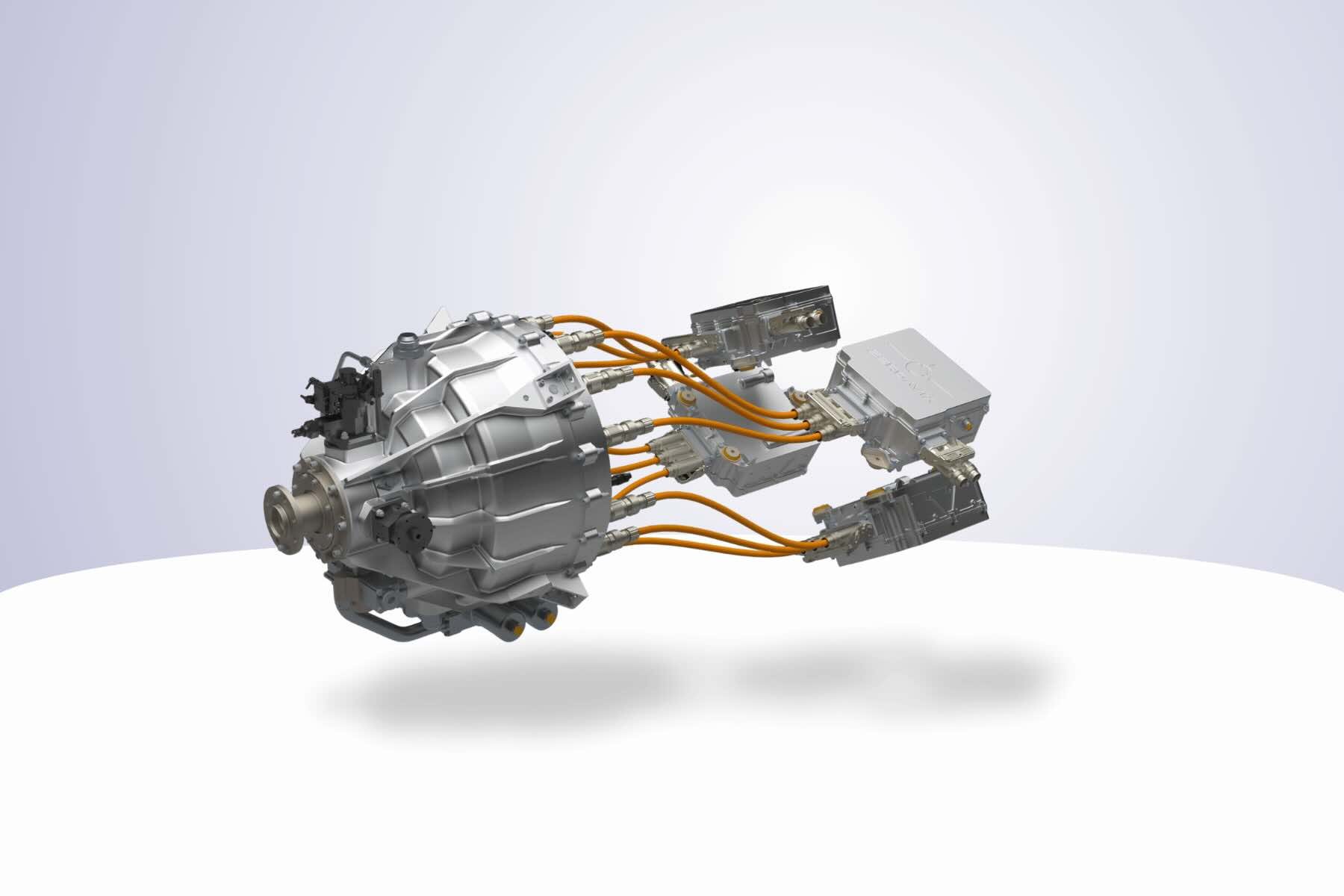
The ZA601 is the electric engine component at the center of this regulatory action.
It combines a proprietary 600kW electric motor with stator, bidirectional inverters, and controllers, operating across both low and high-voltage electrical systems.
The ZA601 is not a standalone product in its final commercial form. It’s the electric propulsion system (EPS) within ZeroAvia’s broader ZA600 hydrogen-electric powertrain, which is the company’s primary product targeting 10-to-20-seat regional turboprop aircraft certified under FAA 14 CFR Part 23.
ZA600 Powertrain Architecture:
- Hydrogen fuel cell modules (SuperStack Flex, 200kW each)
  → generate DC electricity
- Bidirectional inverters
  → convert and manage power flow
- 600kW direct-drive electric motor (ZA601)
  → spins at 2,200 rpm
- No combustion. Zero direct carbon emissions.
- Operating cost reduction target: ~40%
- Emissions reduction target: ~90%
The system is designed to replace conventional turboprop engines on existing regional aircraft, with ZeroAvia pursuing a supplemental type certificate (STC) for the Cessna Grand Caravan as its launch airframe. An engineering partnership with Textron Aviation is already in place for this integration.
For the full powertrain, the EPS is powered by multiple SuperStack Flex 200kW fuel cell modules.
Separately, the EPS is also being positioned as a standalone component for UAV, eVTOL, and general aviation applications, and is already being supplied to defense-sector customers.
The Regulatory Pathway: From G-1 to Federal Register
The FAA’s certification process for a novel propulsion system like the ZA601 involves multiple sequential stages, each building on the last.
Understanding where the publication of special conditions sits within that framework matters for assessing what the milestone actually means.