


Spirit Airlines CEO Ted Christie has announced that the company is not considering filing for Chapter 11 bankruptcy. This statement comes after the failed merger with JetBlue Airways and ongoing challenges, including a Pratt & Whitney engine recall that has grounded several of its Airbus planes.
Despite these setbacks, Christie expressed optimism about Spirit's standalone plan and recent business model adjustments.
Key Points
Failed JetBlue Merger: A federal judge blocked JetBlue's $3.8 billion takeover of Spirit on antitrust grounds, raising concerns about Spirit's financial stability.
Engine Recall: A recall of Pratt & Whitney engines has grounded dozens of Spirit's Airbus planes, adding to operational challenges.
Business Model Changes: Spirit has eliminated most flight-change fees, bundled perks, and extended the validity of flight credits to attract more customers.
Financial Struggles: Spirit's stock has plummeted by over 78% this year, and the company faces significant debt maturities in 2025 and 2026.
Optimistic Outlook: Despite financial difficulties and a recent credit rating downgrade by S&P, Christie remains confident in the company's ability to succeed independently.
Why It Matters
Spirit Airlines' decision to avoid Chapter 11 bankruptcy is crucial for its stakeholders, including employees, investors, and customers. The company's ability to navigate through its financial and operational challenges without resorting to bankruptcy could set a precedent for other struggling airlines.
Additionally, Spirit's efforts to revamp its business model may help it regain market share and improve customer satisfaction.
Archer Aviation Receives FAA Part 135 Certification
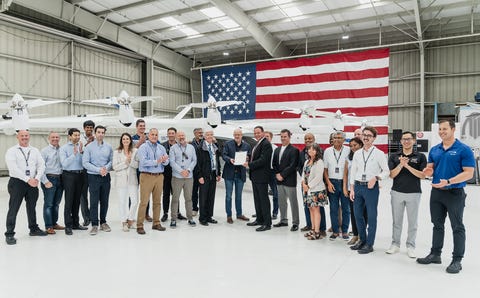
Archer Aviation has achieved a significant milestone by receiving its Part 135 Air Carrier & Operator Certificate from the FAA. This certification allows Archer to begin commercial operations, marking a crucial step towards launching its electric vertical takeoff and landing (eVTOL) aircraft, Midnight, into service.
Key Points
Archer is now one of only two eVTOL companies to receive Part 135 certification, the other being Joby Aviation.
The certification process involved five rigorous stages, including extensive documentation and pilot proficiency demonstrations.
Archer also holds a Part 145 certificate, enabling it to perform specialized aircraft repair services.
The company plans to use conventional aircraft initially to refine its systems and procedures before Midnight receives its type certification.
United Airlines has shown strong support, with plans to integrate Archer's eVTOLs into its operations.
Why It Matters
This certification is a pivotal step for Archer, as it brings the company closer to commercializing its eVTOL technology.
The ability to operate commercially allows Archer to fine-tune its systems and procedures, ensuring a smooth transition once Midnight receives its type certification.
Mesa Airlines Streamlines Operations with CRJ-900 Sales and E175 Transfers
Mesa Airlines has sold six of its surplus CRJ-900 aircraft and ten engines as part of its Regional Aircraft Securitization Program (RASPRO) finance lease. This move is part of a broader strategy to reduce financial obligations and streamline operations. The sale of these assets is expected to help Mesa reduce its purchase obligation from $50.4 million to $27.3 million, with the goal of fully eliminating this obligation by September 2024.
In addition to the CRJ-900 sales, Mesa is transitioning some of its Embraer 175 (E175) aircraft to SkyWest Airlines. This transition is part of a strategic shift as Mesa continues to reconfigure its fleet and operational focus, particularly in light of its new agreements with United Airlines.
Key Points
Asset Sale: Mesa sold six CRJ-900s and ten engines, reducing its purchase obligation under the RASPRO finance lease.
Financial Impact: The sale is expected to generate significant revenue, which will be used to pay down debt.
Operational Shift: Some E175 aircraft are being transitioned to SkyWest Airlines, which may help alleviate Mesa's staffing issues.
Strategic Focus: These moves are part of Mesa's efforts to prioritize future profitability and operational efficiency.
Why It Matters
It highlights Mesa Airlines' ongoing efforts to stabilize its financial situation and improve operational efficiency. By selling surplus assets and transitioning aircraft, Mesa aims to reduce debt and better manage its fleet, which is crucial for its long-term sustainability.
NetJets Takes Legal Action Against Pilots' Union Over Safety Claims
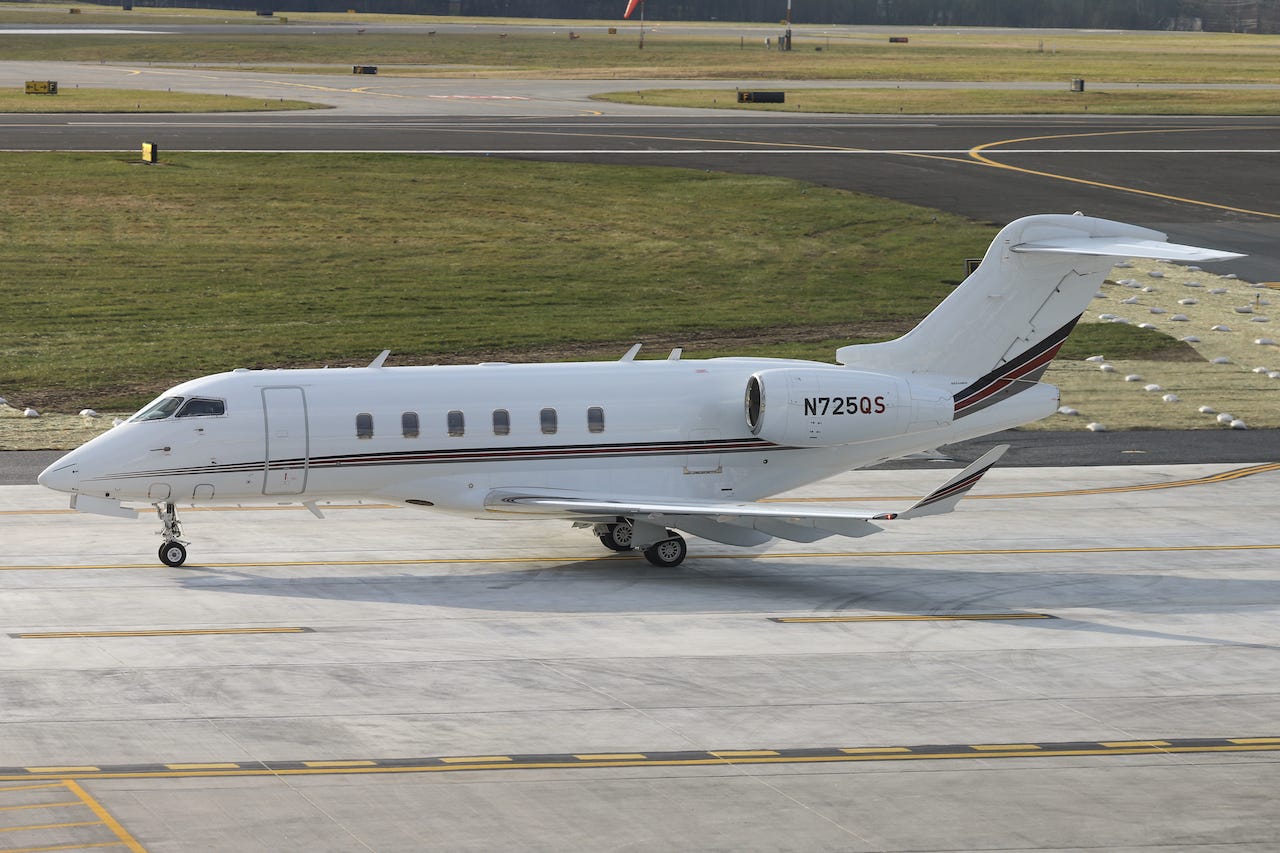

NetJets, the luxury plane unit of Warren Buffett's Berkshire Hathaway Inc., has filed a defamation lawsuit against its pilots' union, the NetJets Association of Shared Aircraft Pilots (NJASAP). The lawsuit, filed in a court in Ohio, accuses the union of making false claims about the company's safety and training practices. NetJets alleges that the union's statements have damaged its reputation and business.
The union, representing 3,400 pilots, has been vocal about its concerns regarding safety and training, which NetJets claims are baseless and defamatory. The company is seeking unspecified damages and a retraction of the statements.
Key Points
Defamation Lawsuit: NetJets sues its pilots' union for defamation over safety and training claims.
Union's Allegations: The union has raised concerns about safety and training, which NetJets disputes.
Legal Action: Filed in federal court in Ohio, NetJets seeks damages and a retraction.
Reputation at Stake: NetJets claims the union's statements have harmed its business and reputation.
Union Representation: The union represents 3,400 pilots working for NetJets.
Why It Matters
This lawsuit highlights the tension between NetJets and its pilots' union, which could impact the company's operations and reputation. Safety and training are critical issues in the aviation industry, and any allegations can have significant repercussions. The outcome of this case could set a precedent for how such disputes are handled in the future.