


Dear Readers, Welcome to AviationOutlook Newsletter.
Let’s analyze today’s topic in detail.
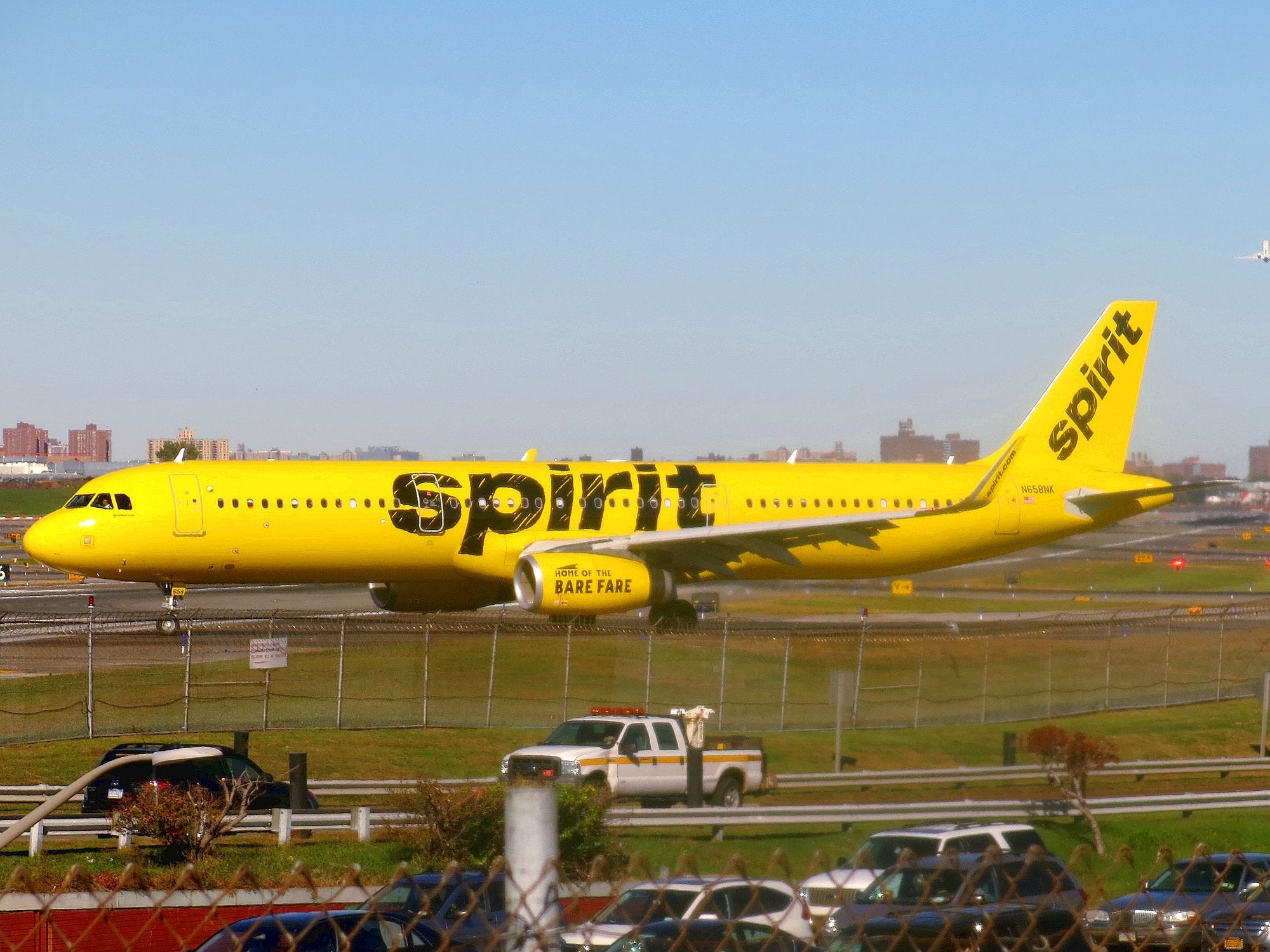
The trending aviation news right now is that, reportedly, Spirit Airlines is at risk of being liquidated as early as this week.
The budget airline, once the largest ultra-low-cost carrier (ULCC) in the United States, may be forced to cease all operations and sell off its remaining assets if creditor negotiations fall apart.
Also Read

This would mark the end of an airline that has been struggling through two Chapter 11 bankruptcy filings in under a year.
But Spirit’s potential collapse doesn’t just affect one carrier. It sends ripple effects across the broader U.S. aviation ecosystem, from airport operators and lessors to employees, travelers, and rival airlines.
Recommended - Read Full Reports


Read All Reports
Table of Contents
How We Got Here: A Timeline of Financial Turbulence
The Restructuring Plan That May Never Take Off
Rising Fuel Costs: The Factor Spirit Cannot Control
The Human Cost
Industry Ripple Effects: Who Wins and Who Loses?
Frontier: “Last Man Standing”
Airports and Gate Access
Travelers Pay the Price
The $2.76 Billion Loss and Asset Liquidation Scenario
What Happens Next? Possible Scenarios
Broader Lessons for the Aviation Industry
How We Got Here: A Timeline of Financial Turbulence
Spirit Airlines’ financial decline has been gradual but accelerating. Understanding the chain of events is critical for any industry stakeholder evaluating the fallout.
KEY MILESTONES IN SPIRIT'S DECLINE:
─────────────────────────────────────────────────
Feb 2022 .... Frontier and Spirit agree to $6.6B merger
Mid 2022 .... JetBlue launches hostile $3.8B counter-bid
Jan 2024 .... Federal judge blocks JetBlue-Spirit merger
Nov 2024 .... Spirit files for Chapter 11 (first time)
Mar 2025 .... Spirit exits first bankruptcy
Aug 2025 .... Spirit files for Chapter 11 again (second time)
Feb 2026 .... Creditor restructuring deal announced
Mar 2026 .... Restructuring Support Agreement filed
Apr 2026 .... Reports broke of imminent liquidation risk
─────────────────────────────────────────────────
The story begins in February 2022, when Frontier and Spirit agreed to a $6.6 billion merger that would have created the fifth-largest airline in the country. But JetBlue swooped in with a hostile $3.8 billion counter-offer that Spirit’s shareholders ultimately accepted.
That decision turned out to be devastating.
A federal judge blocked the JetBlue-Spirit deal in January 2024, ruling it would harm budget-conscious travelers. Spirit collected a $69 million termination fee, but lost something far more valuable: strategic direction, investor confidence, and precious time.
Spirit filed for Chapter 11 in November 2024, emerged in March 2025, and then lost $257 million over the next three months alone.
By August 2025, it was back in bankruptcy court for a second time.
The Restructuring Plan That May Never Take Off
On March 13, 2026, Spirit filed a Restructuring Support Agreement (RSA) and Plan of Reorganization with the U.S. Bankruptcy Court for the Southern District of New York.
The plan was built on aggressive downsizing and debt reduction.
SPIRIT'S RESTRUCTURING BLUEPRINT:
─────────────────────────────────────────────────
Debt Reduction ..... $7.4 billion → ~$2 billion
Fleet Target ....... 76-80 aircraft (from 214 pre-filing)
Core Markets ....... Fort Lauderdale, Orlando, Detroit, NYC
Strategy ........... Focus on peak routes, premium upsells
Exit Target ........ Early summer 2026
─────────────────────────────────────────────────
Spirit’s CEO Dave Davis called the RSA “another significant step forward” that reflects the “confidence our lenders and noteholders have in our future.” The airline planned to slash fleet costs by $550 million annually, representing a 65% reduction from pre-bankruptcy levels.
The plan also involved selling 20 Airbus A320-family aircraft to CSDS Asset Management for $533.5 million.
Spirit also struck a deal to sell its maintenance hangar at Detroit Metropolitan Airport for approximately $18 million in immediate cash, then lease it back. It sold its preferred gates at O’Hare to United Airlines for more than $30 million.
On paper, the restructuring path was aggressive but logical.
In reality, external forces have undermined nearly every assumption it was built on.