


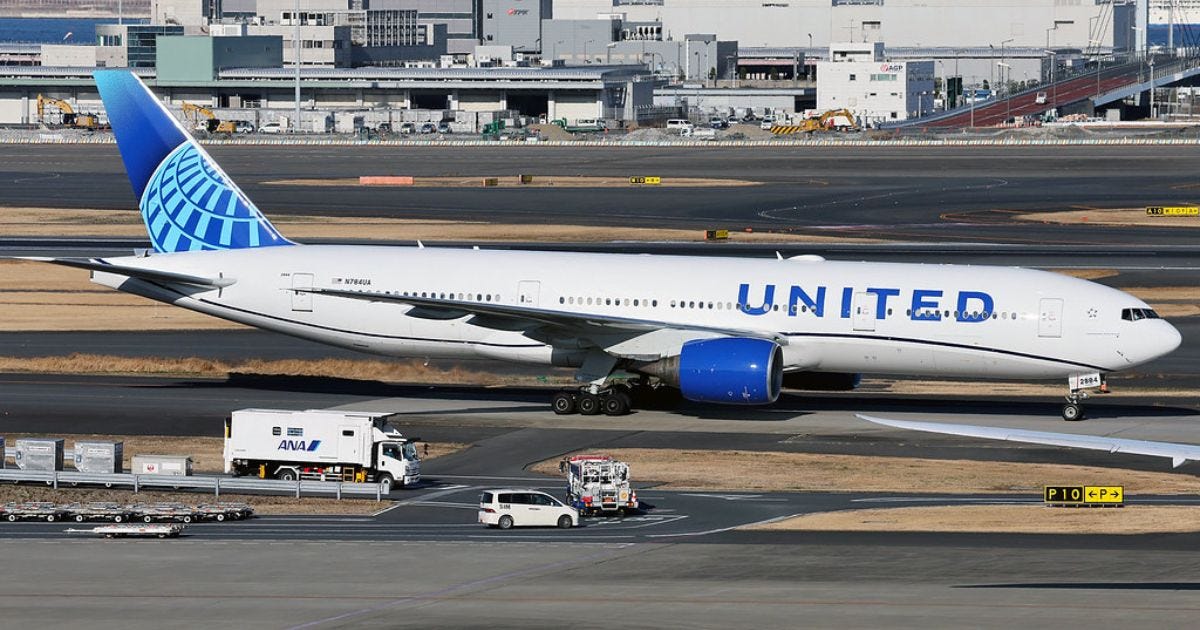
A United Airlines Boeing 777-224ER experienced a significant engine failure shortly after takeoff from Washington Dulles International Airport on December 13, 2025, forcing an emergency return that tested the crew’s training and the aircraft’s dual-engine safety systems.
The incident involving Flight 803, bound for Tokyo’s Haneda Airport, unfolded as 275 passengers and 15 crew members were beginning what should have been a routine 16-hour transpacific journey.
The Critical Moments After Departure
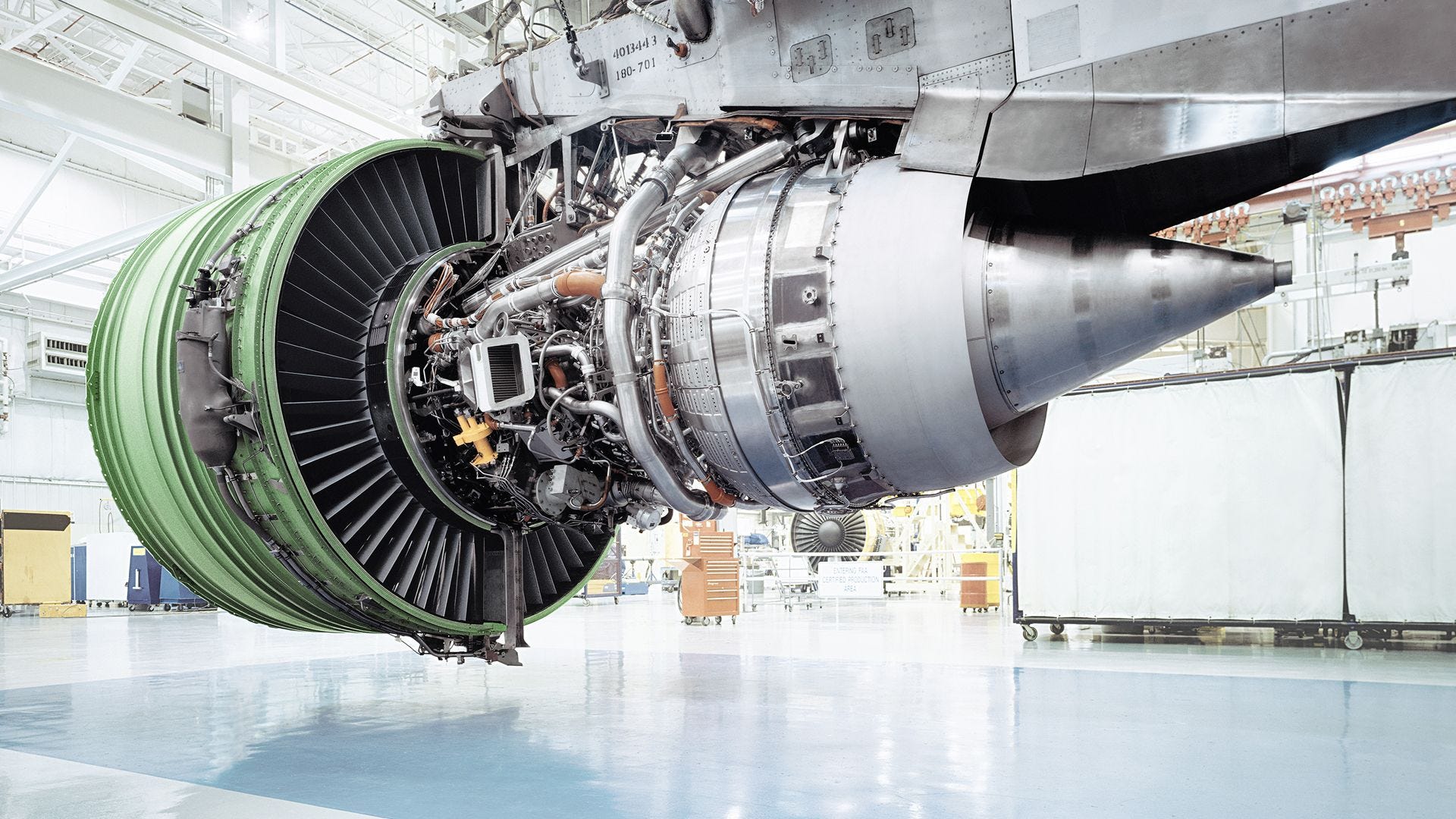
At approximately 12:20 p.m. EST on Saturday, Flight 803’s left General Electric GE90-92B turbofan engine failed during the critical takeoff phase from runway 01C/19C. According to Transportation Secretary Sean Duffy, a piece of the engine cover separated and caught fire, sparking a mulch and brush fire on the ground near the runway that required immediate airport fire response.
The 27-year-old aircraft had accumulated decades of service on United’s long-haul routes. Despite its age, Boeing 777-200ER aircraft remain workhorses in many airline fleets due to their reliability and efficiency on transpacific routes. The twin-engine widebody is specifically certified for Extended-range Twin-engine Operational Performance Standards (ETOPS), allowing it to fly extended routes over water with appropriate safety margins.
Emergency Procedures and Safe Return
Following established emergency protocols, the flight crew immediately declared an emergency and coordinated with air traffic control for a return to Dulles. Live air traffic control recordings captured controllers calmly but urgently coordinating the jet’s return, clearing airspace, and positioning ground crews for emergency response.
CRITICAL TIMELINE:
12:20 PM - Engine failure during takeoff from Dulles
12:20-1:30 PM - Aircraft circles, dumps fuel over Dale City, Virginia
1:30 PM - Safe landing on runway 22L at Dulles
No injuries reported among 290 people aboard
The aircraft dumped fuel over Dale City, Virginia, approximately 40 miles from the airport, from an altitude of 5,000 feet. This standard procedure reduces aircraft weight to safe landing limits and minimizes structural stress on the airframe during emergency landings. Video footage captured showed the aircraft releasing fuel as it prepared for its emergency return.
Industry Implications and Safety Response
The Federal Aviation Administration has launched a formal investigation into the incident, focusing on the engine cover separation and subsequent fire. Emily McGee, spokesperson for the Metropolitan Washington Airports Authority, confirmed that airport firefighters quickly extinguished the brush fire and inspected the aircraft upon landing.
United Airlines temporarily closed a United Club lounge at the airport to accommodate affected passengers and facilitate rebooking operations. The airline confirmed that passengers were accommodated on a different aircraft later that same day.
AIRCRAFT SPECIFICATIONS:
Model: Boeing 777-224ER
Age: 27 years (delivered 1998)
Engines: Two GE90-92B turbofans (92,000 lbf thrust each)
Passengers aboard: 275
Crew aboard: 15
This incident adds to a challenging year for the aviation industry, which has faced heightened scrutiny following several high-profile safety events.
While engine failures during takeoff are rare due to rigorous maintenance standards and pre-flight inspections, they underscore the importance of redundant safety systems and comprehensive crew training protocols that enable safe outcomes even during critical failures.
The investigation’s findings will likely inform future maintenance protocols and inspection procedures for aging GE90-powered aircraft across global fleets.