


Dear Readers, Welcome to AviationOutlook Newsletter.
Let’s analyze today’s topic in detail.
United Airlines CEO Scott Kirby has shocked the aviation industry.
On April 13, 2026, news broke that Kirby had floated a possible combination with American Airlines Group to senior government officials.
Also Read:


If such a deal were ever to materialize, it would create the largest airline on the planet. It would also collapse the U.S. domestic market’s “Big Four” into a “Big Three,” with one dominant carrier towering over the rest.
Neither United nor American has confirmed that formal negotiations are underway.
But the sheer audacity of the proposal, and the political environment in which it was made, has triggered intense debate among regulators, antitrust experts, airline executives, and consumer advocates alike.
KEY DEVELOPMENT:
- United Airlines CEO Scott Kirby reportedly pitched a possible merger with American Airlines to senior U.S. government officials, including President Trump.
- A combined entity would become the world's largest airline by virtually every metric.
- No formal deal process has been confirmed by either carrier.Recommended - Read Full Reports


Read All Reports
Table of Contents
How the Merger Idea Reached the White House
Scott Kirby’s Personal Connection to American Airlines
What a Combined United-American Would Actually Look Like?
The Antitrust Wall This Deal Would Hit
The Broader Industry Context Driving Consolidation Talk
American Airlines’ Financial Position Adds Another Layer
How Markets and Stakeholders Have Reacted?
What Happens Next for the Aviation Industry?
How the Merger Idea Reached the White House

The proposal did not emerge through traditional boardroom channels. According to Reuters, Kirby raised the idea during a February 25 White House meeting that was originally scheduled to discuss the future of Washington Dulles International Airport.
That meeting took place just three days before the U.S.-Israeli conflict with Iran began in late February 2026, which has since sent jet fuel prices sharply higher and created financial stress across the airline sector.
Kirby’s argument to administration officials was straightforward. He said a combined United-American would be better positioned to compete internationally, where foreign carriers currently account for a majority of long-haul seat capacity to and from the United States, despite U.S. citizens making up most of those travelers.
THE WHITE HOUSE MEETING (February 25, 2026):
- Originally scheduled to discuss Dulles International Airport.
- Kirby used the opportunity to float the merger concept with Trump.
- His central argument: A combined carrier would strengthen U.S. competitiveness
  on international routes.
Transportation Secretary Sean Duffy has since made public comments that appear to leave the door open for airline consolidation. “President Trump, he loves to see big deals happen,” Duffy told CNBC on April 7. “Is there room for some mergers in the aviation industry? Yeah, I think there is.”
However, Duffy also added a critical caveat. He said he would not “pre-commit to anything” and that larger airlines pursuing mergers would likely “have to peel off some of their assets” to address competition concerns.
Scott Kirby’s Personal Connection to American Airlines
This proposal carries a deeply personal dimension for Kirby that goes beyond corporate strategy.
Before leading United, Kirby spent nearly a decade as a top executive at American Airlines and its predecessor, US Airways. He served as president of US Airways from 2006 to 2013, and then as president of American Airlines from 2013 to 2016 following the US Airways-American merger.
But Kirby left American when it became clear he would not be offered the path to CEO. He joined United as president in 2016 and was promoted to CEO in 2020.
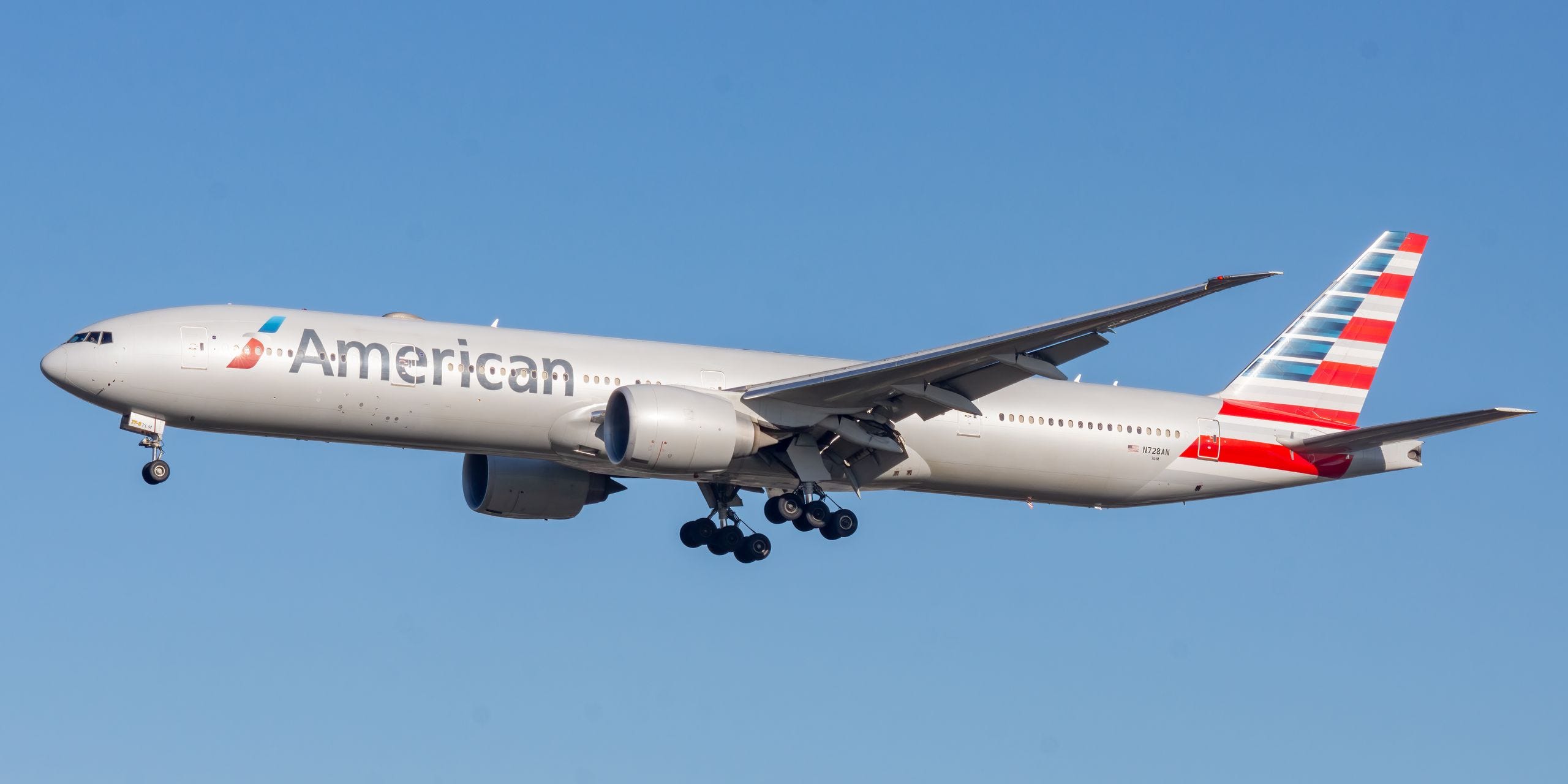
SCOTT KIRBY'S CAREER PATH:
- President, US Airways: 2006 to 2013
- President, American Airlines: 2013 to 2016 (left without CEO promotion)
- President, United Airlines: 2016 to 2020
- CEO, United Airlines: 2020 to present
Since taking over at United, Kirby has consistently positioned his airline as the premium product leader among U.S. carriers.
He has frequently criticized American for being “too late and too slow” in adding premium products, an area where both United and Delta Air Lines have capitalized heavily.
The two carriers have also waged an intense battle at Chicago’s O’Hare International Airport, where both airlines operate massive hub operations and have fought aggressively over gate access and market share.