

After years of recovery from pandemic-era disruptions, the aviation sector now faces a complex operational environment characterized by surging passenger demand, persistent supply chain constraints, technological revolution, and an urgent push toward sustainability.
For aviation industry professionals, understanding these dynamics has become essential for strategic planning and operational success.
Table of Contents
Demand Recovery and Traffic Patterns
The aviation industry continues to demonstrate remarkable resilience, with passenger demand showing sustained growth throughout 2025. According to IATA’s October 2025 data, global passenger demand growth accelerated to 6.6% year-over-year, despite severe supply chain constraints that continue to challenge the industry.
This growth trajectory reflects the enduring appetite for air travel as international connectivity resumes and emerging markets expand their aviation footprints.
Global airline seat capacity for 2026 is projected to increase by approximately 3-4% compared to 2025, according to Cirium’s analysis. However, this growth remains constrained by aircraft delivery delays and aging fleet challenges. T
he outlook for passenger demand in 2026 remains robust, supported by continued recovery in international travel, easing supply constraints, and sustained growth in emerging markets.
2025 PASSENGER TRAFFIC STATISTICS

Total Global Passengers: 9.8 billion (projected)
Year-over-Year Growth: 3.7% from 2024
International Traffic Growth: 5.3% (2025)
Domestic Traffic Growth: 2.4% (2025)
Load Factor Achievement: 83.5% (2024 record)
The demand surge, however, has created an uncomfortable reality for airlines. In 2024, passenger demand rose 10.4%, exceeding capacity expansion of 8.7%, pushing load factors to a record 83.5%.
Airlines are being forced to maximize load factors and fleet utilization to maintain growth trajectories, operating with minimal slack in their systems. This capacity-demand imbalance will likely persist through 2026 as production ramp-ups face ongoing challenges.
Supply Chain Crisis
Perhaps no issue looms larger over the aviation industry than the persistent supply chain crisis that continues to disrupt operations across all segments. The International Air Transport Association, in collaboration with Oliver Wyman, released a comprehensive study quantifying the financial impact of supply chain challenges at more than $11 billion for airlines in 2025 alone.
This staggering cost breaks down across four primary categories:
Cost Category | Amount (USD) | Primary Driver |
|---|---|---|
Excess Fuel Costs | $4.2 billion | Operating older, less efficient aircraft due to delivery delays |
Additional Maintenance | $3.1 billion | Aging global fleet requiring more frequent and expensive servicing |
Increased Engine Leasing | $2.6 billion | Extended engine maintenance times and 20-30% higher lease rates since 2019 |
Surplus Inventory Holding | $1.4 billion | Stockpiling spare parts to mitigate unpredictable disruptions |
The worldwide commercial aircraft backlog reached a historic high of more than 17,000 aircraft in 2024, significantly higher than the 2010-2019 average of around 13,000 aircraft per year.
This unprecedented backlog reflects both the robust demand for new, fuel-efficient aircraft and the industry’s inability to produce at required rates.
Supply chain fragility impacts more than just costs. It fundamentally undermines delivery credibility and forces airlines into difficult operational compromises. The strain is expected to intensify as defense contractors aim to increase output and aircraft manufacturers push ambitious production rate increases, stressing every tier of the supplier base.
The supply chain challenges stem from multiple interconnected factors: raw material shortages, skilled labor scarcity, geopolitical disruptions, and the lingering effects of pandemic-era production slowdowns.
Companies pursuing supply chain resilience are deploying various strategies, including vertical integration, expanded local footprints, multicountry manufacturing, long-dated supply contracts, and enhanced supplier development programs.
Aircraft Manufacturing
The duopoly of Airbus and Boeing continues to dominate commercial aircraft manufacturing, but both face significant production challenges heading into 2026. As of November 2025, Airbus and Boeing combined backlogs represent over a decade of work at current production rates.
MANUFACTURER BACKLOG ANALYSIS (as of November 2025)

Airbus:
- Total Backlog: 8,665 commercial aircraft
- Production Timeline: 10.6 years at current rates
- YTD Deliveries (Oct 2025): 585 aircraft
- 2025 Target Revised: 790 aircraft (down from 820)

Boeing:
- Total Backlog: 6,534 commercial aircraft
- Production Timeline: 11.1 years at current rates
- YTD Deliveries (Oct 2025): 493 aircraft
- Primary Backlog: 4,777 narrowbody aircraft (mainly 737 family)
Airbus recently revised its 2025 delivery target to 790 commercial aircraft from 820 due to supplier quality issues affecting A320 jet panels. This adjustment highlights the persistent vulnerability of even the most established manufacturers to supply chain disruptions.


Aviation Week predicts a slower production ramp-up than initially anticipated. While demand for air travel remains strong and will drive fleet growth over the next decade, the industry’s ability to deliver remains constrained. The forecast suggests that production bottlenecks will persist through 2026, limiting airlines’ capacity to retire aging aircraft and expand their fleets at desired rates.
The aging of the global commercial fleet represents a significant consequence of these delivery delays. The average age of the global passenger fleet rose from 9.7 years in 2018 to 11.3 years in 2024, according to ING. This aging trend increases maintenance requirements, fuel consumption, and operational costs while reducing reliability.
Aftermarket and MRO Services
While new aircraft production struggles, the aftermarket services segment continues to demonstrate remarkable resilience and growth potential. Aviation Week projects that global commercial aftermarket MRO demand will grow at a 3.2% compound annual growth rate between 2026 and 2035, with an increasing focus on engine maintenance.
The engine segment’s share of total MRO demand is expected to rise to 53%, reflecting its faster growth compared to other MRO categories. This shift stems from the aging fleet requiring more intensive maintenance cycles and the increasing complexity of modern turbofan engines.
MRO Segment | Growth Driver | 2026 Outlook |
|---|---|---|
Engine MRO | Aging fleet, extended service intervals | 53% of total market share; dominant driver |
Airframe MRO | Fleet age increase, corrosion management | Steady growth; capacity expansion in emerging hubs |
Component MRO | Technology upgrades, predictive maintenance | AI-enabled diagnostics acceleration |
Line Maintenance | Flight hour growth, quick-turn requirements | Regional capacity development |
Aftermarket companies report robust momentum, citing double-digit growth and record sales backlogs, with engine activity serving as the dominant driver. Many firms are piloting AI-enabled inspection systems to accelerate turnaround times and improve accuracy, reflecting a broader industry push to embed digital tools in aftermarket processes.
Regional markets, particularly in the Middle East, are rapidly scaling MRO networks. Emerging players are investing heavily in facilities and capabilities to reduce reliance on concentrated hubs, aligning capacity closer to where fleets operate.
Some traditional original equipment manufacturers are expanding service capabilities to capture higher-margin aftermarket revenues, with several firms announcing ambitious capacity increases targeting 40-50% expansions over the next five years.
Sustainability Imperatives
Environmental sustainability has evolved from a peripheral concern to a central strategic imperative for the aviation industry. Sustainable Aviation Fuel stands at the forefront of decarbonization efforts, with adoption accelerating across multiple regions as regulatory frameworks take effect.
For example, Singapore has established a 1% SAF uplift target for 2026, with plans to raise this to 3-5% by 2030. The country will implement a SAF levy starting April 1, 2026, for flights departing from October 2026 onward. This mandate will be supported by a centralized SAF procurement system to facilitate compliance and cost management.
The European Union’s RefuelEU Aviation initiative requires airlines operating within Europe to use a 2% SAF blend in 2025, ramping up to a 70% blend by 2050, including a sub-mandate for synthetic e-fuels at lower levels.
By 2026, all free allowances under the EU Emissions Trading System will be phased out, requiring operators to fully cover their emissions through auctioning.
GLOBAL SAF ADOPTION TARGETS

Singapore:
- 2026: 1% SAF mandate
- 2030: 3-5% target
- Implementation: Centralized procurement system

European Union (RefuelEU Aviation):
- 2025: 2% SAF blend requirement
- 2030: 6% target
- 2050: 70% blend (including e-fuels sub-mandate)
- 2026: Full ETS coverage (no free allowances)

United States:
- Market Growth: $860 million (2024) to ~$7 billion (2030)
- Policy Support: SAF Grand Challenge, tax incentives
- Production Focus: Multiple pathway development
The U.S. SAF market is expected to grow more than seven-fold, from approximately $860 million in 2024 to nearly $7 billion by 2030. This explosive growth reflects both policy support and increasing corporate commitments to emissions reduction.
IATA has released a study confirming that sufficient SAF feedstock is available for airlines to achieve net zero CO2 emissions by 2050, using only sources that do not compete with food production or contribute to deforestation. The organization’s analysis addresses a critical concern about SAF scalability and feedstock sustainability.
However, significant challenges remain. SAF currently costs 2-4 times more than conventional jet fuel, creating economic barriers to widespread adoption. Production capacity, while growing, remains insufficient to meet mandated targets.
Airlines and fuel producers are working to develop diverse production pathways, including power-to-liquid technologies, advanced biofuels from waste feedstocks, and innovative conversion processes that can achieve commercial scale.
Workforce Transformation: Addressing Critical Talent Shortages
The aviation industry faces a multifaceted workforce crisis that will reach critical intensity in 2026. Pilot shortages, maintenance technician gaps, and the need for AI-capable talent are converging to create unprecedented human capital challenges.
The U.S. pilot shortage is expected to reach its most critical level in 2026, with a workforce gap of 24,000 pilots. This represents the peak shortage before training capacity increases begin to narrow the gap gradually. Over the next 20 years, North American airlines will need 120,000 new pilots total to replace retiring personnel and support fleet growth.
CAE’s 2025 Aviation Talent Forecast reveals that the aviation industry will require 1,465,000 new professionals over the next decade due to fleet expansion, rising travel demand, and high retirement rates. This encompasses pilots, maintenance technicians, air traffic controllers, and various operational roles.
Professional Category | 10-Year Requirement | Primary Drivers |
|---|---|---|
Commercial Pilots | 252,000 | Retirements, fleet expansion, Asia-Pacific growth |
Maintenance Technicians | 626,000 | Aging fleet, technology complexity, retirement wave |
Cabin Crew | 387,000 | Passenger growth, service quality enhancement |
Air Traffic Controllers | 37,000 | System modernization, traffic volume increase |
AI/Data Specialists | 163,000+ | Digital transformation, predictive maintenance |
The demographic wave of mandatory retirements will peak around 2028, when nearly 14,000 pilots are expected to turn 65 and exit the workforce. This creates an urgent imperative for accelerated training pipelines and retention strategies.
To address pilot shortages, airlines are offering substantial pay raises and signing bonuses. Several carriers have implemented ab initio training programs, taking candidates with no flying experience through comprehensive training pathways. Regional carriers, historically the training ground for major airline pilots, face particular challenges as mainline carriers recruit directly from their ranks.
The maintenance technician shortage presents equally serious challenges. Modern aircraft incorporate increasingly complex systems requiring specialized knowledge, yet training programs struggle to keep pace with technological advancement. The industry is exploring virtual reality training systems, apprenticeship expansions, and partnerships with educational institutions to develop talent pipelines.
Beyond traditional aviation roles, the industry requires a new generation of AI-capable professionals. According to Deloitte’s workforce analysis, data science, data engineering, AI, data analysis, machine learning, and statistical analysis represent the fastest-growing skill requirements between 2024 and 2028. The percentage of industry job postings requiring data analysis skills is projected to increase from 9% in 2025 to nearly 14% by 2028.
Digital Transformation and AI Integration
Artificial intelligence and digital transformation are reshaping aviation operations across multiple dimensions, from maintenance to customer service to flight operations.
By 2026, agentic AI is expected to progress from pilot projects to scaled deployments, with the most visible advances occurring in decision-making, procurement, planning, logistics, maintenance, and administrative functions.

Image source: antino.com
Commercial aviation is leveraging AI for flight scheduling, crew management, and passenger experience enhancement. Riyadh Air recently announced a partnership with IBM to launch as the world’s first AI-native airline, integrating artificial intelligence into every aspect of operations from booking through post-flight services.

Airlines are deploying AI-powered revenue management systems that dynamically optimize pricing based on real-time demand signals, competitive intelligence, and historical patterns. These systems can process vastly more data points than traditional revenue management approaches, potentially improving revenue per available seat mile by 3-7%.
Predictive maintenance represents one of the most mature AI applications in aviation. Airlines are using machine learning algorithms to analyze sensor data from aircraft systems, predicting component failures before they occur. This enables proactive maintenance scheduling, reduces unexpected mechanical delays, and optimizes parts inventory. Some carriers report 15-25% reductions in unscheduled maintenance events through predictive analytics implementation.
Air traffic management is incorporating AI to optimize routing, reduce fuel consumption, and improve on-time performance. The U.S. Air Force recently completed the Decision Advantage Sprint experiments, demonstrating how AI can help operators make faster, more informed decisions in complex operational environments. These capabilities are being adapted for commercial aviation applications.
The European Union Aviation Safety Agency opened its first AI consultation in November 2025, seeking to establish frameworks for AI-based assistance and AI-human teaming in aviation. This regulatory development recognizes that certification standards must evolve to accommodate AI technologies while maintaining rigorous safety requirements.
However, AI adoption faces significant hurdles. Regulatory ambiguity and certification requirements continue to slow broader implementation, particularly for mission-critical applications. The aviation industry’s stringent safety requirements, reliance on legacy systems, and high cost associated with potential failures create a complex environment for AI deployment.
Investment prospects remain strong. According to International Data Corporation forecasts, U.S. aerospace and defense spending on AI and generative AI is expected to reach $5.8 billion by 2029, representing 3.5 times the 2025 level.
Cybersecurity Threats
Aviation has become an increasingly attractive target for cybercriminals, with attacks rising dramatically across the sector.
Global data reveals that cyberattacks increased by 131% between 2022 and 2023 across the aviation industry, with a 74% increase since 2020. This acceleration reflects both the sector’s growing digital footprint and its strategic importance.
In 2025, cybersecurity has emerged as the top risk for the global aviation sector, surpassing even operational disruptions in executive risk assessments. The sector’s migration toward digital operations, while necessary for efficiency, has expanded the attack surface substantially.
AVIATION CYBERSECURITY THREAT LANDSCAPE (2025)

Primary Attack Vectors:
- Credential Theft: 71% of attacks focus on stealing login details
- Unauthorized IT Access: 71% target infrastructure penetration
- DDoS Attacks: 25% of total incidents
- Ransomware: 600% increase year-over-year

Critical Vulnerabilities:
- Legacy systems with outdated security protocols
- Third-party vendor dependencies
- Supply chain digital integration points
- Passenger data management systems
- Flight planning and navigation software
A 2025 ransomware attack on a third-party boarding system provider disrupted major European airports including Heathrow, Brussels, Berlin, and Dublin, leaving tens of thousands of passengers stranded. The European Union Agency for Cybersecurity confirmed the incident, which forced airport staff to resort to handwritten boarding passes. This event demonstrated the vulnerability of shared aviation infrastructure.
WestJet and Qantas both experienced significant cyber incidents in 2025, highlighting that even major carriers with substantial security investments remain vulnerable. These attacks targeted customer data, operational systems, and loyalty programs, causing operational disruptions and reputational damage.
The aviation industry faces unique cybersecurity challenges. Aircraft themselves increasingly rely on software-driven systems, creating potential attack vectors that did not exist in previous generations of aircraft. Air traffic control systems, while generally well-protected, represent high-value targets whose compromise could have catastrophic consequences.
Airlines are responding by increasing cybersecurity budgets, implementing zero-trust architectures, conducting regular penetration testing, and developing incident response capabilities. However, the pace of threat evolution often outstrips defensive capability development. The International Civil Aviation Organization has established global cybersecurity frameworks, but implementation varies significantly across regions and carriers.
Urban Air Mobility and Electric Aircraft
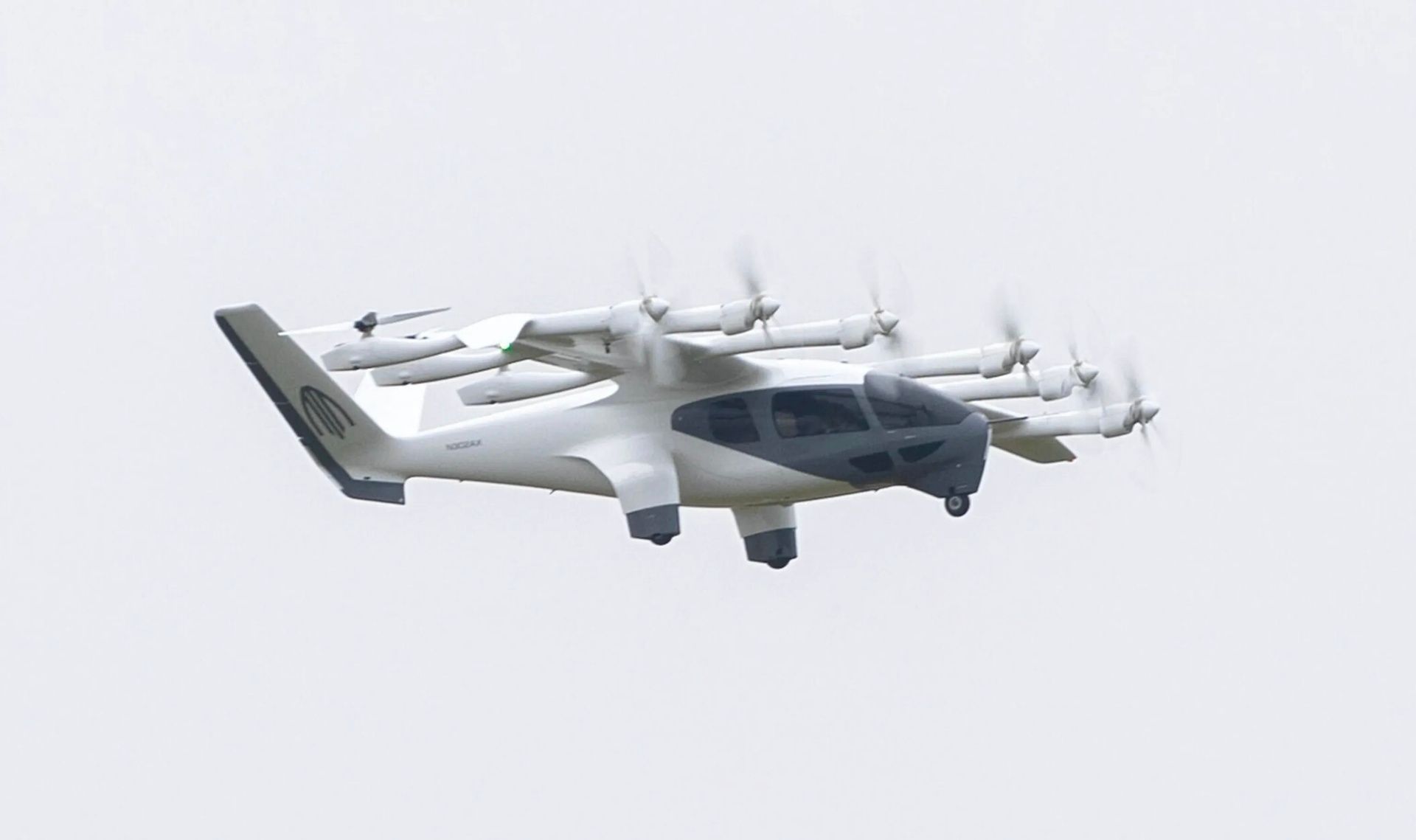
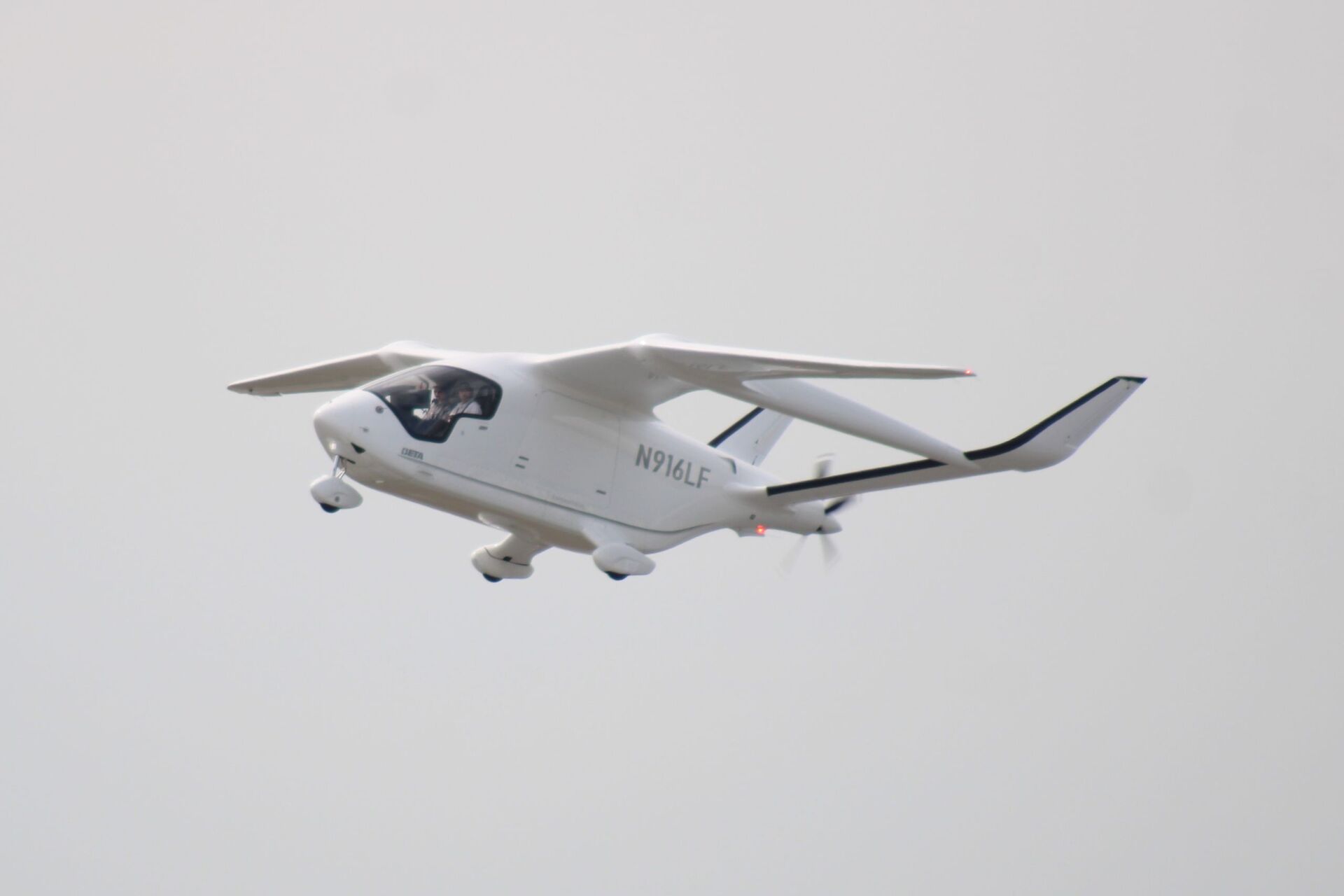
While still in developmental stages, urban air mobility and electric aircraft represent potentially transformative technologies for the aviation ecosystem beyond 2026. Electric vertical takeoff and landing aircraft development has accelerated, with multiple companies advancing toward certification and commercial operations.
Eve Air Mobility is preparing for 2026 prototype flights of its full-sized electric air taxi, advancing toward flight testing while other competitors have paused development. The company has secured orders for 200 eVTOL aircraft from Halo, with deliveries expected to begin in 2026.
Volocopter announced plans to launch Europe’s first eVTOL sandbox in 2026, advancing readiness for VoloCity and VoloXPro air taxi and emergency medical service operations. This regulatory sandbox approach allows for controlled operational testing while developing certification frameworks.
However, the path to commercial viability remains challenging. Battery technology limitations constrain range and payload capacity. Regulatory certification processes for these novel aircraft configurations are still being developed. Infrastructure requirements, including vertiports and charging systems, need substantial investment. Public acceptance and noise concerns require careful management.
Electric propulsion for conventional aircraft faces even greater technical hurdles. While regional electric aircraft for short-haul routes may become viable within the next decade, battery energy density remains insufficient for longer-range commercial aviation. Hybrid-electric architectures offer a potential interim solution, combining conventional turbine propulsion with electric motors for specific flight phases.
Aviation startup Elysian has created the E9X, a plane powered 100% by electric battery that can hold 90 people and travel up to 500 miles. Elysian expects these planes to be in service by 2033, representing the longer-term timeline for battery-electric commercial aviation.
Regional Market Dynamics
Global aviation growth is increasingly concentrated in specific regional markets, with emerging economies driving much of the expansion. The Middle East and North Africa region remains one of the fastest-growing markets globally, according to IATA’s 2026 event planning, which reflects where industry attention and investment are focused.


Asia-Pacific continues to represent the most significant long-term growth opportunity. Rising middle-class populations, increasing business connectivity, and government infrastructure investments are driving aviation expansion across the region. However, this growth faces constraints from aircraft availability, pilot shortages, and airport capacity limitations.
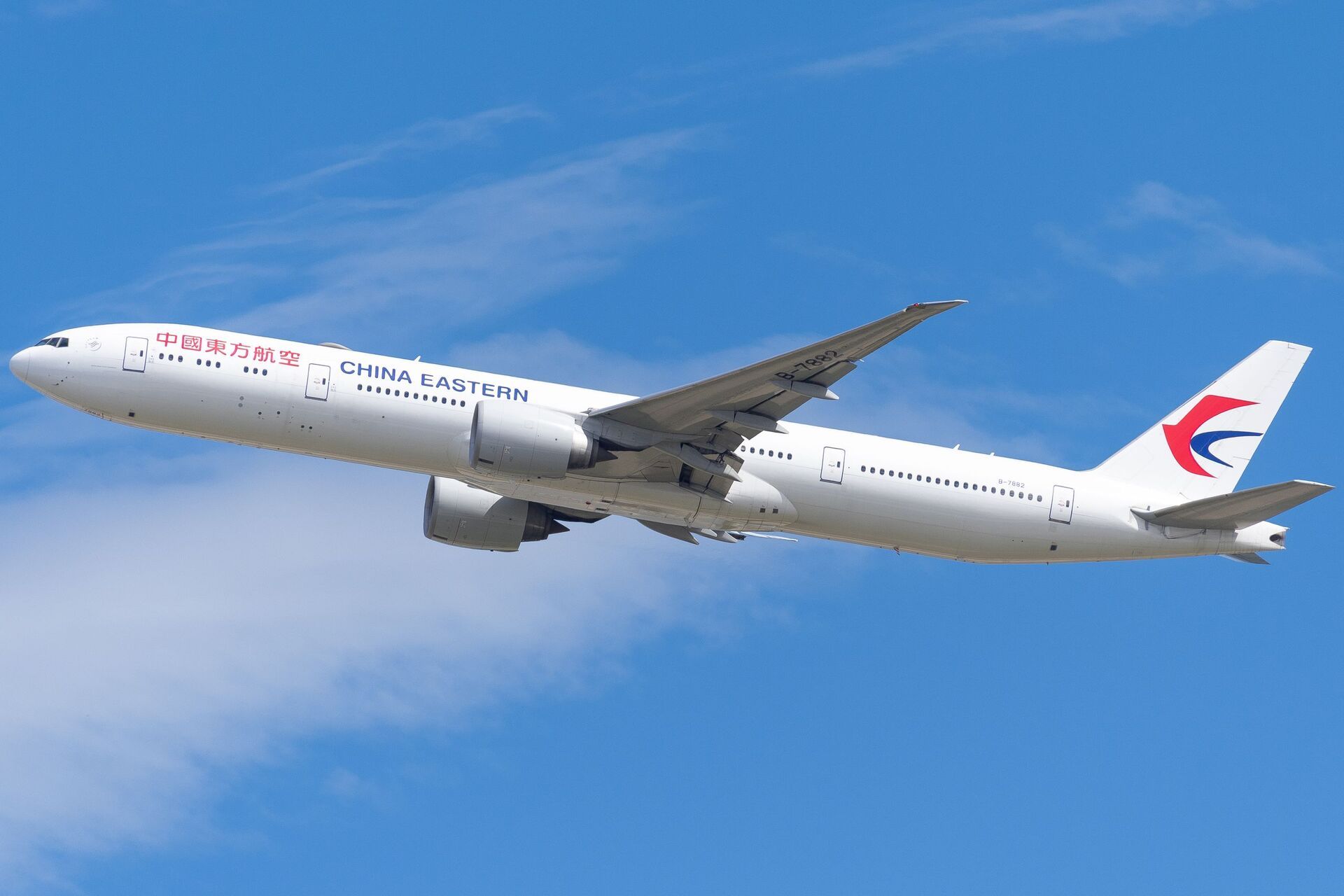
China’s domestic aviation market, while temporarily affected by economic headwinds, represents enormous long-term potential. The country’s aviation authorities are balancing rapid growth ambitions with safety oversight and capacity development. Chinese carriers are receiving significant numbers of new aircraft deliveries, with both Airbus and Boeing maintaining substantial order books from Chinese customers.
India has emerged as a high-growth aviation market, with multiple carriers announcing ambitious fleet expansion plans. The country’s aviation passenger traffic has recovered strongly from pandemic levels and is projected to grow substantially through 2030. However, infrastructure development struggles to keep pace with demand growth, creating airport congestion challenges.

Latin America and Africa represent underpenetrated markets with significant growth potential. These regions face challenges including economic volatility, currency fluctuations, and limited aviation infrastructure, but also offer opportunities for carriers willing to invest in market development.
North America and Europe, while mature markets, continue to see steady growth driven primarily by international connectivity and leisure travel recovery. These markets are characterized by intense competition, focus on premium product offerings, and ongoing consolidation dynamics.
Geopolitical Factors and Route Network Implications
Geopolitical tensions continue to reshape aviation route networks and operational strategies. The ongoing conflict in Ukraine has permanently altered European aviation routings, with Russian airspace remaining closed to most Western carriers. This has lengthened flight times between Europe and Asia, increased fuel consumption, and reduced the competitive viability of certain routes.
Middle East tensions affect routing through the region, with carriers periodically adjusting operations based on security assessments. The strategic importance of Middle Eastern hubs for connecting traffic makes this region particularly sensitive to geopolitical disruptions.
U.S.-China relations influence aviation policy, including bilateral agreements, traffic rights, and aircraft orders. Changes in political relationships can have immediate effects on airline planning and aircraft manufacturer strategies.
Trade policies and tariffs affect aircraft manufacturing costs and competitiveness. Potential changes in U.S. trade policy could impact the economics of international aircraft production and supply chains. The Aerospace and Defense industry is particularly sensitive to these dynamics given the global nature of component sourcing.
Financial Performance and Industry Profitability
IATA’s June 2025 forecast projects industry net profit of $36.0 billion at a 3.7% net profit margin for 2025. While this performance ranks among the best in aviation industry history, the margin remains modest compared to other industries, reflecting aviation’s capital-intensive nature and competitive dynamics.
Airlines continue to face significant cost pressures across multiple dimensions. Fuel costs, while moderating from 2024 peaks, remain elevated. Labor costs are rising as carriers compete for talent in tight labor markets. Airport fees and air traffic control charges continue upward trajectories. The $11 billion impact of supply chain disruptions represents an additional unplanned cost burden.
Revenue management has become increasingly sophisticated, with airlines using dynamic pricing algorithms to optimize yield. Ancillary revenue streams including baggage fees, seat selection, premium economy products, and loyalty program monetization have grown to represent 15-20% of total airline revenue.
Cargo operations provided critical revenue support during the pandemic and continue to contribute meaningfully to carrier profitability, though freight rates have normalized from extraordinary 2021-2022 levels. Belly cargo on passenger flights represents an important incremental revenue source.
Low-cost carriers continue to gain market share in both short-haul and increasingly medium-haul markets. Their structural cost advantages allow competitive pricing while maintaining profitability. However, some low-cost carriers are encountering challenges as they grow larger and more complex, facing cost creep that narrows the advantage over network carriers.
Regulatory Environment and Policy Developments
The regulatory environment for aviation continues to evolve, with authorities balancing safety imperatives, environmental objectives, and industry competitiveness. The Federal Aviation Administration released its Roadmap for Artificial Intelligence Safety Assurance in 2024, establishing frameworks for conducting focused research to develop and evaluate methods for assuring the safety of AI systems in aviation.
Sustainability regulations are proliferating globally, with different approaches creating compliance complexity for international carriers. The EU’s Emissions Trading System, RefuelEU Aviation mandate, and various national SAF requirements each impose different obligations. Airlines operating globally must navigate this patchwork of environmental regulations while managing costs and maintaining competitiveness.
Slot allocation policies at congested airports affect carrier growth strategies and competitive dynamics. The return to use-it-or-lose-it slot rules post-pandemic has forced carriers to operate flights even when economically marginal to retain valuable slots.
Safety oversight continues to intensify following high-profile incidents. Regulatory authorities are increasing scrutiny of manufacturing quality control, airline maintenance programs, and pilot training standards. This heightened oversight, while necessary for safety, adds compliance costs and operational complexity.
Strategic Imperatives for Aviation Industry Stakeholders
As the aviation industry navigates toward 2026 and beyond, several strategic imperatives emerge for airlines, manufacturers, suppliers, and service providers:
For Airlines:
Build supply chain resilience through diverse sourcing, strategic inventory management, and close supplier partnerships.
Invest in digital transformation and AI capabilities to drive operational efficiency and customer experience enhancement.
Accelerate sustainability initiatives to meet regulatory requirements and corporate commitments.
Address workforce shortages through competitive compensation, training program development, and retention strategies.
Strengthen cybersecurity defenses through technology investments and organizational capability development.
For Aircraft Manufacturers:
Resolve production bottlenecks through supplier development, quality management, and process optimization.
Accelerate new technology aircraft development to meet efficiency and environmental requirements.
Enhance supply chain visibility and resilience through digital integration and diversification.
Balance short-term delivery commitments with long-term technology investments.
Develop certification pathways for AI-enabled systems and advanced technologies.
For MRO Service Providers:
Expand capacity strategically in high-growth regions and underserved markets.
Invest in AI-enabled diagnostic tools and predictive maintenance capabilities.
Develop talent pipelines through training programs and partnerships with educational institutions.
Pursue OEM approvals and capability certifications to expand service offerings.
Build digital platforms that enable data sharing and analytics-driven service delivery.
For Technology Providers:
Develop aviation-specific AI solutions that address industry pain points while meeting safety and certification requirements.
Create integrated digital platforms that connect disparate systems and enable data-driven decision making.
Build cybersecurity solutions tailored to aviation’s unique threat environment and regulatory constraints.
Pursue partnerships with industry players to understand operational requirements and accelerate adoption.
Outlook Beyond 2026: Long-Term Trajectories
While 2026 presents immediate challenges and opportunities, longer-term trajectories will fundamentally shape aviation’s future. Climate change mitigation will drive continued focus on efficiency improvements, alternative fuels, and potentially revolutionary propulsion technologies. Hydrogen-powered aircraft, while not commercial viable in the 2026 timeframe, represent a potential pathway for zero-emission aviation by the 2040s.
Autonomous systems will gradually increase their role in aviation, beginning with ground operations and cargo applications before potentially extending to passenger flights. Regulatory frameworks for reduced-crew or single-pilot operations are being explored, though implementation timelines remain uncertain.
Space-based aviation, including point-to-point suborbital travel, remains a longer-term possibility that could transform ultra-long-haul connectivity. Several companies continue development programs, though technical, regulatory, and economic challenges suggest commercial viability remains decades away.
Aviation’s role in global connectivity will remain essential, supporting economic development, cultural exchange, and human mobility. The industry’s ability to adapt to environmental constraints while meeting growing demand will determine its long-term sustainability and social license to operate.
My Final Thoughts
The global aviation industry entering 2026 faces a uniquely complex operating environment. Surging passenger demand meets constrained aircraft supply. Sustainability imperatives require substantial investment amid cost pressures. Technological transformation demands new capabilities while legacy systems require continued support. Workforce shortages threaten operational capacity just as traffic volumes recover.
Yet within these challenges lie significant opportunities. The aftermarket services segment offers stable, high-margin growth. Digital transformation can unlock substantial efficiency gains. Emerging markets present vast expansion potential. Sustainability leadership can differentiate competitors and build stakeholder confidence.
Success will require strategic clarity, operational excellence, financial discipline, and collaborative approaches to industry-wide challenges. Airlines, manufacturers, suppliers, and service providers must work collectively to address supply chain fragility, develop workforce pipelines, establish sustainability pathways, and build resilient operations.
The 2026 outlook presents challenges more complex than simple recovery trajectories, demanding sophisticated strategies that balance short-term operational imperatives with long-term structural positioning.
The aviation industry has repeatedly demonstrated resilience through crises, adaptability through disruptions, and innovation through challenges.
As 2026 approaches, that history provides confidence that the industry will navigate current complexities while building the foundation for sustainable long-term growth.
The strategic choices made now will shape aviation’s trajectory for decades to come.