
Turkey’s low-cost aviation champion is rewriting the rules of European air travel. As the airline industry enters 2026, Pegasus Airlines is balancing aggressive expansion plans with operational excellence while maintaining one of Europe’s youngest fleets.
For airline industry professionals, understanding Pegasus’s trajectory offers valuable insights into the shifting dynamics of low-cost carrier operations across Europe and beyond.
Table of Contents

2025 Operational Performance: Record Volumes Meet Challenging Markets
Pegasus delivered substantial capacity expansion throughout 2025, though revenue growth lagged behind operational metrics due to persistent macroeconomic headwinds.
The carrier’s third-quarter performance illustrates this divergence: Available Seat Kilometers (ASK) surged 17% year-over-year to 22.2 billion, while revenues increased by a modest 1% to €1,103 million. This disparity reflects the challenging operational environment that characterized much of 2025.
Despite softer yields, operational metrics showed impressive strength. The airline carried 12.2 million passengers in Q3 2025, representing 16% growth compared to the previous year. Load factors reached 89.2%, the highest quarterly level since 2019, demonstrating robust demand stimulation despite pricing pressures. International operations, which constitute 84.1% of total ASK, grew 16% year-over-year with load factors climbing to 86.8%.
2025 Q3 Key Operational Metrics

Total Passengers:        12.2 million (+16% YoY)
International Passengers: 7.9 million (+16% YoY)
Load Factor:             89.2% (+0.1pp YoY)
International Load Factor: 86.8% (+0.2pp YoY)
ASK Growth:              +17% YoY
Fleet Average Age:       4.9 years
The financial picture presented more complexity. Revenue per Available Seat Kilometer (RASK) declined 14% to €4.97 in Q3, primarily due to targeted demand stimulation measures necessitated by macroeconomic and geopolitical challenges.
However, cost management partially offset revenue pressure, with Cost per Available Seat Kilometer (CASK) decreasing 4% to €3.72. The airline’s EBITDA margin stood at 35.9% for Q3, while nine-month profitability reached €287 million, down 8% year-over-year but maintaining solid profitability in difficult market conditions.
Fleet Modernization: Setting Industry Benchmarks
Pegasus’s fleet strategy represents one of the most aggressive modernization programs among European low-cost carriers. As of September 2025, the airline operated 130 aircraft with an average fleet age of just 4.9 years, earning recognition as having the world’s second-youngest aircraft fleet in 2025.


The carrier’s order book signals ambitious growth. With 42 A320neo aircraft already delivered and 108 A321neo units on order (65 delivered as of Q3 2025), Pegasus is systematically transitioning to larger, more efficient aircraft.
The fleet composition strategy focuses exclusively on new-generation aircraft: 88% of the current fleet consists of neo-family aircraft, with three older A320ceo units scheduled for phase-out by year-end 2025.
Fleet Category | Owned | Financial Lease | Operational Lease | Total |
|---|---|---|---|---|
Boeing 737-800 | 6 | 3 | 0 | 9 |
Airbus A320ceo | 9 | 0 | 9 | 18 |
Airbus A320neo | 0 | 29 | 17 | 46 |
Airbus A321neo | 0 | 65 | 1 | 66 |
Fleet Total | 6 | 97 | 27 | 130 |
This December, Pegasus finalized a landmark engine agreement with CFM International for up to 300 LEAP-1B engines to power its future Boeing 737-10 fleet.
This represents the airline’s largest aircraft order to date, following a December 2024 commitment for 200 Boeing 737-10 aircraft. The dual-manufacturer strategy contrasts with earlier single-fleet ambitions, reflecting pragmatic capacity planning as Airbus production slots remain constrained through the decade.

Image source: flypgs.com
The efficiency gains from fleet modernization have been substantial. Fuel consumption per ASK has declined progressively since the introduction of neo-family aircraft, contributing to both cost savings and emissions reductions. Average seat count is projected to increase from 191 at end-2021 to 228 by end-2029, driving unit cost advantages through higher aircraft density configurations.
Network Expansion: From Regional Player to Continental Force
Pegasus’s route network has expanded dramatically, growing from 60 destinations across 27 countries in 2012 to 156 destinations spanning 54 countries currently. The airline now operates from 38 domestic Turkish destinations to 118 international points, with Istanbul Sabiha Gökçen Airport serving as its primary hub.
The 2025 expansion cycle added substantial European capacity. New routes launched included connections from Istanbul Sabiha Gökçen to Graz, Bristol, Marsa Alam, Luxor, Bilbao, and Algiers, among others. The airline demonstrated particular aggression in European markets, with capacity growth of 17% outpacing most European competitors. From secondary Turkish cities, Pegasus expanded service from Ankara, Izmir, Antalya, and regional airports to major European hubs.
Perhaps most significant for 2026 and beyond is Pegasus’s strategic pivot toward intercontinental operations. In November 2025, company executives confirmed preparations for U.S. flights to Miami and New York, alongside planned service to Mexico and Colombia. This Americas expansion represents a fundamental shift in the airline’s operational scope, transitioning from a regional low-cost carrier to a genuine long-haul operator.
The December 2025 acquisition of Czech Airlines and Smartwings for €154 million ($179 million) marks another transformative development. Subject to regulatory approval expected in 2026, this transaction adds 47 aircraft and 80 destinations across 20 countries to Pegasus’s operational footprint. The acquisition provides immediate Central European market access and established brand recognition in key tourism markets, accelerating Pegasus’s European expansion timeline by several years.
Financial Architecture and Credit Position
Pegasus maintains a robust financial position despite challenging market conditions. As of September 2025, cash reserves stood at €1,549 million, with positive cash after deducting bank loans reaching €759 million. Net debt totaled €2,855 million, reflecting the capital-intensive nature of rapid fleet expansion.
The airline’s credit ratings have strengthened progressively. Fitch Ratings revised the outlook to Positive in June 2025 while affirming the BB- rating, citing improving financial metrics and successful capacity management. The upgrade reflects confidence in Pegasus’s ability to navigate market volatility while maintaining profitability.
Currency exposure management remains critical for the Turkish carrier. Revenues derive 47% from EUR, 34% from USD, and 17% from Turkish Lira, while costs show similar hard-currency weighting at 49% EUR, 29% USD, and 20% TRY (excluding depreciation). The airline employs comprehensive hedging strategies, maintaining fuel hedge ratios of 63% for 2025 and 57% for 2026, utilizing vanilla call options, zero-cost collars, and swaps.
Liquidity Position (September 2025)

Cash & Equivalents:           €1,549 million
Bank Loans & Debt:            €1,156 million
Leasing Liabilities:          €789 million
Positive Cash (after loans):  €759 million
Net Debt:                     €2,855 million

Debt Currency Mix:
- USD: 57%
- EUR: 18%
- TRY: 9%
- Other: 16%
Ancillary Revenue Strategy: Maximizing Non-Ticket Income
Ancillary revenue generation has become a cornerstone of Pegasus’s profitability model. In Q3 2025, ancillary revenue per passenger reached €29.7, with total ancillary revenues growing 14% year-over-year to €363 million. For the nine-month period, ancillary revenues surged 21% to €943 million, representing approximately 34% of total revenues.
This performance significantly exceeds industry averages for European low-cost carriers. The airline’s ancillary strategy encompasses baggage fees, seat selection, priority boarding, onboard sales, and travel insurance products. By 2025, ancillary revenue per passenger had increased from €11.6 in 2018 to €29.7, demonstrating consistent year-over-year growth in this high-margin revenue stream.
The ancillary focus aligns with broader industry trends toward unbundled pricing models. For 2026, management guidance projects continued low single-digit growth in ancillary revenue per passenger, suggesting maturation of existing revenue streams while new product development continues.
Sustainability Initiatives and Environmental Performance
Environmental performance has emerged as a strategic priority for Pegasus. The airline achieved 57.2 grams of CO2 per Revenue Passenger Kilometer in Q3 2025 year-to-date, progressing toward its 2030 target of 52.1 grams, representing a 20% reduction compared to 2019 baseline levels of 65.1 grams.
Fleet modernization drives much of this improvement. The transition to A321neo aircraft delivers approximately 20% fuel efficiency gains versus older-generation equipment, while higher seating density spreads emissions across more passengers. The airline has committed to achieving net-zero carbon emissions by 2050, with intermediate targets guiding near-term investment decisions.
Beyond operational emissions, Pegasus has implemented sustainability-linked financing structures. In September 2025, the carrier converted JOLCO aircraft financing transactions into sustainability-linked loans aligned with ICMA and LMA frameworks. This innovative financing approach ties borrowing costs to achievement of environmental targets, creating financial incentives for emissions reductions.
Recognition has followed implementation. At the Airline Economics Aviation 100 European & Sustainability Awards 2025, Pegasus won three awards: Sustainability Team of the Year, European Treasury Team of the Year, and Sustainability Aviation Financing Excellence Award. Additionally, the airline’s diversity and inclusion initiative received recognition at the Sustainable Business Awards 2025.
2026 Outlook and Management Guidance
Management guidance for 2026 reflects cautious optimism balanced with market realism. Following 14-16% capacity growth in 2025, the airline projects single-digit ASK expansion between 2026 and 2028. This moderation reflects aircraft delivery schedules, regulatory approval timelines for the Smartwings acquisition, and management’s focus on yield recovery over pure volume growth.
Key 2025 full-year projections provide context for 2026 planning. Management expects total ASK growth of 14-16%, RASK decline of 6-8%, CASK reduction of 1-3%, and EBITDA margin around 26%. Fuel CASK is projected to decrease by more than 10%, partially offsetting non-fuel cost increases of 3-5%. These metrics suggest continued cost discipline even as revenue per unit faces pressure.
Financial Metric | 2025 Guidance | Commentary |
|---|---|---|
Total ASK Growth | 14-16% | Outpacing market growth by 2x |
RASK Change | -6% to -8% | Demand stimulation measures impact |
CASK Change | -1% to -3% | Cost control offsetting pressures |
CASK Non-Fuel Change | +3% to +5% | Inflationary cost environment |
Fuel CASK Change | >-10% | Significant fuel efficiency gains |
EBITDA Margin | ~26% | Among best performers globally |
Ancillary/Pax Growth | Low single-digit | Maturation of existing programs |
For 2026 specifically, several factors will shape performance. First, the Boeing 737-10 deliveries beginning in 2028 mean 2026 capacity additions will derive primarily from remaining A321neo deliveries and higher aircraft utilization. Second, U.S. route launches require regulatory approvals and operational preparation, with meaningful revenue contribution unlikely before late 2026 or early 2027. Third, the Smartwings integration, pending regulatory clearance, adds complexity but also substantial revenue potential from Central European markets.
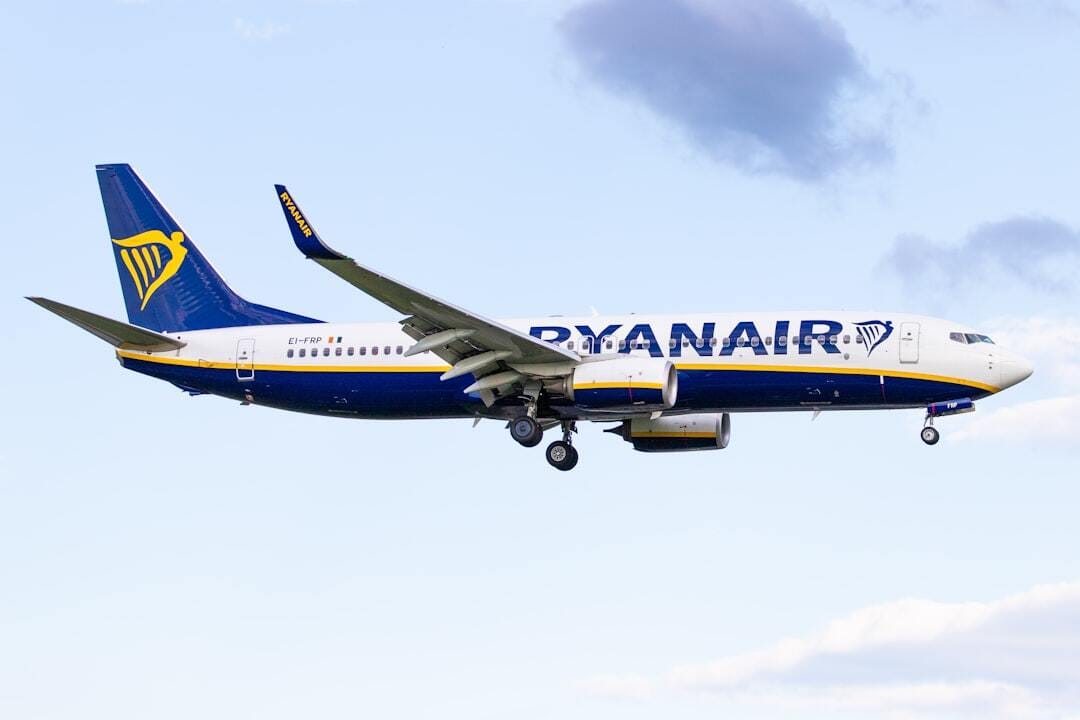
Competitive dynamics will intensify. Turkish Airlines continues domestic and international expansion, creating price competition on overlapping routes. European ultra-low-cost carriers, including Ryanair and Wizz Air, maintain aggressive pricing, particularly on Western European sectors. However, Pegasus’s geographic positioning and Turkish tourism demand provide structural advantages.

Strategic Challenges and Risk Factors
Several significant challenges confront Pegasus as it executes its 2026-2030 strategy. Geopolitical instability in the Middle East and Eastern Europe has impacted demand patterns, requiring rapid route adjustments and pricing flexibility. The ongoing conflict in Ukraine eliminated several Eastern European markets, while tensions in the broader region create uncertainty for tourism flows.
Aircraft delivery delays present operational constraints. While Pegasus has secured substantial order books with both Airbus and Boeing, industry-wide production bottlenecks mean delivery schedules remain subject to revision. Any delays in receiving A321neo or 737-10 aircraft could constrain capacity growth targets and competitive positioning.
The Smartwings acquisition introduces integration risks. Combining operations across different regulatory jurisdictions, fleet types, and corporate cultures requires careful management. Regulatory approval from Czech and European authorities may impose conditions affecting route networks or pricing strategies. Furthermore, Czech Airlines’ historical financial challenges necessitate operational turnaround efforts alongside integration.
Currency volatility remains an ever-present concern for Turkish-based carriers. While Pegasus maintains significant hard-currency revenues and employs hedging strategies, Turkish Lira depreciation affects cost structures and purchasing power for Turkey-sourced inputs. Exchange rate movements can rapidly alter unit economics even as operational performance remains stable.
Labor costs are rising across the aviation sector. Pilot and maintenance technician shortages affect the entire industry, driving compensation increases. As Pegasus expands internationally, competitive labor markets may require enhanced compensation packages, pressuring non-fuel CASK metrics.
Competitive Positioning and Market Differentiation
Pegasus occupies a distinctive position within European aviation markets. Unlike pure point-to-point low-cost carriers, the airline benefits from Istanbul’s geographic position connecting Europe, Middle East, Asia, and Africa. This hub advantage enables both origin-destination traffic and connecting flows, supporting higher load factors than pure point-to-point networks might achieve.
Cost structure advantages derive from multiple sources. Fleet standardization on Airbus neo-family aircraft (with Boeing 737-10s arriving later) minimizes training and maintenance complexity. The young fleet age reduces maintenance costs while maximizing dispatch reliability. Turkish labor costs remain below Western European levels, though this gap has narrowed as the airline internationalizes operations.
Against legacy carriers, Pegasus competes primarily on price while maintaining acceptable service standards. Against ultra-low-cost competitors like Ryanair, Pegasus positions as a value carrier rather than absolute lowest-price option, retaining some included services within base fares. This positioning targets leisure travelers willing to pay modest premiums for convenience and comfort over bare-bones service.
The U.S. expansion represents a strategic bet on premium demand segments. Transatlantic routes typically generate higher yields than intra-European operations, supporting the economics of wide-body or long-range narrowbody operations. Success depends on establishing brand recognition in North American markets where Pegasus currently has minimal presence.
My Final Thoughts
Pegasus Airlines enters 2026 at a pivotal moment. The combination of aggressive fleet expansion, geographic diversification through the Smartwings acquisition, and intercontinental route launches positions the carrier for transformative growth over the next few years. With one of Europe’s youngest and most efficient fleets, improving credit metrics, and proven management execution, the airline has built a foundation for sustained expansion.
However, challenges are substantial.
Market conditions remain unpredictable, competitive intensity continues increasing, and operational complexity multiplies with geographic expansion. Success in 2026 and beyond will require balancing growth ambitions with financial discipline, maintaining operational excellence during rapid expansion, and successfully integrating acquisitions while launching new long-haul operations.
The carrier’s journey from Turkish domestic operator to emerging European and intercontinental player demonstrates both the opportunities and complexities of aviation growth strategies in the 2020s.
As the industry watches Pegasus’s execution through 2026 and beyond, the airline’s performance will provide valuable insights into sustainable growth models for the next generation of low-cost carriers.
The coming years will determine whether Pegasus can successfully execute its ambitious vision of becoming a major European aviation group with genuine intercontinental reach, or whether complexity and competition constrain its aspirations.
Current indicators suggest management possesses both the strategic vision and operational capability to achieve transformative growth, making Pegasus Airlines a carrier worth watching closely as 2026 unfolds.