
Air China Limited is the flag carrier of China. With 2025 marking a pivotal year of recovery and strategic expansion, the airline faces both unprecedented opportunities and formidable challenges as it charts its course toward 2026 and beyond.
Table of Contents
Financial Performance and Operational Recovery
First Half 2025 Results
Air China’s financial trajectory through 2025 demonstrates a company in transition, working methodically to restore profitability following years of challenging operating conditions.
During the first half of 2025, the Group achieved operating revenue of RMB 80.757 billion, representing a modest yet meaningful year-on-year increase of 1.56%. This growth, while incremental, reflects the airline’s resilient demand base and operational stability.
The revenue composition reveals the backbone of Air China’s business model. Air passenger revenue reached RMB76.774 billion, climbing 0.40% year-on-year, while air cargo revenue demonstrated stronger momentum at RMB3.577 billion, up 7.48% compared to the previous year.
These figures underscore the airline’s diversified revenue streams and the growing importance of cargo operations to overall financial health.
Operating costs during this period totaled RMB85.070 billion, increasing 1.45% year-on-year. The controlled cost growth, slightly below revenue expansion, signals effective cost management strategies.
A notable bright spot emerged in fuel expenses, which declined 10.34% to RMB 24,327.5 million, providing significant operational relief and demonstrating the benefits of improved fuel efficiency initiatives.
The airline reported a net loss attributable to shareholders of RMB1.805 billion for the first half, yet this represented a loss reduction of RMB974 million compared to the previous year, illustrating steady progress toward profitability.
Third Quarter Performance and Nine-Month Trajectory
The third quarter of 2025 brought mixed signals for Air China’s recovery journey. The airline reported revenue of RMB49.07 billion, up a modest 0.9% from the same period in 2024.
While quarterly net profit experienced a decline to RMB4.14 billion, the year-to-date perspective painted a more encouraging picture.
For the first nine months of 2025, Air China achieved cumulative revenue of RMB129.826 billion, representing a 1.31% increase year-over-year. More significantly, net profit attributable to shareholders surged 37.31% year-to-date, with net profit after deducting non-recurring items jumping an impressive 279.95% year-on-year.
This substantial improvement reflects both operational efficiency gains and effective cost control measures implemented throughout the organization.
FINANCIAL SUMMARY - FIRST NINE MONTHS 2025

Total Revenue:              RMB 129.826 billion (+1.31% YoY)
Q3 Revenue:                 RMB 49.07 billion (+0.9% YoY)
YTD Net Profit Growth:      +37.31% YoY
Adjusted Net Profit Growth: +279.95% YoY
Passenger Revenue (H1):     RMB 76.774 billion (+0.40% YoY)
Cargo Revenue (H1):         RMB 3.577 billion (+7.48% YoY)
Fuel Cost Reduction (H1):   -10.34% YoY
The aviation industry exhibited characteristics of “overall stability, rapid international growth, strong freight resilience, and increased efficiency and benefits” during the first half of 2025.
The entire civil aviation industry achieved total transportation turnover of 78.35 billion ton-kilometers, passenger transport volume of 370 million person-times, and cargo and mail transport volume of 4.784 million tons, representing year-on-year increases of 11.4%, 6%, and 14.6% respectively.
Also read:

Operational Metrics and Capacity Management
Passenger Operations
Air China’s passenger operations during the first half of 2025 demonstrated measured growth aligned with demand recovery patterns.
The airline transported 77.11 million passengers, representing a year-on-year increase of 2.87%. Passenger transport capacity, measured in Available Seat Kilometers (ASK), reached 177.576 billion, up 3.37% year-on-year.
The geographic distribution of capacity growth reveals Air China’s strategic priorities. International routes experienced robust expansion with a 16.7% year-on-year increase in ASK, while domestic routes contracted slightly by 1.26% and regional routes decreased 0.70%.
This intentional rebalancing reflects the airline’s focus on higher-margin international operations and the normalization of domestic capacity following earlier pandemic-related oversupply.
Revenue Passenger Kilometers (RPK) totaled 143.337 billion, growing 5.23% year-on-year. The breakdown by market segment shows international routes surging 16.99%, domestic routes climbing 1.40%, and regional routes increasing 0.75%. The passenger load factor reached an impressive 80.72%, up 1.43 percentage points year-on-year, demonstrating effective capacity-demand matching.
However, passenger revenue per kilometer experienced pressure, declining 4.88% to RMB0.51. This metric reflects intensified competition and pricing pressures in certain markets, a challenge that management continues to address through product differentiation and network optimization.
Traffic Metric | First Half 2025 | YoY Change |
|---|---|---|
Passengers Carried | 77.11 million | +2.87% |
Available Seat Kilometers (ASK) | 177.576 billion | +3.37% |
- International | N/A | +16.7% |
- Domestic | N/A | -1.26% |
- Regional | N/A | -0.70% |
Revenue Passenger Kilometers (RPK) | 143.337 billion | +5.23% |
- International | N/A | +16.99% |
- Domestic | N/A | +1.40% |
- Regional | N/A | +0.75% |
Passenger Load Factor | 80.72% | +1.43 pts |
Revenue per RPK | RMB 0.51 | -4.88% |
Cargo Operations Excellence
Air China’s cargo division emerged as a standout performer during 2025, capitalizing on resilient freight demand and strategic fleet investments. The 7.48% year-on-year growth in cargo revenue during the first half exceeded passenger revenue growth significantly, underscoring cargo’s increasing strategic importance.
The airline operates a dedicated fleet of 23 freighter aircraft as of November 2025, all configured exclusively for cargo operations.
In a major strategic move, Air China Cargo announced plans to order up to 10 Airbus A350F freighters, consisting of six firm orders with options for four additional aircraft. Deliveries are scheduled for 2029-2031, with the order valued at approximately $4.65 billion pending shareholder approval.

The A350F represents a generational leap in freight efficiency. Powered by Rolls-Royce Trent XWB-97 engines, the aircraft delivers up to 40% lower fuel consumption and CO₂ emissions compared to previous generation freighters.
This acquisition aligns with forecasts projecting 41% growth in the global freighter market, positioning Air China Cargo to capture expanding demand while meeting increasingly stringent environmental standards.
Since June 2025, Air China Cargo has operated dedicated freighter services across North, East, South, and Southwest China, with global reach extending to key markets in Europe, North America, and Asia-Pacific.
Fleet Modernization and Expansion Strategy
Current Fleet Composition
As of June 30, 2025, Air China operated a total fleet of 934 aircraft with an average age of 10.28 years. The parent company specifically operated 510 aircraft with a younger average age of 9.92 years, reflecting ongoing fleet renewal efforts.
During the first half of 2025, the Group introduced nine aircraft: one A320 series, five B737 series, one C919, and two C909 aircraft.
Simultaneously, it retired five aircraft, including one A330 series, three A320 series, and one business jet. The parent company introduced eight aircraft while phasing out two, resulting in net fleet growth aligned with capacity expansion targets.
Domestic Aircraft Integration
Air China’s commitment to China’s aerospace industry represents a significant strategic dimension of its fleet planning.
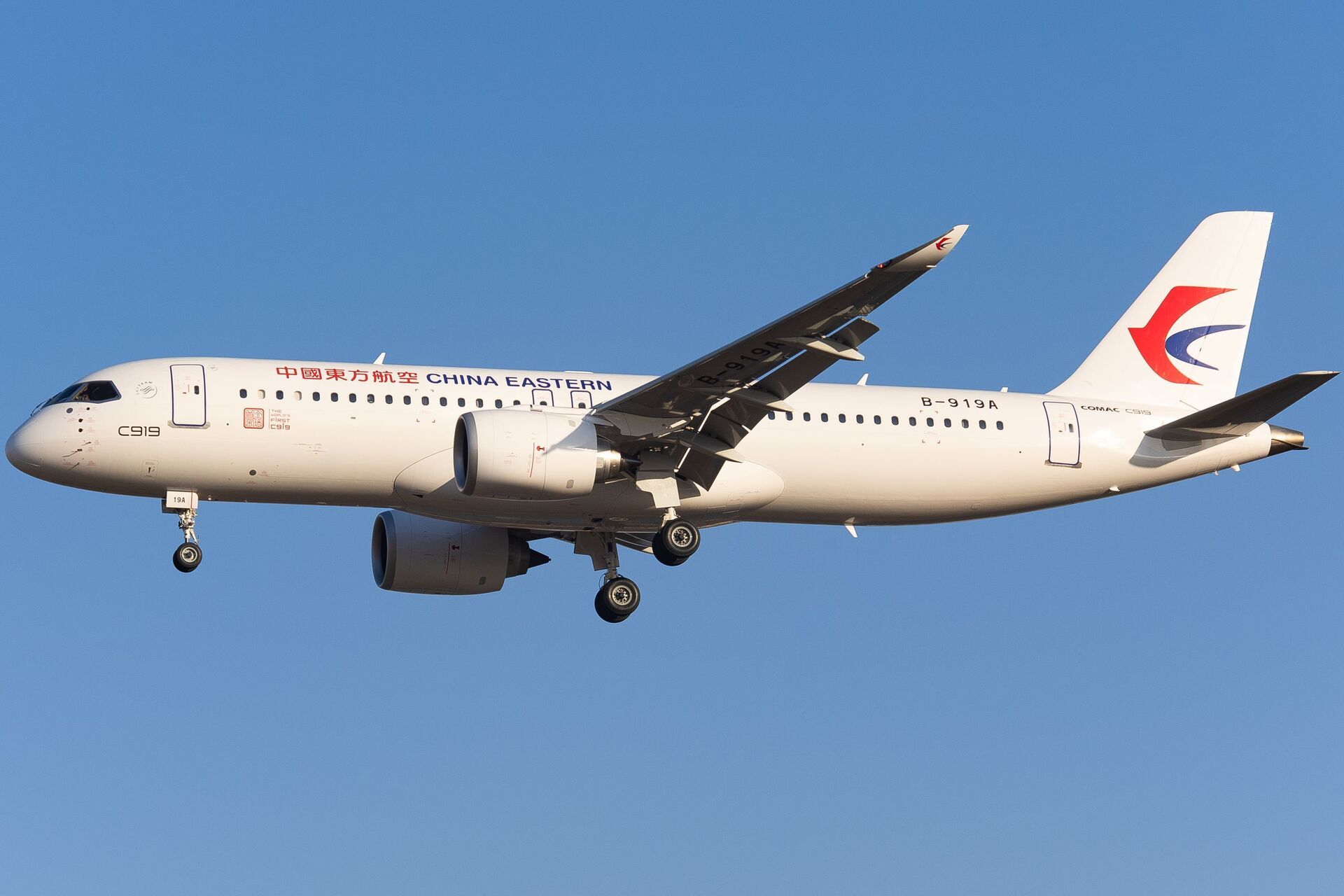
The airline has ordered 100 COMAC C919 aircraft, providing crucial support to China’s domestic aviation manufacturing sector. In August 2024, Air China received its first C919, configured as an extended-range version with 158 seats (eight business class and 150 economy class).
The C919 represents China’s ambitious effort to compete with Boeing’s 737 and Airbus’s A320 families in the narrowbody market. COMAC reports more than 1,000 total orders for the C919, with Air China’s order representing one of the largest commitments to the program.
However, the C919 program faces challenges. Delivery delays have emerged due to potential engine supply constraints, as the aircraft currently relies on CFM International LEAP-1C engines. Financial reports from China’s major airlines suggest deliveries could come later than initially scheduled, potentially caused by U.S. export controls affecting engine components.
Despite these headwinds, Air China remains committed to the C919 program. For 2025, COMAC plans to intensify efforts to scale production and expand the aircraft’s operational footprint, with the C919 recently completing its first commercial flight from Beijing to Hong Kong.
Also read:


Strategic Partnerships and Maintenance Excellence
In a significant operational development, Air China and Rolls-Royce launched a joint venture in Beijing in December 2025. The partnership aims to provide more reliable and efficient maintenance services for Air China’s fleet, particularly for aircraft powered by Rolls-Royce engines.
This collaboration supports both Air China’s operational reliability objectives and Rolls-Royce’s expanding presence in the Chinese MRO (Maintenance, Repair, and Overhaul) sector.
FLEET COMPOSITION - JUNE 30, 2025

Total Group Fleet:          934 aircraft
Average Fleet Age:          10.28 years
Parent Company Fleet:       510 aircraft
Parent Average Age:         9.92 years

H1 2025 Deliveries:
- A320 series:              1 aircraft
- B737 series:              5 aircraft
- C919:                     1 aircraft
- C909:                     2 aircraft

H1 2025 Retirements:
- A330 series:              1 aircraft
- A320 series:              3 aircraft
- Business jets:            1 aircraft
Network Development and Route Expansion
International Route Recovery and Growth
International route development stands as a cornerstone of Air China’s growth strategy for 2026 and beyond. The airline’s 2025-2026 winter-spring schedule encompasses 452 routes, including 127 international and regional services covering 46 countries and regions.
This extensive network reflects Air China’s position as China’s primary international carrier.
During July 2025, Air China added nine new routes, including international connections from Beijing Capital to Cairo, demonstrating continuous network optimization.
The airline has prioritized expansion along Belt and Road Initiative countries, leveraging diplomatic and economic relationships to secure valuable traffic rights.

Image source: brilliantmaps.com
Landmark Route Announcements for 2026
Two particularly significant route launches highlight Air China’s international ambitions for 2026:
Brussels Operations: From March 2026, Air China will operate direct flights from Brussels Airport to both Beijing and Chengdu. The Beijing route will launch on March 30, 2026, with four weekly flights, while the Chengdu-Tianfu route begins on March 26, 2026, with three weekly flights. These services will provide the first direct Air China connectivity between Belgium and China, opening new opportunities for business and leisure travel.
Argentina Service: Air China has announced plans to launch the first direct commercial flight route between China and Argentina in December 2025. This groundbreaking service will significantly reduce travel time between the two nations and support growing bilateral trade and tourism flows.
These long-haul routes demonstrate Air China’s strategy of connecting Beijing with global commercial centers and emerging markets, leveraging its widebody fleet to serve underserved long-haul markets.
Domestic and Regional Network Optimization
While international expansion dominates headlines, Air China continues refining its domestic network.
The airline has focused on developing domestic express routes to enhance competitive positioning against high-speed rail and low-cost carriers. This includes strengthening connections from Beijing to secondary cities and optimizing flight frequencies based on demand patterns.
During April 2025, Air China introduced five new domestic routes: Beijing to Altay, Beijing to Dalian-Suifenhe, Wenzhou to Nanchong, Chongqing to Golmud, and Chengdu to Jiuzhaigou. These routes serve growing secondary cities and tourist destinations, diversifying revenue sources beyond tier-one city pairs.
Regional routes, primarily serving Greater China markets including Hong Kong, Macau, and Taiwan, experienced modest adjustments as Air China balanced capacity with demand levels and competitive dynamics in these mature markets.
Hub Strategy and Airport Operations
Beijing Dual-Hub Configuration
Air China’s hub strategy centers on Beijing, where the airline leverages both Beijing Capital International Airport (PEK) and Beijing Daxing International Airport (PKX). This dual-hub configuration provides operational flexibility and capacity headroom for future growth, though it also introduces complexity and potential cost pressures.
Beijing Capital International Airport remains Air China’s primary hub and operational headquarters. The airport consists of three terminal buildings (T1, T2, and T3), two 4E-class runways, one 4F-class runway, and advanced passenger handling facilities.
Air China’s dominance at PEK provides significant scheduling and slot advantages, particularly for international operations.

Image source: chinadaily.com.cn
Beijing Daxing International Airport, opened in 2019, represents one of the world’s largest and most technologically advanced aviation facilities.
While initially intended to diversify Beijing’s aviation capacity among multiple carriers, operational realities have led to a more segmented allocation, with Air China maintaining its primary operations at Capital while selectively utilizing Daxing for specific routes.
The dual-hub strategy enables Air China to optimize aircraft utilization, manage congestion, and access different market segments. However, operating across two major hubs requires sophisticated coordination and potentially duplicated resources, representing both opportunity and challenge.
Secondary Hub Development
Beyond Beijing, Air China operates significant bases in Chengdu, Shanghai, and other major cities.
The Chengdu hub serves Western China and provides connections to Belt and Road Initiative countries in Central and South Asia.
Shanghai operations complement the dominant presence of China Eastern Airlines while providing Air China with access to one of China’s wealthiest and most internationally connected markets.
This multi-hub strategy diversifies Air China’s operational risk, reduces dependence on any single airport, and positions the airline to capture demand across China’s vast geography.
However, it requires substantial investment in ground infrastructure, personnel, and operational systems at multiple locations.
Competitive Position in the Chinese Aviation Market
The “Big Three” Rivalry
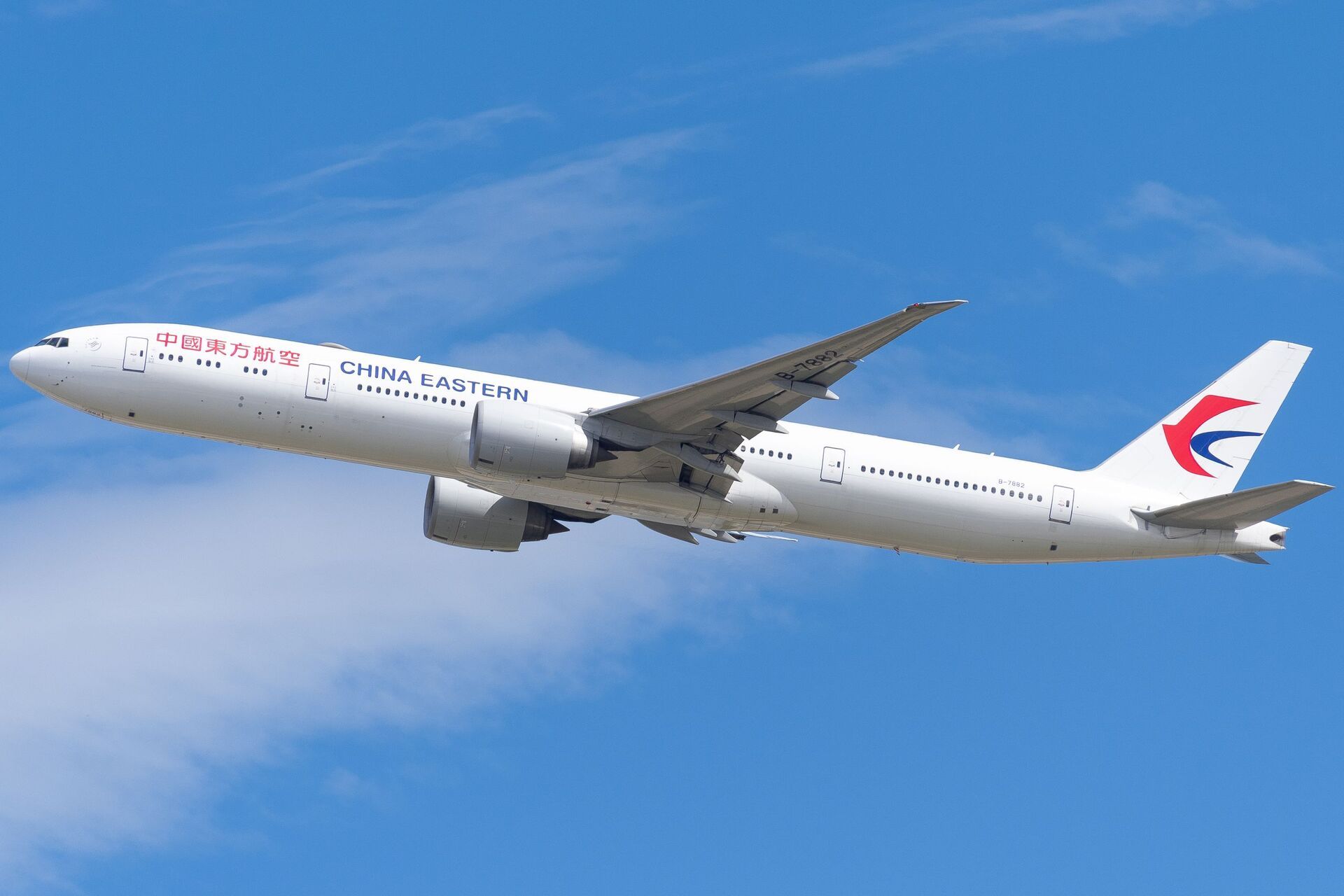
Air China operates within China’s oligopolistic aviation market alongside China Eastern Airlines and China Southern Airlines, collectively known as the “Big Three.” These state-owned carriers dominate Chinese aviation, though they compete vigorously for market share, premium customers, and international routes.
Market share analysis reveals Air China’s competitive position.
Air China holds approximately 28.1% of domestic market share by capacity, compared to China Southern’s 29.3% and China Eastern’s 31.2%.
However, in the international segment, Air China commands 21.6% compared to China Southern’s 17.86% and China Eastern’s 23.18%, reflecting Air China’s strategic emphasis on international operations.
Airline | Domestic Market Share | International Market Share |
|---|---|---|
China Southern | 29.3% | 17.86% |
China Eastern | 31.2% | 23.18% |
Air China | 28.1% | 21.6% |
Air China’s positioning as China’s flag carrier provides certain advantages, including priority access to diplomatic and state-related travel, preferential treatment on international route allocations, and association with national prestige.
The airline’s brand value reached RMB 275.576 billion according to World Brand Lab evaluations, maintaining its leading position in China’s aviation service industry.
Also Read:

Competitive Differentiation
Air China differentiates itself through several strategic advantages:
Premium Customer Focus: Air China cultivates a high-value and high-quality customer base, with particular strength in business travel, government contracts, and premium leisure segments. This customer mix supports yield management and provides relative resilience during economic downturns.
International Network Strength: As China’s flag carrier, Air China maintains the most extensive network connecting Beijing to global capitals and major business centers. This positioning proves valuable for international business travelers and diplomatic traffic.
Star Alliance Membership: Air China’s membership in Star Alliance, the world’s largest airline alliance, provides crucial competitive advantages through codeshare agreements, reciprocal loyalty benefits, and expanded global reach.
This alliance relationship distinguishes Air China from China Southern (SkyTeam member) and provides connectivity advantages that domestic-focused airlines cannot match.
Competitive Challenges
Despite these strengths, Air China faces significant competitive pressures:
Intense Domestic Competition: Chinese carriers engage in aggressive pricing competition on domestic routes, pressuring yields and profitability. High-speed rail continues expanding, offering convenient alternatives for routes under 1,000 kilometers. Low-cost carriers, while smaller than in other markets, gradually capture price-sensitive segments.
Regional Carrier Emergence: Airlines such as Hainan Airlines, Spring Airlines, and Juneyao Airlines have carved out profitable niches, often with lower cost structures and more aggressive service innovation than the Big Three.
International Carrier Recovery: As foreign airlines restore capacity to China following pandemic-related disruptions, competition intensifies on lucrative international routes. European, North American, and Asian carriers bring strong brand recognition, superior product offerings in some cases, and extensive global networks.
Air China acknowledged in its financial filings that the company faces “relatively huge industry competition” and continues working to strengthen its competitive position through service quality improvements, network optimization, and operational efficiency gains.
Digital Transformation and Technology Initiatives
Operational Technology Advancement
Air China has prioritized digital transformation as a critical enabler of competitive advantage and operational excellence. The airline’s technology initiatives span safety management, customer service, maintenance operations, and business analytics.
Flight Operations Technology: The global ground flight support platform now covers all subsidiaries, significantly enhancing ground flight support capabilities. The intelligent flight engineer platform leverages technology to improve safety management through predictive analytics, real-time monitoring, and data-driven decision-making.
Maintenance Innovation: Smart maintenance applications integrate sensor data, maintenance records, and predictive algorithms to optimize aircraft maintenance schedules, reduce unscheduled downtime, and improve fleet reliability. These systems represent substantial investments in both technology infrastructure and personnel training.
Centralized Departure Control: Air China has achieved complete implementation of centralized departure control operations at all Air China flight destinations. This system standardizes and optimizes departure processes, improving on-time performance and resource utilization.
Customer-Facing Digital Services
Air China’s customer-facing technology initiatives aim to enhance passenger experience and drive operational efficiency:
Intelligent Customer Service: The airline’s intelligent customer service system provides passengers with AI-powered voice inquiry and response support. This system handles routine queries, freeing human agents for complex issues while providing 24/7 availability and multiple language support.
In-Flight Services Digitalization: The in-flight catering reservation service now covers all domestic flights, allowing passengers to pre-order meals and customize their in-flight experience. This system reduces food waste, improves passenger satisfaction, and provides valuable data on passenger preferences.
AI+ Platform: Air China has established an enterprise-wide AI+ platform to support artificial intelligence applications across various business areas. This foundational infrastructure enables rapid deployment of AI solutions for revenue management, operational optimization, predictive maintenance, and customer analytics.
Revenue Management Systems
Air China has implemented advanced revenue management solutions to optimize pricing and inventory management.
The airline partnered with PROS, a leading revenue management technology provider, to leverage data and artificial intelligence to form new competitive advantages. These systems analyze historical booking patterns, competitive pricing, demand forecasts, and market conditions to recommend optimal pricing strategies that maximize revenue.
Digital transformation initiatives at Air China reportedly involve $200 million allocated for technology upgrades in 2024, focusing on digitizing operations and implementing AI-driven customer service and operational tools.
This substantial investment demonstrates management’s commitment to technology-enabled transformation.
Sustainability and Environmental Initiatives
Carbon Reduction Commitments
Environmental sustainability has emerged as both a regulatory requirement and competitive differentiator for global airlines.
Air China has established ambitious carbon reduction targets aligned with international aviation’s decarbonization goals. The airline announced plans to reduce carbon emissions by 30% per available seat kilometer (ASK) by 2030, in line with global industry commitments.
China’s civil aviation authorities have actively supported emission reduction initiatives. From 2023 to July 2025, temporary flight route optimizations resulted in a cumulative reduction of 557,000 tons in jet fuel consumption and a decrease of 1.75 million tons in carbon dioxide emissions across the industry.
Fuel Efficiency Programs
Air China continues to advance fuel efficiency innovations and implement its Green Flight Program, optimizing operations to extract maximum value from every drop of aviation fuel. These initiatives encompass flight planning optimization, weight reduction measures, engine efficiency improvements, and aerodynamic enhancements.
During the first half of 2025, Air China achieved a 10.34% reduction in jet fuel costs to RMB24,327.5 million, driven by both lower fuel prices and improved operational efficiency. While market conditions contributed to this decline, operational initiatives played a meaningful role in fuel consumption reduction.
The airline plans to integrate 100 more fuel-efficient aircraft into its fleet by the end of 2024, building on its current fleet composition. Modern aircraft such as the A350, Boeing 787, and C919 offer substantial efficiency improvements over older generation equipment, reducing both operating costs and environmental impact.
Sustainable Aviation Fuel (SAF) Development
Sustainable Aviation Fuel represents a critical pathway for aviation decarbonization. Air China successfully completed SAF-powered flights in 2023, demonstrating the technical feasibility of SAF operations. However, SAF currently represents only a tiny fraction of Air China’s fuel consumption due to limited supply, high costs, and infrastructure constraints.
China’s aviation industry faces challenges in SAF adoption. According to China Civil Aviation Network, China’s total aviation fuel consumption in 2024 amounted to 38.2 million tonnes. Meeting even modest SAF blending targets would require massive investment in production facilities and supply chain infrastructure.
By 2025, China plans to incorporate aviation emissions into its national carbon trading system, allowing airlines to offset emissions through market mechanisms, potentially accelerating SAF development.
Operational Environmental Measures
Beyond fuel efficiency and SAF, Air China implements numerous operational environmental initiatives:
Ground Operations: Electric ground support equipment, solar power installations at facilities, and waste reduction programs minimize the environmental footprint of ground operations.
Paperless Operations: Digital documentation and electronic flight bags reduce paper consumption while improving operational efficiency and data accuracy.
Circular Economy: Aircraft recycling programs, waste sorting and recycling initiatives, and sustainable procurement policies support circular economy principles.
These environmental programs respond to both regulatory requirements and stakeholder expectations. Chinese environmental regulations continue tightening, and international customers increasingly factor environmental performance into airline selection decisions.
Industry Context and External Factors
Global Aviation Industry Outlook for 2026
The International Air Transport Association (IATA) projects 5.2 billion air travelers in 2026, reflecting 4.4% growth from 2025. Passenger traffic measured in Revenue Passenger Kilometers (RPK) is forecast to grow 4.9% year-over-year, with Asia-Pacific leading regional expansion at 7.3%.
Global airlines are projected to achieve net profits of $41 billion in 2026, with a net profit margin of 3.9%. Total industry revenues are expected to reach $1.053 trillion, up 4.5% from $1.008 trillion in 2025. These projections assume continued economic growth, stable fuel prices, and absence of major geopolitical disruptions.
Asia-Pacific region demonstrates particular strength. Asia-Pacific airlines are expected to post $6.6 billion in net profit in 2026, supported largely by India’s expanding aviation sector and China’s continued recovery. Regional load factors are projected to reach 84.4% in 2026, an all-time high, indicating robust demand and effective capacity management.
Cargo markets present a more measured outlook. Global air cargo traffic is set to grow 2.6% in 2026 as demand stabilizes and the industry adjusts to recent tariff turbulence. Cargo volumes are expected to reach 71.6 million tonnes in 2026, up from 69.8 million tonnes in 2025.
China-Specific Aviation Dynamics
China’s civil aviation sector continues expanding rapidly. China’s fleet is rapidly expanding beyond 4,000 aircraft toward a projected 10,000+ by 2035. The International Trade Administration indicates demand will be driven by delivery of 8,830 new aircraft, with 60% for growth and 40% for replacement of older models.
International route development accelerated during 2025. In the first quarter of 2025, China’s international route network continued to expand, with the number of international flights and passengers increasing substantially. During Q3 2025, according to Cirium schedules data, China Eastern added a net 17 international routes on top of 170 routes operated in Q3 2024, illustrating the pace of international expansion across the Big Three.
However, challenges persist.
The global aircraft shortage represents one of the industry’s most persistent constraints. Limited fleet availability slows capacity growth and delays expansion plans. Aircraft manufacturers face production bottlenecks, supply chain disruptions, and labor constraints that prevent meeting delivery schedules.
Geopolitical and Economic Considerations
Air China operates within a complex geopolitical environment that significantly influences strategy and operations:
U.S.-China Relations: Trade tensions, technology restrictions, and diplomatic friction affect aircraft procurement, technology access, and route development. Export controls on advanced technologies, including aircraft engines and avionics, create supply chain vulnerabilities for Chinese carriers operating Western-manufactured equipment.
Regional Security: Territorial disputes, political tensions with neighboring countries, and security concerns in certain regions influence route planning and operational risk management.
Economic Conditions: China’s economic growth trajectory, consumer confidence, business investment, and international trade flows directly impact aviation demand. While China’s economy continues growing, growth rates have moderated from peak levels, influencing discretionary travel spending.
Regulatory Environment: Chinese aviation regulations, international aviation agreements, capacity controls, and route allocation mechanisms shape competitive dynamics and growth opportunities.
Challenges and Risks for 2026 and Beyond
Operational Challenges
Aircraft Supply Constraints: Global aircraft shortages affect Air China’s fleet expansion plans. Delays in deliveries, particularly for widebody aircraft essential for international growth, constrain capacity additions. C919 delivery uncertainties add domestic aircraft supply risk.
Labor and Skill Shortages: The aviation industry globally faces pilot shortages, with an estimated shortfall of 24,000 pilots predicted for 2026. China’s rapid aviation expansion intensifies competition for qualified pilots, maintenance technicians, and other specialized personnel. Training capacity, regulatory requirements, and compensation pressures complicate workforce planning.
Infrastructure Constraints: While China invests heavily in airport infrastructure, slot constraints at major hubs during peak periods limit schedule optimization. Airspace restrictions, particularly around Beijing, affect operational efficiency and capacity utilization.
Cost Pressures: Labor costs rise as China’s economy develops. Airport charges, navigation fees, and regulatory compliance costs increase. Currency fluctuations affect aircraft lease payments, international expenses, and competitive positioning against foreign carriers.
Market Challenges
Yield Pressure: Intense competition, particularly on domestic routes, pressures ticket prices and ancillary revenue. Air China’s passenger revenue per kilometer declined 4.88% during H1 2025, illustrating ongoing yield challenges. Balancing capacity growth with yield maintenance remains a persistent management challenge.
High-Speed Rail Competition: China’s extensive and expanding high-speed rail network offers convenient alternatives for short and medium-haul routes. With speeds exceeding 300 km/h and stations in city centers, high-speed rail proves competitive for trips under four hours. This competition particularly affects domestic routes, Air China’s historically profitable segment.
Low-Cost Carrier Growth: While Chinese LCC penetration remains low compared to other Asian markets, carriers like Spring Airlines and Juneyao Airlines gradually expand market share. As Chinese consumers become more price-sensitive and digital booking matures, LCC competition may intensify.
Foreign Carrier Competition: International airlines restore China capacity with improved products, strong brands, and alliance partnerships. European and North American carriers often offer superior premium cabin products, while Asian carriers provide competitive pricing and extensive networks.
Financial Risks
Leverage and Debt Burden: Airline industry capital intensity requires substantial borrowing for aircraft acquisition and operations. Air China’s balance sheet reflects significant debt obligations that require ongoing servicing regardless of operating performance. Rising interest rates or credit market disruptions could increase financing costs.
Currency Exposure: Operating internationally exposes Air China to currency fluctuations. Aircraft leases, fuel purchases, and international expenses often denominated in U.S. dollars create foreign exchange risk. Yuan depreciation increases costs, while appreciation affects Chinese travelers’ purchasing power for international travel.
Fuel Price Volatility: Despite recent fuel cost declines, petroleum markets remain volatile. Geopolitical events, supply disruptions, OPEC+ production decisions, and demand fluctuations drive significant fuel price swings. Fuel typically represents 25-35% of airline operating costs, making price movements materially impactful.
Economic Downturn Risk: Economic recession, financial crises, or sharp slowdowns in China or key international markets would severely impact aviation demand. Business travel typically declines sharply during recessions, affecting Air China’s yield and load factors.
Strategic Risks
Technology Disruption: Virtual meeting technologies, while not eliminating business travel entirely, reduce frequency and urgency of some business trips. Continued technology advancement may further pressure business travel demand.
Pandemic Recurrence: While COVID-19 has transitioned to endemic status in most markets, future pandemic risks remain. New pathogens, vaccine-resistant variants, or policy responses to health crises could again severely disrupt aviation.
Climate Regulation: Increasingly stringent environmental regulations, carbon pricing, emission limits, and SAF mandates may impose substantial costs. Meeting aggressive decarbonization targets while maintaining profitability presents significant challenges.
Geopolitical Disruption: Military conflicts, trade wars, diplomatic breakdowns, or security incidents could close airspace, eliminate routes, or drastically reduce demand. Air China’s international focus increases exposure to geopolitical risks.
Opportunities and Strategic Priorities
Growth Opportunities
International Market Recovery: International traffic recovery continues, with significant upside remaining in multiple markets. Business travel normalization, pent-up leisure demand, and easing visa requirements support growth. Air China’s international network strength positions it to capture disproportionate share of this expansion.
Premium Segment Expansion: China’s growing affluent population drives demand for premium travel products. Business class and first-class cabins typically generate 3-4 times the revenue of economy seats on a per-passenger basis. Enhancing premium products, expanding premium-heavy routes, and targeting high-value customers offers margin expansion opportunities.
Cargo Market Strength: E-commerce growth, supply chain diversification, and high-value goods shipments support air cargo demand. Air China Cargo’s A350F orders position the airline to capture this opportunity with industry-leading efficiency and environmental performance.
Digital Revenue Streams: Ancillary revenue from seat selection, baggage fees, lounge access, and travel insurance provides high-margin revenue growth. Digital channels enable sophisticated targeting and personalization that maximize ancillary attach rates.
Domestic Economic Growth: Despite moderation from peak rates, China’s economy continues expanding. Growing middle class, urbanization, and regional economic development drive aviation demand growth. China represents the world’s largest domestic aviation market with substantial remaining growth potential.
Strategic Priorities for 2026 and Beyond
Service Quality Excellence: Air China has committed to creating “Four First-class” standards as an annual priority task. The airline continuously promotes development of its service quality management system, enhances service standards, and deepens product and service innovation. Digitalization and upgrades across the entire service process drive high-quality development.
Cost Competitiveness: Achieving sustainable profitability requires relentless cost management. Air China must identify and leverage cost-saving opportunities, optimize procurement, improve fuel efficiency, and enhance asset utilization. During H1 2025, the airline deepened cost control efforts and expanded profit contributions.
Network Optimization: Balancing capacity across domestic, regional, and international segments maximizes network value. Prioritizing high-yield routes, optimizing frequencies, developing strategic partnerships, and leveraging Beijing’s dual-hub configuration enables efficient growth.
Brand Strengthening: As China’s flag carrier, Air China must maintain and enhance its brand value. Participating in major international events, maintaining consistent quality standards, and leveraging Chinese cultural elements differentiates Air China in increasingly crowded markets. Air China’s brand value of RMB275.576 billion provides a strong foundation, but requires continuous investment and protection.
Alliance Leverage: Maximizing Star Alliance benefits through codeshares, joint ventures, reciprocal benefits, and coordinated scheduling extends Air China’s global reach without capital investment. Deepening relationships with key alliance partners in Europe, North America, and Asia creates network advantages competitors cannot easily replicate.
Sustainability Leadership: Proactively addressing environmental challenges through aggressive emissions targets, SAF adoption, fleet modernization, and operational optimization positions Air China favorably with environmentally conscious customers and anticipates regulatory requirements.
Outlook for 2026 and Future Trajectory
Near-Term Expectations (2026)
Air China approaches 2026 with cautious optimism grounded in improving operational metrics and favorable industry trends. The airline’s management has indicated it will “adhere to the principle of seeking progress while maintaining stability” while building firm defenses for safe operation and working toward becoming a world-class enterprise.
Financial Recovery: Analysts anticipate Air China will achieve full-year profitability in 2026, marking a significant milestone in post-pandemic recovery. Chinese Big Three airlines’ nine-month gains indicate robust performance positioning these carriers for annual profitability. Continued international traffic growth, effective yield management, and cost discipline should support this trajectory.
Capacity Growth: Air China will likely increase capacity by 4-6% in 2026, balanced between domestic restoration and international expansion. International capacity may grow 10-15% as route additions mature and frequencies increase. Domestic capacity will stabilize around 2025 levels with selective adjustments based on demand patterns.
International Focus: New routes to Brussels and Argentina exemplify Air China’s international priorities. Additional route announcements, frequency increases on existing services, and partnership deepening will characterize 2026 international strategy. Management will prioritize routes offering yield premiums and limited competition.
Fleet Development: Aircraft deliveries will accelerate in 2026 as supply chain conditions gradually improve. Widebody aircraft additions support international expansion, while narrowbody deliveries enable domestic network optimization. Additional C919 deliveries, while potentially fewer than initially planned due to supply constraints, will continue.
Medium-Term Outlook (2027-2030)
The medium-term horizon presents both substantial opportunities and formidable challenges requiring strategic agility:
Profitability Stabilization: Air China should achieve consistent profitability by 2027-2028, assuming no major external shocks. Net margins will likely stabilize in the 3-5% range, typical for full-service network carriers in competitive markets. Premium segment growth, ancillary revenue expansion, and operational efficiency gains will drive margin improvement.
Market Share Dynamics: Competition among the Big Three will intensify as airlines pursue similar strategies in overlapping markets. Air China’s international strength, Beijing hub dominance, and flag carrier status provide defensible advantages. However, China Eastern and China Southern will aggressively compete for premium customers and international traffic.
Technology Integration: Digital transformation initiatives will mature, delivering measurable efficiency gains and revenue improvements. AI-powered revenue management, predictive maintenance, and personalized customer engagement will become standard capabilities. Technology-enabled cost reductions will partially offset labor and regulatory cost increases.
Sustainability Transition: Environmental initiatives will accelerate, driven by regulatory requirements and stakeholder expectations. SAF adoption will increase as supply expands and costs decline, though significant challenges remain. Fleet modernization will reduce emissions intensity per passenger-kilometer by 15-20% by 2030.
C919 Fleet Growth: Assuming supply chain stabilization, Air China’s C919 fleet could reach 20-30 aircraft by 2030. These aircraft will primarily serve domestic routes, replacing older narrowbodies and supporting capacity growth. Operational experience will inform future procurement decisions and help COMAC improve the aircraft.
Long-Term Vision (Beyond 2030)
Looking beyond 2030, Air China’s trajectory depends on successfully navigating transformational industry changes:
Decarbonization Leadership: Meeting 2050 net-zero targets requires revolutionary changes in aircraft technology, fuel sources, and operations. Air China must invest in next-generation aircraft, scale SAF production, and potentially adopt hydrogen or electric propulsion for short-haul routes. Airlines that successfully decarbonize will gain competitive advantages through regulatory compliance, customer preference, and operational efficiency.
Digital-Physical Integration: The boundaries between digital and physical travel experiences will blur. Virtual reality, augmented reality, and seamless digital services will enhance the physical travel experience. Airlines that master this integration will differentiate through superior customer experience and operational excellence.
Market Maturation: China’s domestic aviation market will mature as penetration rates approach developed market levels. Growth will slow from current high-single-digit rates to low-single-digit levels, intensifying competition for market share. International markets will provide primary growth opportunities, requiring successful competition with established global carriers.
Geopolitical Navigation: The ability to navigate complex and potentially deteriorating geopolitical environments will distinguish successful from struggling airlines. Air China’s flag carrier status provides both advantages and constraints. Maintaining operational flexibility, diversifying markets, and building resilient networks will prove essential.
Ownership and Structure: Potential changes in ownership structure, industry consolidation, or market reforms could reshape Chinese aviation. Privatization, mergers, or regulatory liberalization would dramatically alter competitive dynamics. Air China’s state ownership provides stability but may limit strategic flexibility compared to more market-oriented competitors.
My Final Thoughts
Air China has demonstrated resilience through challenging operating conditions, maintained its position as China’s premier international carrier, and laid foundations for sustained recovery. Financial performance through 2025 shows steady improvement, with narrowing losses transitioning toward profitability.
The company’s strategic priorities align appropriately with industry imperatives: operational safety, service quality, cost competitiveness, network optimization, and digital transformation.
Major fleet investments, particularly in fuel-efficient aircraft and cargo capabilities, position Air China for long-term competitiveness. International route expansion, including landmark services to Brussels and Argentina, demonstrates ambition and capability to compete globally.
However, significant challenges persist.
Aircraft supply constraints, intense competition, yield pressures, labor shortages, and geopolitical uncertainties create headwinds. The transition to sustainable aviation requires massive investments with uncertain returns. Navigating U.S.-China tensions while operating Western-manufactured aircraft presents ongoing complexity.
For 2026, Air China appears positioned to achieve full-year profitability while continuing international expansion and operational improvement. The airline’s brand strength, hub advantages, alliance partnerships, and management focus provide competitive advantages.
Success will depend on execution quality, market conditions, and ability to anticipate and adapt to rapid industry changes.
Beyond 2026, Air China’s trajectory depends on successfully managing transformational forces reshaping global aviation: decarbonization, digitalization, market maturation, and geopolitical realignment.
Airlines that navigate these transitions most effectively will emerge as winners in the next era of commercial aviation.
Air China possesses many necessary ingredients for success, but faces formidable competition and substantial challenges.
The company’s performance over the coming years will reveal whether China’s flag carrier can ascend to truly world-class status among global aviation leaders.