
Beijing Capital Airlines, also known as Capital Airlines, finds itself at a critical moment in its operational trajectory.
The carrier has transitioned from survival mode during the pandemic to a more proactive expansion strategy, launching new international routes and diversifying its cargo operations across multiple continents.
With China’s broader aviation sector showing signs of sustained recovery, the airline faces both opportunities and structural challenges that will shape its performance through 2026.
Table of Contents

Image source: wikipedia.org
Company Profile and Fleet Composition
Beijing Capital Airlines was established in 2010 through a strategic partnership between the Beijing Municipal Government and HNA Group. Originally known as DeerJet, the airline has grown into one of China’s significant Airbus operators.

The carrier operates a modern fleet composed predominantly of Airbus A320 family aircraft alongside Airbus A330s. As of 2025, Beijing Capital Airlines has more than 400 routes in its network history, with 144 currently operating, comprising 129 domestic routes, 15 international routes, and connections to Hong Kong and Macau.
The airline achieved annual revenue exceeding RMB 10 billion before the pandemic, establishing itself as a notable player in China’s competitive aviation market. Its base at Beijing Daxing International Airport positions the carrier strategically within one of the world’s largest aviation markets.
Fleet Type | Primary Use | Key Markets |
|---|---|---|
Airbus A320 family | Domestic and regional routes | Chinese cities, Southeast Asia |
Airbus A330-300 | Long-haul passenger services | Australia, Europe, Sri Lanka |
Airbus A330-200F | Cargo operations | Europe, Middle East |
Strategic Network Expansion in 2025
Beijing Capital Airlines has pursued an aggressive expansion strategy throughout 2025, launching several significant routes that signal its growth ambitions.
Passenger Route Development
The carrier announced in December 2025 that it will launch direct flights between Beijing Daxing and Colombo, Sri Lanka, starting January 31, 2026. The route will operate twice weekly using Airbus A330-300 aircraft, with service frequency increasing during peak periods from February 10 to 28, 2026.
This marks a strategic push into South Asia, a market segment that has shown robust recovery potential. The airline also operates routes to Moscow Sheremetyevo as of July 2025, maintaining connectivity with Russia despite geopolitical tensions.
Cargo Operations Breakthrough
Beijing Capital Airlines made significant inroads into European cargo markets in October 2025. The airline commenced four-times-weekly freighter service between Zhengzhou Xinzheng International Airport and Glasgow Prestwick Airport using Airbus A330-200F freighters.
This route capitalizes on Prestwick’s 24/7 cargo operations and unrestricted flight schedules.
Beijing Capital Airlines became the third Chinese cargo carrier to establish operations at Prestwick since May 2025, joining China Southern Cargo and Air China Cargo in creating a combined 16 weekly full-freighter services from China to Scotland.
Competitive Position Within China’s Aviation Sector
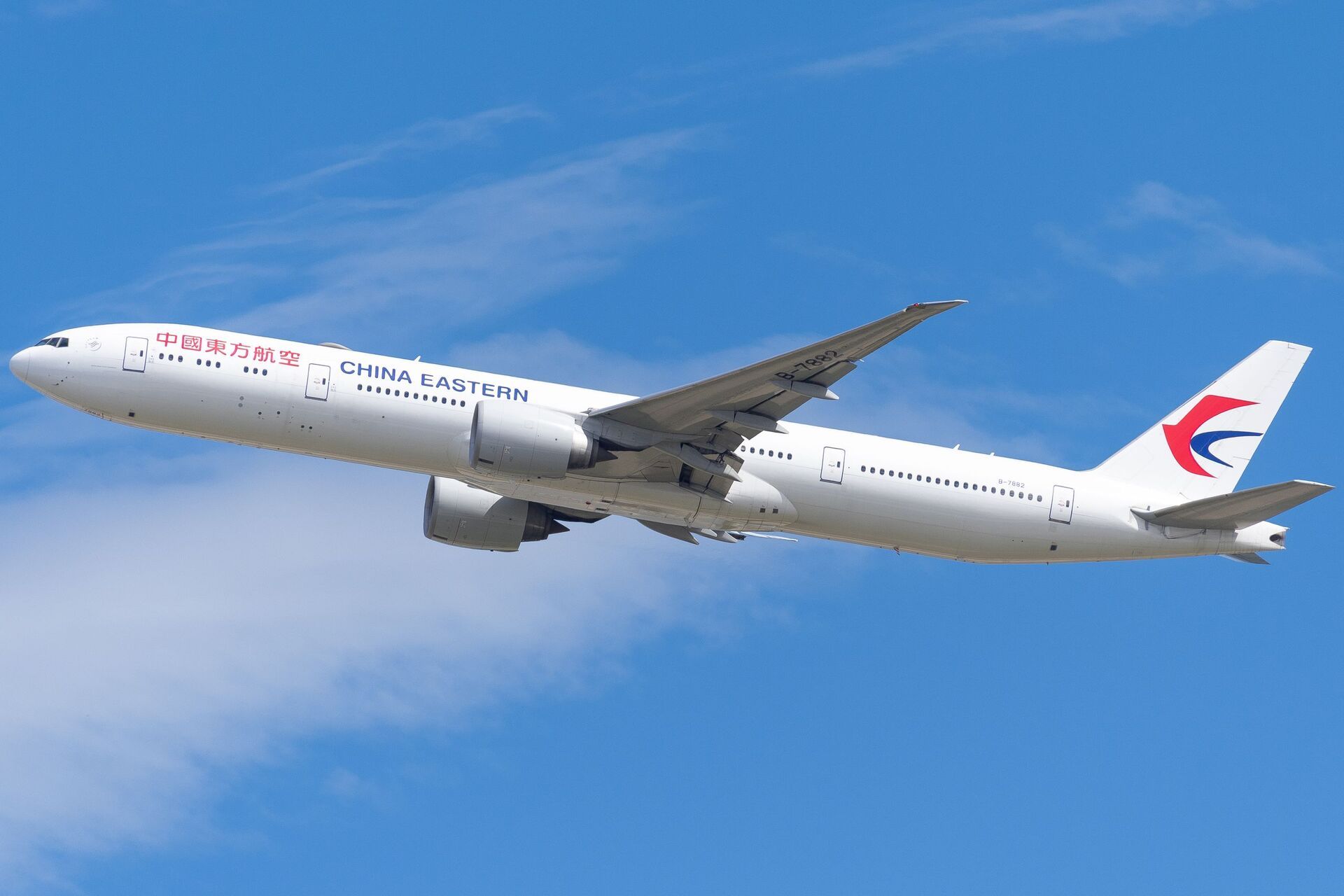
Beijing Capital Airlines operates in an intensely competitive domestic market dominated by the “big three” Chinese carriers: Air China, China Eastern, and China Southern.


Market Dynamics and Pricing Pressures
The Chinese aviation market faces a phenomenon known as “involution,” where carriers engage in aggressive fare competition that drives prices below sustainable levels. In 2025, Chinese regulators intervened by establishing a minimum fare threshold of CNY 200 ($28) to prevent predatory pricing below operational costs.
This regulatory intervention aims to stabilize industry profitability but limits Beijing Capital Airlines’ ability to compete on price alone. The China Air Transport Association also released a “Self-Discipline Convention on Air Passenger Transport” in August 2025 to standardize market practices and prevent unauthorized fare discounting.
Differentiation Strategy
As a smaller carrier compared to the “big three,” Beijing Capital Airlines has pursued niche markets and underserved routes. The airline’s recognition by Skytrax as one of 2025’s superior leisure airlines indicates a strategic focus on tourism and holiday travel segments.
The carrier’s cargo expansion into Europe represents another differentiation avenue, capitalizing on freight demand while larger Chinese carriers prioritize passenger operations.
BEIJING CAPITAL AIRLINES ROUTE NETWORK (2025)
━━━━━━━━━━━━━━━━━━━━━━━━━━━━━━━━━━━━━━━━━━━━━
Total Network Routes: 400+
Currently Operating: 144 routes
  - Domestic Routes: 129
  - International Routes: 15
  - Hong Kong/Macau: Included in network

Primary Hubs:
  - Beijing Daxing International Airport (PKX)
  - Secondary operations from multiple Chinese cities
Industry Context and Recovery Trajectory
China’s aviation sector has shown remarkable resilience, with the “big three” carriers achieving their first profitable nine-month period since the pandemic began. This recovery provides a favorable backdrop for Beijing Capital Airlines’ expansion.
Domestic Market Strength
China’s domestic market capacity exceeded pre-pandemic levels starting in 2023, driven by strong travel demand and government support. The large domestic market scale enables Chinese carriers to maintain high aircraft utilization rates, supporting operational efficiency.
International Market Constraints
While domestic operations have recovered, international capacity remains approximately 20% below 2019 levels as of late 2025. This gap presents both opportunities and challenges for Beijing Capital Airlines as it expands international routes.
Visa liberalization policies and improved bilateral air service agreements are gradually facilitating international traffic recovery. However, geopolitical tensions (particularly China-Japan flight reductions in late 2025) demonstrate ongoing volatility in cross-border operations.
Market Segment | Recovery Status | 2026 Outlook |
|---|---|---|
Domestic China | Exceeds 2019 levels | Stable growth, intense competition |
China-Southeast Asia | Strong recovery | High growth potential |
China-Europe | Moderate recovery | Gradual capacity expansion |
China-Australia | Growing steadily | Capacity additions planned |
Operational Challenges and Risk Factors
Several structural challenges could constrain Beijing Capital Airlines’ growth trajectory through 2026 and beyond.
Currency Exposure
Chinese airlines face significant US dollar exposure for aircraft leases, fuel purchases, and international operations. Fluctuations in the yuan’s exchange rate directly impact operational costs. The yuan’s depreciation against the dollar in late 2025 creates additional financial pressure that could erode profit margins.
Fleet Constraints
The global aircraft shortage represents a persistent challenge for industry growth. Limited fleet availability constrains capacity expansion and delays strategic initiatives. For Beijing Capital Airlines, competing with larger carriers for new aircraft deliveries may prove difficult given its smaller scale.
Fuel Price Volatility
While stable jet fuel prices in the first three quarters of 2025 supported profitability across China’s aviation sector, sustained fuel price increases could quickly reverse these gains. Beijing Capital Airlines’ relatively smaller scale provides less negotiating power for fuel hedging compared to major carriers.
Yield Pressure
Despite strong traffic growth, passenger yields have improved only modestly due to intense fare competition. Fourth-quarter 2025 typically represents a weaker period for Chinese aviation due to fewer public holidays. Beijing Capital Airlines must navigate these seasonal patterns while maintaining load factors.
2026 Outlook and Strategic Priorities
Beijing Capital Airlines enters 2026 with expanded network reach but faces critical execution challenges.
Growth Opportunities
The carrier’s new Colombo route taps into South Asia’s growing travel market, benefiting from Sri Lanka’s tourism recovery and diaspora travel demand. The Prestwick cargo operation positions Beijing Capital Airlines in the lucrative China-Europe freight corridor, capturing demand for high-value goods and e-commerce shipments.
International route expansion represents the most significant profitability lever, as yields on long-haul segments substantially exceed domestic operations. If Beijing Capital Airlines can maintain strong load factors on its A330 routes while achieving yield improvements, the carrier could significantly enhance financial performance.
Strategic Imperatives
KEY PRIORITIES FOR 2026
━━━━━━━━━━━━━━━━━━━━━━━━━━━━━━━━━━━━━━━━━━━━━
1. International Route Optimization
   - Maximize A330 utilization
   - Target high-yield business travel segments
   - Expand South/Southeast Asia presence

2. Cargo Network Development
   - Leverage Prestwick success as template
   - Explore additional European cargo destinations
   - Integrate passenger and freight operations

3. Cost Management
   - Currency risk hedging
   - Fuel cost optimization
   - Operational efficiency improvements

4. Yield Enhancement
   - Premium service differentiation
   - Corporate travel partnerships
   - Loyalty program development
Competitive Positioning
Beijing Capital Airlines must balance aggressive expansion with financial sustainability. The regulatory minimum fare policy limits price-based competition, pushing carriers toward service quality and network convenience as differentiation factors.
The carrier’s leisure travel focus positions it well for tourism recovery, but business travel segments offer higher yields. Developing hybrid route networks that serve both leisure and business passengers will be critical for optimizing revenue per available seat kilometer.
My Final Thoughts
Beijing Capital Airlines stands at an inflection point where its strategic decisions in 2026 will determine long-term viability.
The carrier has demonstrated tactical agility through its cargo expansion and niche route selection. However, sustained profitability requires more than opportunistic network additions. Beijing Capital Airlines must develop sustainable competitive advantages, whether through service quality, operational reliability, or specialized market segments that larger carriers underserve.
The broader industry recovery provides favorable tailwinds, but structural challenges persist. Currency volatility, fleet constraints, and intense domestic competition create a narrow path to success. Beijing Capital Airlines’ relatively smaller scale offers both agility and vulnerability.
International route performance will prove decisive. If the carrier’s Colombo and other long-haul routes achieve strong load factors and yields, they could drive meaningful profitability improvements. Conversely, overexpansion into marginal routes could strain financial resources.
The cargo strategy represents a smart diversification play. Freight operations provide revenue stability and asset utilization benefits while requiring different competitive capabilities than passenger services. Expanding this cargo footprint could create a sustainable niche.
For industry observers, Beijing Capital Airlines serves as a case study in how mid-tier carriers navigate post-pandemic recovery amid giant competitors.
The airline’s ability to execute its expansion strategy while maintaining financial discipline will determine whether it emerges as a sustainable player or faces consolidation pressures in China’s dynamic aviation market.