


India has officially launched one of the most significant military aviation procurement programmes of the decade. On March 3, 2026, India’s Defence Procurement Board cleared a proposal to acquire 60 medium transport aircraft (MTA) for the Indian Air Force, setting the stage for a fiercely competitive contest among three global aerospace heavyweights.
The programme is valued at approximately ₹1 trillion, or around $11 billion, and will be executed under India’s “Buy and Make” procurement route.
Why the Indian Air Force Needs 60 New Transport Aircraft Now?
The driving force behind this programme is the accelerating obsolescence of the IAF’s Antonov An-32 fleet. Around 100 An-32s remain in service, having entered the IAF’s inventory in the mid-1980s. Despite avionics and engine upgrades over the past decade, the fleet now faces serious challenges around spare parts availability and long-term sustainment.
The new aircraft are also expected to absorb some of the operational roles currently carried by the ageing Ilyushin Il-76 fleet, allowing the IAF to streamline its transport hierarchy.
IAF's Current Transport Fleet Hierarchy (Before MTA Induction)
---------------------------------------------------------------
Light Tactical:     C-295 (being inducted, replaces Avro HS-748)
Medium Tactical:    AN-32 (ageing, ~100 in service since mid-1980s)
Special Ops:        C-130J Super Hercules (12 aircraft)
Strategic Airlift:  C-17 Globemaster III
Heavy Logistics:    IL-76 (ageing, Russian origin)
The 2020 military standoff with China in eastern Ladakh sharpened this urgency considerably. IAF transport aircraft proved critical for sustaining troops at high-altitude forward locations where road access was severely limited, and weather conditions made ground logistics unreliable.
The new MTA must be capable of operating from short or semi-prepared Advanced Landing Grounds in Ladakh and India’s northeastern regions.
The Procurement Structure: “Buy and Make” and What It Means
The programme will follow the “Buy and Make” route under India’s Defence Acquisition Procedure. This means 12 aircraft will be acquired in fly-away condition, while the remaining 48 will be manufactured domestically in partnership with the Indian industry.
The proposal now moves to the Defence Acquisition Council (DAC) for formal Acceptance of Necessity, followed by the Cabinet Committee on Security. Only after those approvals will the tendering and competitive evaluation stages begin.
Key Programme Parameters
-------------------------------------------
Total Aircraft:         60
Fly-Away Delivery:      12 aircraft
Domestic Manufacture:   48 aircraft
Payload Requirement:    18 to 30 tonnes
Programme Value:        ~₹1 trillion (~$11 billion)
Procurement Route:      Buy and Make
Current Stage:          Defence Acquisition Council approval pending
A notable operational constraint specified by the IAF is the ability to airlift the Light Battle Tank Zorawar, India’s indigenous tank developed for high-altitude warfare. The Zorawar weighs approximately 25 tonnes, which directly influences which platforms qualify within the 18-30 tonne payload band.
The Three Contenders: Aircraft Head-to-Head
Embraer C-390 Millennium (Brazil) with Mahindra Defence
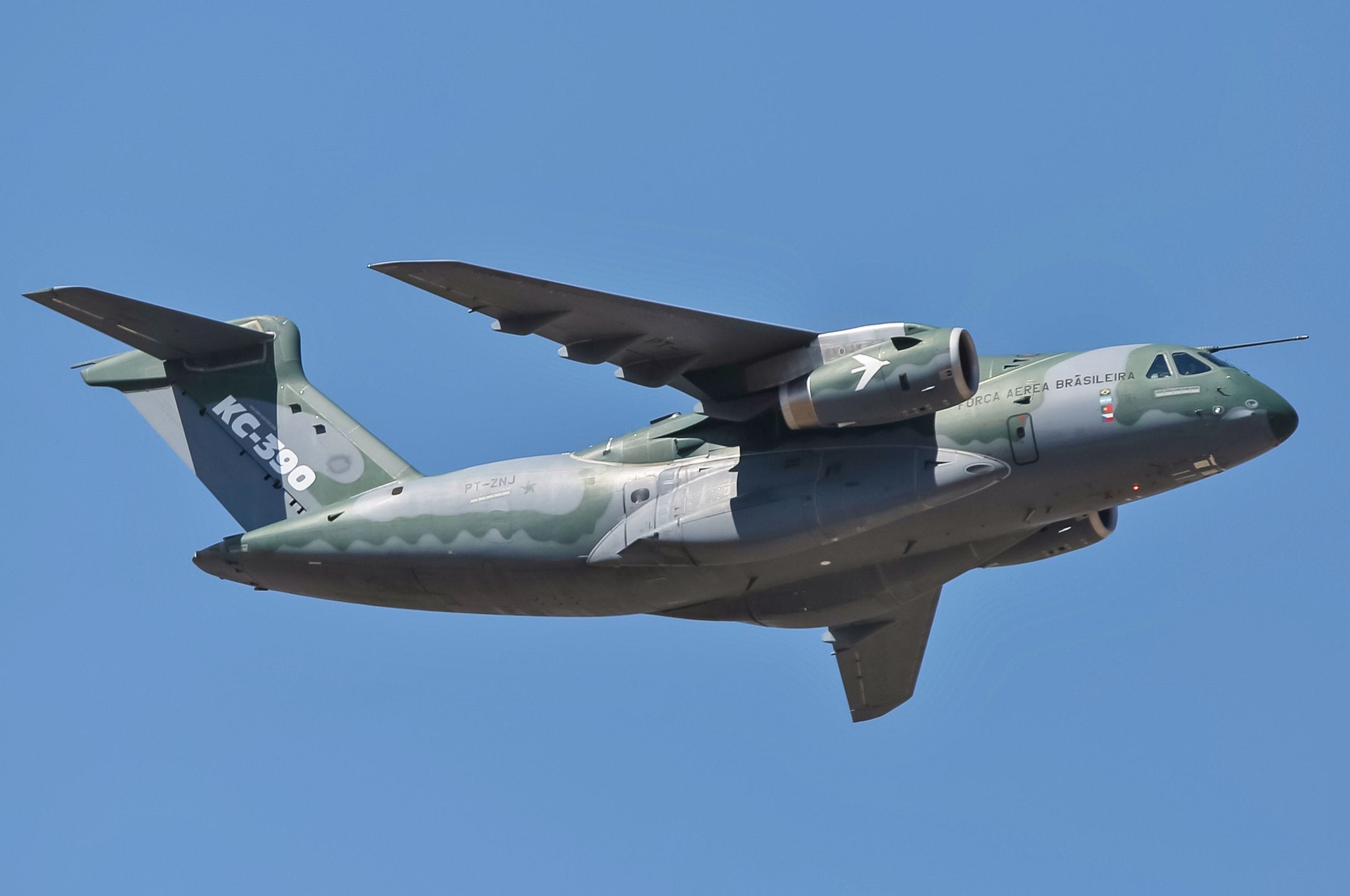
Brazil’s Embraer is competing with its C-390 Millennium, a twin-jet military transport capable of carrying approximately 26 tonnes of payload. Unlike most tactical transports that rely on turboprop engines, the C-390 uses jet propulsion, offering higher cruise speeds and faster operational turnaround.
Embraer signed a strategic partnership agreement with Mahindra Defence Systems in October 2025 to establish production and MRO support infrastructure in India. The company has proposed building a full maintenance, repair and overhaul ecosystem covering structural maintenance, component overhaul, avionics support and crew training, while also positioning India as a regional support hub for other C-390 operators globally.
Lockheed Martin C-130J Super Hercules (United States) with Tata Advanced Systems
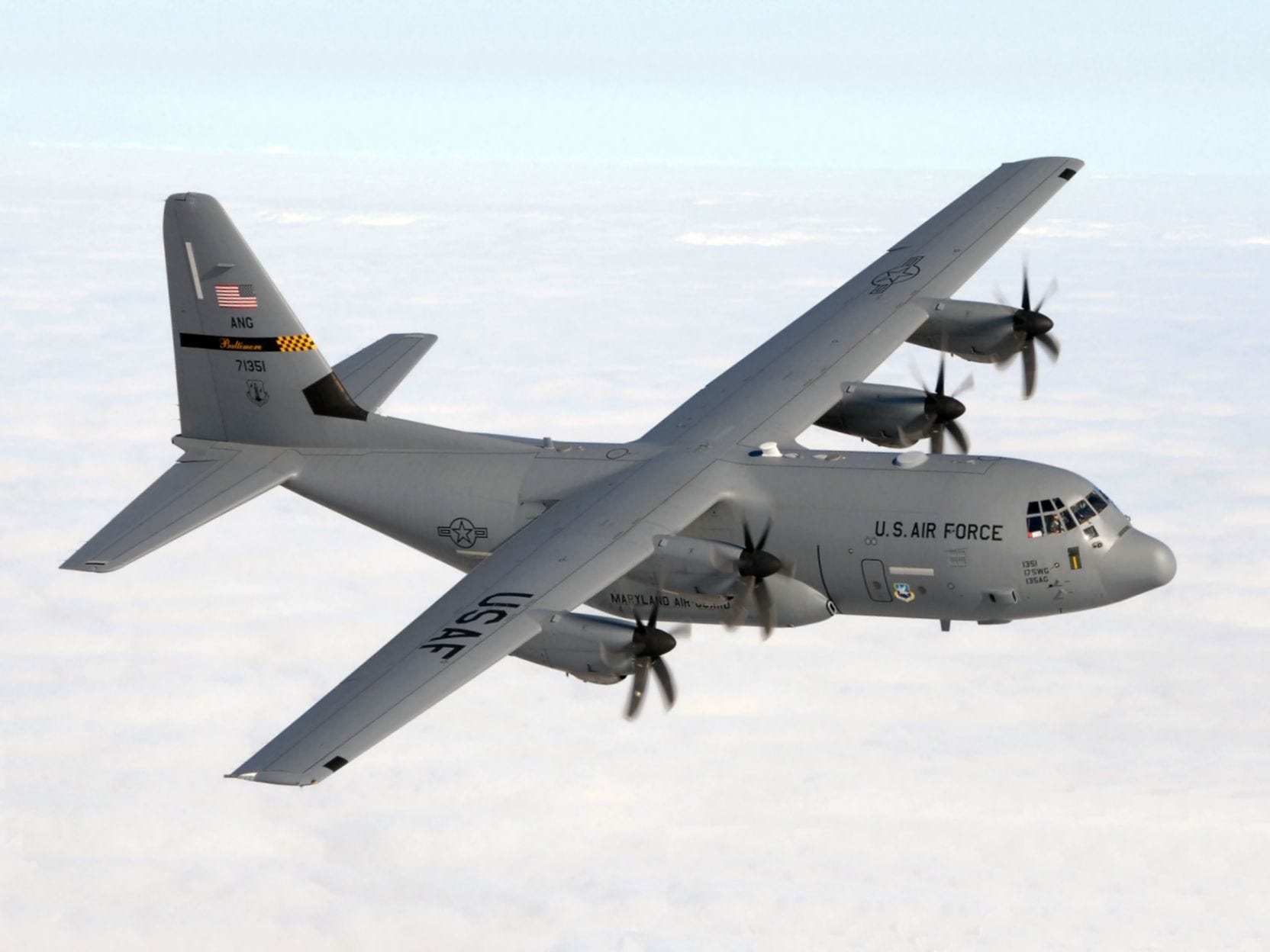
Lockheed Martin is proposing the C-130J Super Hercules, a platform the IAF already operates. India currently flies 12 C-130J-30 aircraft, which have performed high-altitude logistics missions at some of the world’s most demanding airstrips, including Daulat Beg Oldi near the Line of Actual Control with China.
The C-130J benefits from a deep industrial footprint in India through the Tata Lockheed Martin Aerostructures joint venture, which has already produced over 250 C-130J empennage assemblies for the global fleet. A new depot-level MRO facility is also being established in Bengaluru.
However, the aircraft’s payload capacity of roughly 20 tonnes sits at the lower end of the IAF’s stated 18-30 tonne requirement band, which could influence its competitiveness.
Airbus A400M Atlas (Europe) with Tata Advanced Systems
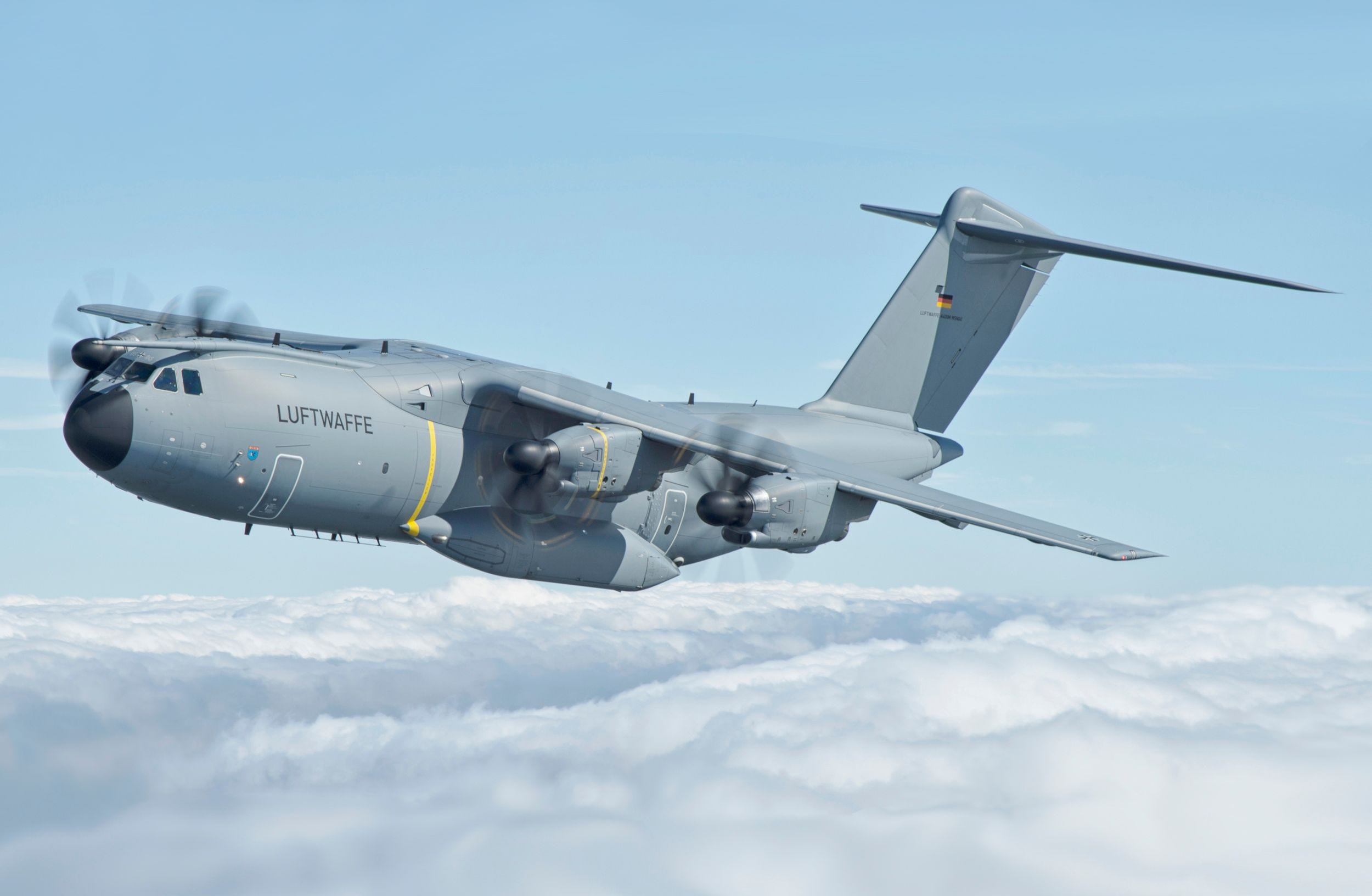
Airbus is putting forward the A400M Atlas, a turboprop-powered strategic and tactical airlifter capable of carrying up to 37 tonnes of cargo. The A400M can transport heavy or oversized equipment over long distances while still operating from short and unprepared runways.
Airbus already has a significant manufacturing presence in India through the C-295 programme, where Tata Advanced Systems inaugurated a Final Assembly Line in Vadodara in October 2024.
Of the 56 C-295 aircraft ordered by India in 2021, 40 are to be built domestically, with the first Indian-assembled aircraft expected to roll out in 2026. The challenge for the A400M, however, is that its payload capacity exceeds the IAF’s defined 18-30 tonne band, raising genuine questions about programme fit.
Platform Comparison: Key Metrics
-------------------------------------------------------
Aircraft        | Payload    | Engine Type | Indian Partner
----------------|------------|-------------|---------------
Embraer C-390   | ~26 tonnes | Twin Jet    | Mahindra Defence
Lockheed C-130J | ~20 tonnes | Turboprop   | Tata Advanced Systems
Airbus A400M    | ~37 tonnes | Turboprop   | Tata Advanced Systems
IAF Requirement | 18-30 t    | --          | --
-------------------------------------------------------
The Industrial Dimension: Why “Make in India” Could Shape the Winner
For India’s Ministry of Defence, this contest is as much about building a domestic aerospace ecosystem as it is about acquiring aircraft. The “Buy and Make” structure demands that 48 out of 60 aircraft be produced inside India, making technology transfer and local industrial integration a decisive evaluation criterion.
This framing signals that proposals offering deeper supply chain integration, broader domestic employment, and stronger intellectual property transfer arrangements will carry significant weight.
The IAF’s December 2022 Request for Information for up to 80 MTAs drew responses from all three manufacturers, establishing the competitive field early. The programme’s scale, with 60 confirmed aircraft and the possibility of additional orders, makes it one of the most closely monitored defence aviation tenders globally.
The Abandoned Russia Chapter and What Comes Next
The MTA requirement carries a long backstory.
For over a decade, India and Russia pursued a joint project to develop the Il-276 medium transport aircraft, intended to be co-produced by Hindustan Aeronautics Limited and Russia’s United Aircraft Corporation. Design disagreements and shifting strategic priorities eventually led to the project being shelved, leaving the An-32 replacement requirement unresolved.
That experience has firmly pushed New Delhi toward an off-the-shelf platform acquisition with domestic production under the “Buy and Make” framework.
Once the DAC grants Acceptance of Necessity, the formal tender, evaluation and shortlisting process will commence, with industrial partnerships, lifecycle sustainment costs and technology transfer terms expected to be as consequential as raw aircraft performance data.