


Executive Summary
Lockheed Martin closed 2025 with record full-year revenue of $75 billion, a 6% year-over-year increase, while simultaneously posting a record backlog of $194 billion, representing roughly 2.5 times annual sales.
The Missiles and Fire Control segment has become the company’s fastest-growing unit, driven by historic framework agreements to dramatically scale PAC-3 MSE, THAAD, and Precision Strike Missile (PrSM) production to meet urgent national defense priorities.
The F-35 program delivered a record 191 jets in 2025, surpassing the previous record of 142 and proving its lethality in real-world combat operations, while a classified advanced aeronautics program continues to generate significant financial losses that management has flagged as an ongoing risk.
For 2026, management guides toward sales of $77.5 billion to $80 billion, with a projected over 25% growth in segment operating profit, underpinned by multi-year missile production agreements, a larger F-35 sustainment base, and an aggressive capital investment cycle.
Recommended - Read Full Reports


Table of Contents
Executive Summary
Key Facts: Company Profile
Business Overview: What Lockheed Martin Actually Does
The Four Business Segments at a Glance
Revenue and Growth Drivers: Where the Money Is Coming From?
The Record Backlog as a Revenue Engine
Key Revenue Growth Drivers for 2026 and Beyond
Key Product Lines, Programs, and Services
F-35 Lightning II: The Cornerstone Program
PAC-3 MSE: The New Production Urgency
THAAD: Quadrupling Interceptor Output
Precision Strike Missile (PrSM): Combat Debut and Scale-Up
Rotary and Mission Systems: From Helicopters to Autonomy
Space: NGI, Golden Dome, and Hypersonic Tracking
Major Competitors: The Global Defense Hierarchy
RTX Corporation
Northrop Grumman
Boeing Defense
General Dynamics
Competitive Analysis and Moat
Sole-Source Program Position
The Skunk Works Moat
Backlog as a Visibility Moat
The 21st Century Security Strategy
Recent Developments: The Events That Matter
Historic Missile Production Framework Agreements (January-March 2026)
PrSM’s Combat Debut: A Critical Validation Event
Hypersonics System Integration Lab: Huntsville Opens
The F-35 C-130 Contract Uplift and Aircraft Related Program Expansion
Vectis CCA: Skunk Works Enters the Drone Wingman Race
Autonomous Black Hawk and the S-70 U-Hawk
Japan Aegis Shipsets and the European Missile Integration Push
The Macro Defense Environment: Why Demand Is Structurally Elevated
The U.S. Defense Budget: A New Threshold
NATO and Allied Spending Growth
Geopolitical Triggers and Platform Validation
Financial and Commercial Implications
Operating Margins Under Pressure from Ramp Costs
Capital Expenditure Cycle
Supply Chain Commercial Impact
F-35 Sustainment: The Long-Tail Revenue Story
Key Risks: Probability and Scenario Analysis
Classified Aero Program: The Highest-Magnitude Unknown
Supply Chain as a Growth Rate Limiter
SWOT Analysis
Looking Ahead: What to Watch in the Rest of 2026?
Missile Production Contract Awards
F-35 Block 4 Software Resolution
Classified Aero Program Quarterly Updates
NGI Facility Opening and First Test Milestones
Vectis First Flight and CCA Contract Competition
My Final Thoughts
Primary Sources and References
Key Facts: Company Profile
Company Name:        Lockheed Martin Corporation
Stock Ticker:        LMT (NYSE)
Headquarters:        Bethesda, Maryland, USA
Founded:             1995 (merger of Lockheed and Martin Marietta)
CEO:                 James (Jim) Taiclet, Chairman, President & CEO
Employees:           ~122,000 worldwide
Primary Business:    Aerospace, defense, security, and advanced technology
FY2025 Revenue:      $75.0 billion
FY2025 Net Earnings: $5.0 billion
FY2025 EPS:          $21.49 (diluted)
FY2025 Free Cash Flow: $6.9 billion
Record Backlog:      $194 billion (as of December 31, 2025)
2026 Revenue Guidance: $77.5B - $80.0B
Defense Revenue Share: ~96% of total revenue
Operations in:       50+ countries
Business Overview: What Lockheed Martin Actually Does
Lockheed Martin is the world’s largest defense contractor by defense-specific revenue, a distinction it has held for multiple consecutive years.
The company describes itself as a “global defense technology company,” reflecting a deliberate shift under CEO Jim Taiclet toward integrating 21st Century Security capabilities that blend hardware, software, and networked digital systems.
The company operates across four distinct business segments, each serving different aspects of national and allied security needs. Nearly all of its revenue originates from contracts with the U.S. government, allied foreign governments, and international customers through Foreign Military Sales (FMS).
The Four Business Segments at a Glance
Aeronautics is the company’s largest segment, generating $30.26 billion in 2025 revenue and accounting for roughly 40% of total company sales. This segment houses the F-35 Lightning II, F-22 Raptor, C-130J Super Hercules, and the classified programs developed at Skunk Works.
Rotary and Mission Systems (RMS) contributed $17.31 billion in 2025 revenue, covering helicopters through Sikorsky (Black Hawk, CH-53K King Stallion), maritime systems, radar, and the Aegis Combat System. The segment is also expanding into autonomous and unmanned platforms.
Missiles and Fire Control (MFC) posted $14.45 billion in 2025 sales, a 14% year-over-year increase, making it the fastest-growing segment. PAC-3 MSE, THAAD, Javelin, JAGM, and HELLFIRE systems belong here, alongside the new Precision Strike Missile.
Space generated $13.03 billion in 2025, a 4% increase from the prior year, driven by strategic and missile defense programs including Fleet Ballistic Missile, the Next Generation Interceptor (NGI), and classified national security satellite programs.
Revenue and Growth Drivers: Where the Money Is Coming From?
The Record Backlog as a Revenue Engine
The most important financial metric to understand right now is the backlog of $194 billion, which grew 17% year-over-year from $176 billion at end of 2024. This figure represents more than two and a half years’ worth of current annual revenue sitting on the books as committed future work.
That level of visibility is operationally significant. It gives Lockheed Martin and its supply chain partners the confidence to make multi-year infrastructure investments, ramp up hiring, and order long-lead materials well in advance of production.
Key Revenue Growth Drivers for 2026 and Beyond
Munitions demand surge: Global geopolitical tensions, particularly ongoing Russia-Ukraine dynamics and the operational use of precision weapons against Iran, have created an unprecedented pull on missile and munitions production. The DoD’s reconciliation bill added $152 billion in supplemental defense spending that the Pentagon plans to deploy fully in FY2026.
F-35 sustainment growth: The global F-35 fleet of nearly 1,300 aircraft generates an expanding sustainment and maintenance revenue stream. Lockheed has committed an additional $1 billion-plus investment in spare parts and repairs to improve mission-capable rates.
International partner spending: Allies in Europe and the Indo-Pacific are sharply increasing defense budgets. Italy and Denmark each expanded their F-35 programs of record in 2025. Japan is taking delivery of Aegis System Equipped Vessels (ASEV) with the AN/SPY-7(V)1 radar.
2025 Full-Year Revenue by Segment:
-------------------------------------------------
Aeronautics:                  $30.26B  (+6% YoY)
Rotary and Mission Systems:   $17.31B  (stable)
Missiles and Fire Control:    $14.45B  (+14% YoY)
Space:                        $13.03B  (+4% YoY)
-------------------------------------------------
Total:                        $75.05B  (+6% YoY)
Production capacity investment: Lockheed has invested more than $7 billion since President Trump’s first term to expand capacity for priority systems, with roughly $2 billion dedicated specifically to munitions acceleration. The company plans a further multibillion-dollar investment over the next three years.
Key Product Lines, Programs, and Services
F-35 Lightning II: The Cornerstone Program
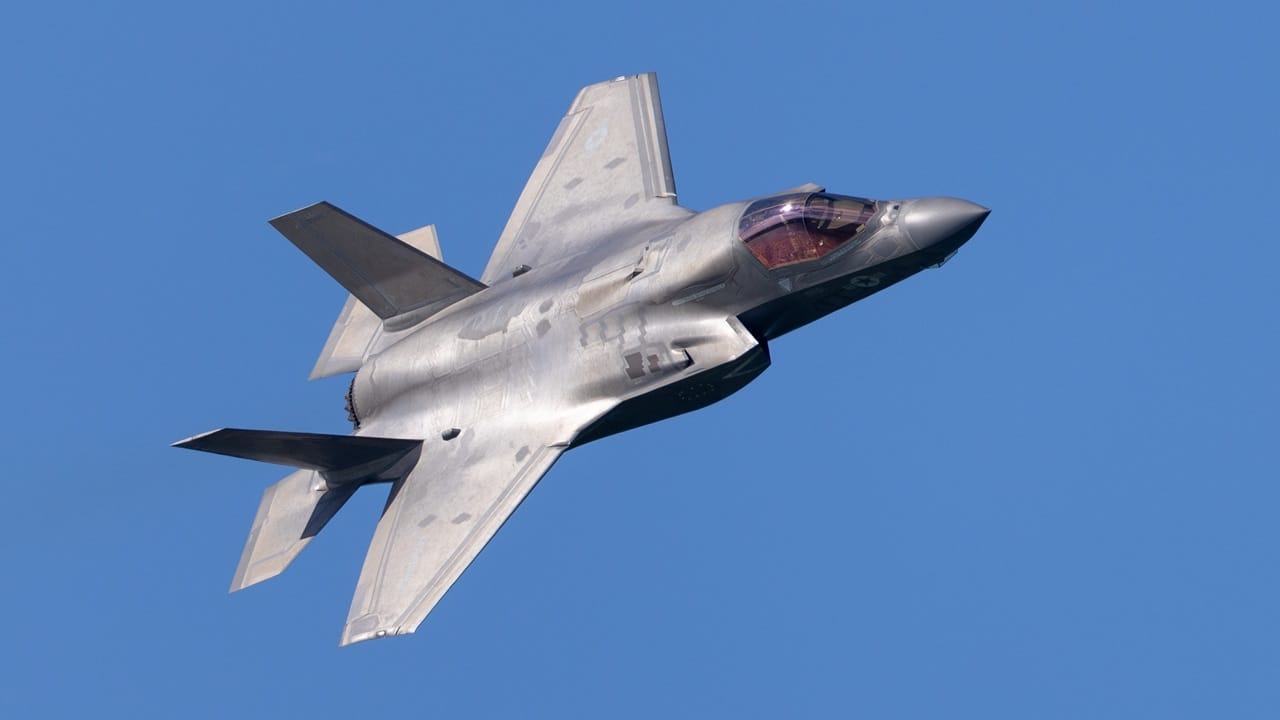
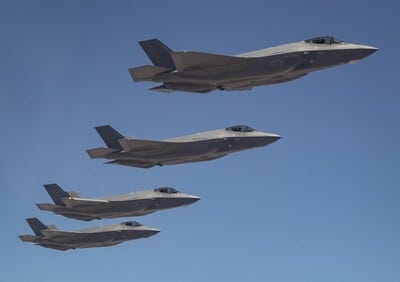
The F-35 Lightning II remains the single most important platform in Lockheed Martin’s portfolio. In 2025, the program delivered a record 191 aircraft, surpassing the previous record of 142 jets and running at a pace five times faster than any other allied fighter currently in production.
Twelve nations now operate the F-35, and the global fleet stands at nearly 1,300 aircraft. The program reached one million cumulative flight hours in 2025, a testament to the fleet’s operational intensity.
Combat performance in 2025 validated the platform’s value. F-35s played a key role in suppressing Iran’s air defenses during Operation Midnight Hammer. NATO F-35s also eliminated Russian drones over Poland, marking the first time allied F-35s engaged live threats in allied airspace.
The Lots 18-19 contract is a landmark agreement. The F-35 Joint Program Office and Lockheed Martin finalized this deal for the production and delivery of up to 296 F-35s for $24 billion, making it the largest production contract in the program’s history. Production in 2026 is expected to hold at 156 aircraft per year.
The TR-3 / Block 4 Modernization Challenge. The completion of TR-3 hardware and software upgrades in 2025 was a critical milestone, as it provides the computational foundation necessary for the broader Block 4 modernization. However, a 2026 Department of Defense review found that TR-3 software still exhibits “chronic stability deficiencies” that must be resolved before Block 4 capabilities can be fully declared combat-ready. This represents a known and actively managed risk.
PAC-3 MSE: The New Production Urgency
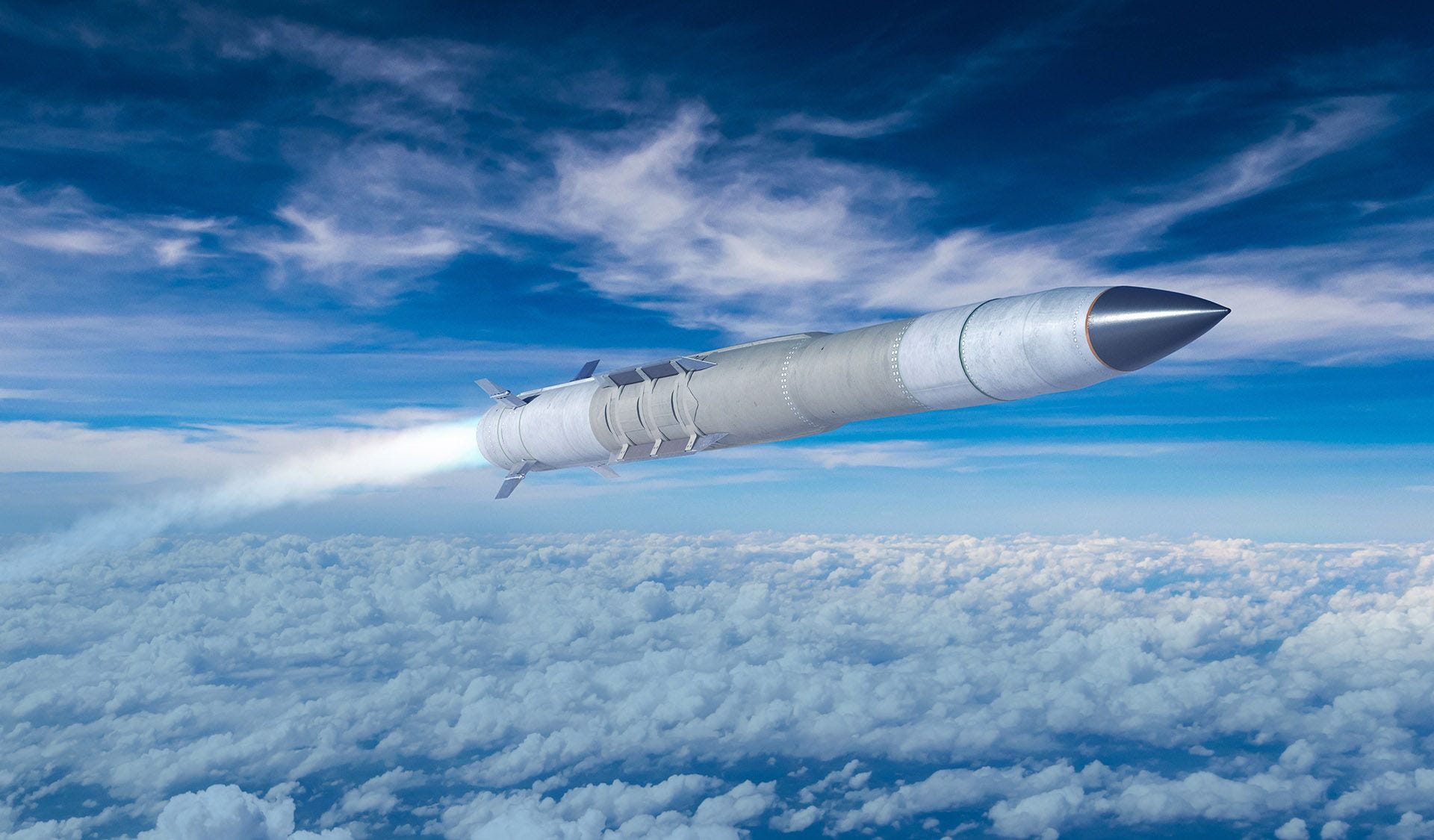
In January 2026, Lockheed Martin and the U.S. government signed a landmark seven-year framework agreement to accelerate PAC-3 Missile Segment Enhancement production from approximately 600 to 2,000 missiles per year. This represents a more than tripling of annual capacity.
Lockheed delivered more than 600 PAC-3 MSEs in 2025, itself a 20% increase over the prior year. The company had already increased production by over 60% over the preceding two years before this new framework was signed.
The PAC-3 MSE intercepts ballistic missiles, cruise missiles, and advanced aircraft. Its battlefield demand has surged as a direct result of ongoing conflicts and the global requirement for modern integrated air defense.
THAAD: Quadrupling Interceptor Output
On January 29, 2026, simultaneously with its full-year financial results, Lockheed Martin announced a second framework agreement with the Department of War to quadruple THAAD interceptor production from 96 to 400 per year. The company currently operates more than 340,000 square feet of dedicated THAAD production space with more than 2,000 employees supporting the program.
To support both THAAD and PAC-3 ramp activities, Lockheed is breaking ground on a new Munitions Acceleration Center in Camden, Arkansas. The facility will use advanced manufacturing, robotics, and digital technologies.
Precision Strike Missile (PrSM): Combat Debut and Scale-Up
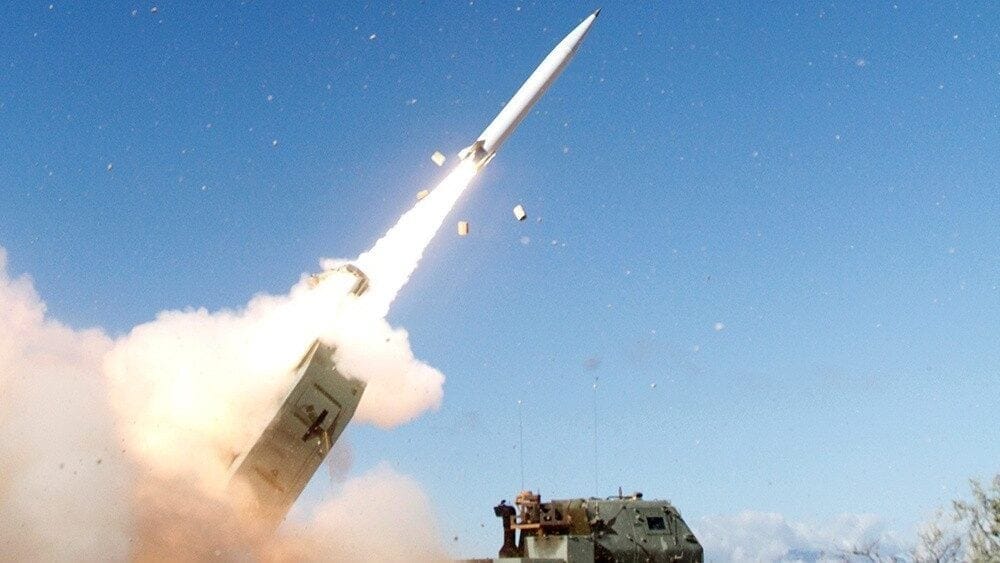
On March 4, 2026, U.S. Central Command confirmed the first combat use of PrSM during Operation Epic Fury, the operation targeting Iran. CENTCOM described it as “an historic first” that demonstrated the system’s “unrivaled deep strike capability.”
PrSM received Army Milestone C approval in July 2025, clearing it for full-rate production. That builds on a $4.94 billion Army contract awarded in 2025 for production, and on March 25, 2026, a new framework agreement to quadruple PrSM production capacity was signed.
The Army is also accelerating development of an anti-ship PrSM variant capable of striking maritime targets at over 1,000 kilometers. This opens a new operational domain for the platform. Lockheed currently operates more than 115,000 square feet of dedicated PrSM production space in the U.S. with more than 400 employees on the program.
Rotary and Mission Systems: From Helicopters to Autonomy
Sikorsky, Lockheed’s helicopter division, secured a five-year contract worth up to $10.9 billion to build up to 99 CH-53K King Stallion heavy-lift helicopters for the U.S. Marine Corps in September 2025. The CH-53K is the only heavy-lift helicopter of its class in production for the USMC.
On the autonomy front, in October 2025 Sikorsky demonstrated the world’s first planned and executed autonomous Black Hawk missions by a U.S. soldier who was not a trained aviator, using MATRIX autonomous flight technology. Sikorsky also converted a Black Hawk into the S-70UAS U-Hawk, the first fully autonomous Black Hawk unmanned aerial system designed for combat resupply.
On the maritime side, Lockheed delivered the first Aegis System Equipped Vessel shipset to Japan in June 2025 and completed the second shipment in March 2026. In November 2025, Lockheed and Germany’s Diehl Defence announced a strategic collaboration to integrate the IRIS-T missile family into Aegis, which would be the first European missile ever integrated into the combat system.
Space: NGI, Golden Dome, and Hypersonic Tracking
The Space segment’s 4% growth in 2025 was driven by strategic and missile defense programs. The Next Generation Interceptor, designed to be the first line of defense within the Ground-based Midcourse Defense system, is a major driver.
Lockheed is advancing construction on an 88,000 square-foot Missile Assembly Building (MAB-5) in Courtland, Alabama scheduled for completion in early 2026. The company is also targeting an on-orbit demonstration of at least one space-based anti-missile interceptor by 2028 as part of the broader Golden Dome national defense initiative.
Major Competitors: The Global Defense Hierarchy
Defense Revenue Ranking (2024 data):
------------------------------------------------------------------
1. Lockheed Martin (USA)   -  ~$68.4B defense revenue
2. RTX (USA)               -  ~$43.5B defense revenue
3. CASIC (China)           -  ~$38.7B defense revenue
4. Northrop Grumman (USA)  -  ~$36.6B defense revenue
5. General Dynamics (USA)  -  ~$36.5B defense revenue
6. BAE Systems (UK)        -  ~$32.3B defense revenue
7. Boeing (USA, defense)   -  ~$31.8B defense revenue
------------------------------------------------------------------
RTX Corporation
RTX, the parent of Raytheon, Pratt & Whitney, and Collins Aerospace, is Lockheed’s closest U.S.-based rival. RTX closed 2025 with a total backlog of $268 billion, including $107 billion in defense and $161 billion in commercial orders, and generated $7.9 billion in free cash flow.
Its defense revenue base is diversified across propulsion, precision weapons (AIM-120 AMRAAM), and radar systems. RTX competes directly with Lockheed in air and missile defense, but its commercial aviation exposure creates a different overall financial profile.
Northrop Grumman
Northrop Grumman holds fourth position globally with approximately $36.6 billion in defense revenue. Its focus areas are stealth aircraft, the B-21 Raider bomber, and space surveillance.
However, Northrop absorbed a $477 million loss on the B-21 program in Q1 2025 due to higher manufacturing and materials costs, a contrast with Lockheed’s F-35 production momentum.
Northrop’s full-year 2025 sales reached approximately $42 billion. It is excluded from the Navy’s sixth-gen fighter program, narrowing its future aircraft platform options.
Boeing Defense
Boeing’s defense unit generated approximately $31.75 billion in military revenue for 2025, representing about 35% of Boeing’s total $89.5 billion in company-wide sales.
Boeing returned to net profitability in 2025 but remains more dependent on commercial aviation recovery.
Its defense portfolio includes the CH-47 Chinook, KC-46 tanker, and F/A-18, but several programs have faced cost overruns and schedule challenges that reduce competitive pressure on Lockheed.
General Dynamics
General Dynamics generated approximately $36.5 billion in defense revenue.
Its dominance in armored vehicles (M1 Abrams), Virginia-class submarines, and secure communications means it competes less directly with Lockheed in air and missile defense.
The competitive overlap is primarily in Space and IT/C4ISR systems.