
Founded in November 1992, Shenzhen Airlines (a state-owned carrier) has evolved into the fifth-largest airline in mainland China.
The airline is now positioning itself for substantial transformation through strategic fleet expansion, network diversification, and a major recapitalization effort that signals confidence in its long-term prospects.
Table of Contents

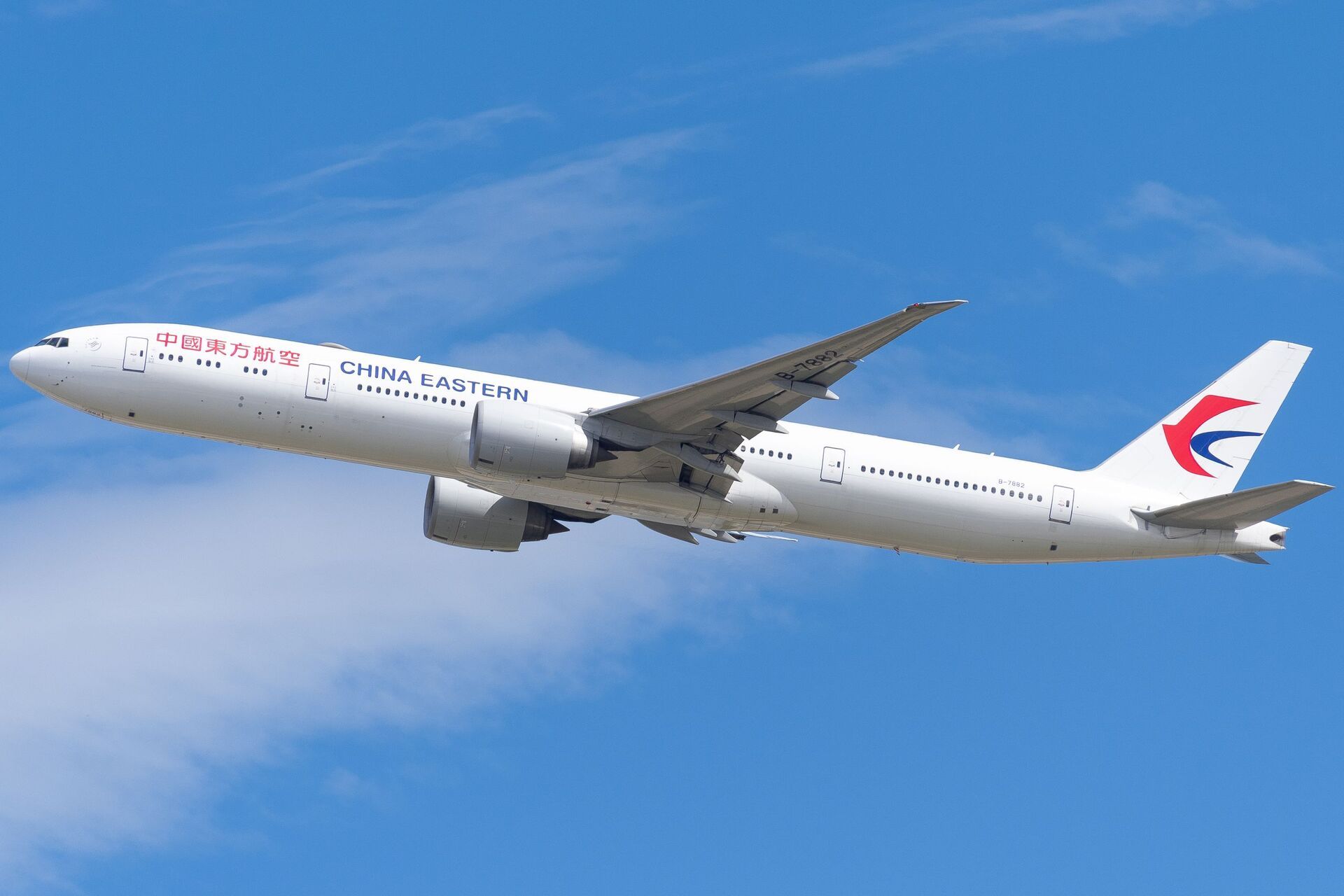
Image source: commons.wikimedia.org
Corporate Structure and Ownership Transformation
Shenzhen Airlines operates under a distinctive ownership structure that reflects the strategic priorities of China’s aviation consolidation.
Air China Limited holds a controlling 51% stake, while Shenzhen International Total Logistics (Shenzhen) Co., Ltd., a subsidiary of the state-owned Shenzhen International Holdings Limited, owns the remaining 49%.
This dual-parent structure provides the airline with both national-level aviation expertise and strong regional government backing.
OWNERSHIP BREAKDOWN (2025)
━━━━━━━━━━━━━━━━━━━━━━━━━━━━━━━━━━━━━━━━━━━━━━━
Air China Limited                            51%
Shenzhen International Total Logistics       49%
━━━━━━━━━━━━━━━━━━━━━━━━━━━━━━━━━━━━━━━━━━━━━━━
Also Read:

In August 2025, Shenzhen Airlines announced a major recapitalization plan totaling RMB 16 billion (approximately USD 2.2 billion). This substantial equity financing initiative addresses the carrier’s accumulated losses while maintaining the existing ownership proportions.
Air China will continue to hold its 51% stake, ensuring no disruption to consolidated financial reporting while providing the airline with essential capital to support fleet modernization and network expansion.
Operational Performance and Fleet Composition
According to the mid-year 2025 financial report from parent company Shenzhen International Holdings, Shenzhen Airlines demonstrated resilient operational metrics despite challenging market conditions.
During the first half of 2025, the carrier transported approximately 20.37 million passengers, achieving passenger traffic of roughly 32.7 billion passenger-kilometers, representing year-over-year increases of 7% and 8%, respectively.
OPERATIONAL METRICS (H1 2025) | VOLUME | YoY CHANGE |
|---|---|---|
Passengers Carried | 20.37 million | +7% |
Passenger-Kilometers | 32.7 billion | +8% |
Fleet Size | 234 aircraft | Stable |
Total Routes Operated | 320 | Expanding |
Domestic Routes | 287 | Core network |
International/Regional Routes | 33 | Growth focus |
As of June 30, 2025, Shenzhen Airlines operated a fleet of 234 aircraft, predominantly comprising Boeing 737 variants and Airbus A320 family jets. The airline’s fleet strategy centers on narrow-body aircraft optimized for domestic and regional Asian operations, with Airbus A330-300 wide-body aircraft deployed on select long-haul international routes.
Fleet Modernization and Expansion Strategy
Shenzhen Airlines has embarked on an aggressive fleet renewal program to improve fuel efficiency and operational economics.
In October 2025, the airline issued a tender through China’s Government Procurement Network for additional Airbus A320neo aircraft, signaling its commitment to next-generation technology.
Subsequently, in November 2025, the carrier launched a tender for the dry lease of eight new Airbus aircraft scheduled for delivery in 2026.
FLEET MODERNIZATION TIMELINE
━━━━━━━━━━━━━━━━━━━━━━━━━━━━━━━━━━━━━━━━━━━━━━━
2025 Q4:  A320neo procurement tender issued
2026:     8 new Airbus aircraft deliveries expected
          Melbourne route launch (A330-300 deployment)
          Continued narrow-body fleet replacement
━━━━━━━━━━━━━━━━━━━━━━━━━━━━━━━━━━━━━━━━━━━━━━━
The A320neo family, equipped with fuel-efficient engines and aerodynamic improvements, delivers approximately 15-20% better fuel efficiency compared to previous-generation aircraft. This technological upgrade positions Shenzhen Airlines to reduce operating costs while meeting increasingly stringent environmental regulations.
To support its operational efficiency, Shenzhen Airlines renewed its engine maintenance partnership with AFI KLM E&M in October 2025. The three-year agreement, covering 2025 through 2027, provides comprehensive maintenance services for the airline’s CFM56-7B engines powering its Boeing 737 fleet.
This long-term partnership ensures reliable technical support while allowing the airline to focus operational resources on network development and service enhancement.
Network Expansion and International Ambitions
Shenzhen Airlines has strategically diversified its route network beyond traditional domestic corridors, targeting high-value international destinations that leverage Shenzhen’s position as a technology and manufacturing hub.
The airline currently operates 320 routes, with 287 domestic services providing the revenue backbone while 33 international and regional routes drive growth and brand visibility.
Middle East Gateway Establishment
In October 2024, Shenzhen Airlines launched its first Middle East route connecting Shenzhen with Doha, Qatar. Operating three times weekly on Tuesdays, Thursdays, and Sundays using Airbus A330-300 aircraft, this route serves multiple strategic purposes.
It provides direct connectivity for business travelers between China’s manufacturing heartland and the Gulf region, facilitates connections through Doha’s Hamad International Airport to European and African destinations via codeshare partnerships, and establishes Shenzhen Airlines’ presence in the lucrative Middle East aviation market.
Also read:


Oceania Expansion: Melbourne Launch
Shenzhen Airlines made aviation history on December 22, 2025, launching direct flights between Shenzhen and Melbourne, marking the carrier’s first service to Australia and the Oceania region.
Operating three times weekly on Mondays, Thursdays, and Saturdays, this route utilizes Airbus A330-300 aircraft configured with 309 seats across three cabins: 18 business class, 24 premium economy, and 267 economy seats.
SHENZHEN-MELBOURNE ROUTE DETAILS | |
|---|---|
Launch Date | December 22, 2025 |
Frequency | 3x weekly (Mon, Thu, Sat) |
Aircraft Type | Airbus A330-300 |
Flight Time | 11 hours 5 minutes |
Distance | 4,655 miles (7,493 km) |
Cabin Configuration | Business: 18 / Premium Economy: 24 / Economy: 267 |
This Melbourne route represents a pivotal milestone in Shenzhen Airlines’ global strategy, serving as a vital air bridge connecting southern China’s advanced manufacturing and technology sectors with Australia’s resource-rich economy and growing Chinese diaspora community.
The route facilitates trade, tourism, and educational exchanges between Guangdong Province and Victoria State.
Star Alliance Membership Benefits
Shenzhen Airlines’ membership in Star Alliance, the world’s largest global airline network, provides significant competitive advantages.
Passengers holding elite status with any Star Alliance carrier, including United Airlines, Lufthansa, ANA, and Singapore Airlines, receive reciprocal benefits when flying Shenzhen Airlines.
These benefits encompass priority check-in, lounge access, priority boarding, extra baggage allowances, and mileage accrual and redemption across the alliance’s 26 member airlines serving over 1,300 destinations worldwide.
For Shenzhen Airlines, Star Alliance membership enables codeshare agreements that extend its virtual network far beyond its physical route map.
It also enhances its appeal to international business travelers who value status recognition, provides access to sophisticated IT systems and best practices from global aviation leaders, and facilitates interline connectivity that makes Shenzhen a viable hub for transcontinental journeys.
Also Read:


Financial Challenges and Recovery Trajectory
Despite operational growth, Shenzhen Airlines continues to face significant financial headwinds.
According to the Shenzhen International Holdings interim report, the airline recorded a net loss of RMB 834 million (approximately HK$898 million or USD 115 million) in the first half of 2025.
However, this represents a substantial improvement, with losses narrowing by RMB 541 million (HK$589 million) year-over-year, indicating meaningful progress toward breakeven operations.
FINANCIAL TRAJECTORY (H1 2025)
━━━━━━━━━━━━━━━━━━━━━━━━━━━━━━━━━━━━━━━━━━━━━━━
Net Loss:           RMB 834 million
Loss Reduction:     RMB 541 million YoY
Improvement Rate:   39% reduction in losses
Capital Injection:  RMB 16 billion planned
━━━━━━━━━━━━━━━━━━━━━━━━━━━━━━━━━━━━━━━━━━━━━━━
The persistent losses stem from several structural challenges confronting Chinese aviation.
Intensifying competition in the domestic civil aviation market has compressed yields, particularly on trunk routes where multiple carriers compete. A demographic shift toward more budget-conscious travelers has pressured premium cabin revenues and ancillary income. The extensive high-speed rail network, particularly on routes under 800 kilometers, diverts passengers from air travel while offering competitive journey times and lower fares.
Additionally, elevated fuel costs and aircraft lease obligations continue to strain profitability despite improving load factors.
The RMB 16 billion recapitalization provides a critical financial cushion, enabling the airline to weather short-term turbulence while investing in fleet modernization, network development, and service quality improvements necessary for long-term competitiveness.
Strategic Outlook for 2026 and Beyond
Near-Term Priorities (2026-2027)
Shenzhen Airlines’ immediate strategic focus centers on consolidating its international route network while stabilizing domestic market share.
The Melbourne and Doha routes require time to mature and achieve sustained profitability, necessitating disciplined capacity management and targeted marketing to business and leisure segments.
The delivery of eight new Airbus aircraft in 2026 will enable frequency increases on existing routes and selective new route launches to underserved markets in Southeast Asia and Northeast Asia.
Cost reduction initiatives will intensify through fleet standardization (reducing the variety of aircraft types lowers training, maintenance, and inventory costs), digital transformation of customer service and operational processes, strategic partnerships with AFI KLM E&M and other MRO providers to optimize maintenance expenses, and enhanced ancillary revenue programs targeting baggage, seat selection, and bundled service packages.
Medium-Term Ambitions (2027-2030)
The airline plans to expand its Southeast Asian footprint with additional services to Vietnam, Thailand, Indonesia, and the Philippines.
In November 2025, Shenzhen Airlines launched a new route connecting Hai Phong, Vietnam, with Shenzhen, exemplifying its strategy to penetrate secondary cities with strong trade and investment linkages to Guangdong Province.
Shenzhen Airlines will leverage Air China’s hub at Beijing Capital International Airport and Beijing Daxing International Airport to extend its effective network reach through seamless connections, shared ground handling, and coordinated scheduling.
All these positions Shenzhen as a gateway to southern China while feeding traffic into Air China’s intercontinental services to Europe, North America, and Oceania.
Industry Context and Competitive Environment
There are expectations of robust recovery prospects for 2026 as pent-up international travel demand materializes and corporate travel budgets normalize.
The “big three” state-owned carriers (Air China, China Eastern, and China Southern) returned to profitability in 2025, setting a positive precedent for second-tier carriers like Shenzhen Airlines.
However, the competitive landscape remains intense. Low-cost carriers continue expanding capacity on price-sensitive routes, while full-service carriers differentiate through premium products, frequent flyer programs, and alliance connectivity.
Shenzhen Airlines must navigate this competitive terrain by capitalizing on its unique positioning as a regionally-focused carrier with Star Alliance backing and strong government support from both national and Shenzhen municipal authorities.

My Final Thoughts
Shenzhen Airlines enters 2026 in a state of strategic transformation. The RMB 16 billion recapitalization provides financial stability to execute its ambitious fleet renewal and network expansion plans.
The successful launch of the Melbourne route demonstrates the airline’s capability to develop and operate complex long-haul international services, while the Doha connection establishes a foothold in the strategically important Middle East market.
Monitor several key indicators to assess the airline’s trajectory: quarterly loss reduction trends and path to profitability, utilization rates and load factors on Melbourne and Doha routes, success in attracting premium passengers through enhanced service offerings, progress in fleet modernization and retirement of older, less efficient aircraft, and expansion of codeshare partnerships within the Star Alliance network.
While challenges remain formidable, including ongoing domestic competition, high-speed rail substitution, and the need to achieve consistent profitability, Shenzhen Airlines’ strategic positioning, government backing, and international network expansion provide a foundation for sustainable growth.
The next 24 months will prove critical in determining whether Shenzhen Airlines can capitalize on its investments and strategic initiatives to join China’s aviation elite, or whether it will continue struggling with the structural challenges that have plagued its financial performance.
Early indicators from the Melbourne launch and improved first-half 2025 results suggest momentum is building, but sustained execution will be essential to achieving long-term success in one of the world’s most competitive and dynamic aviation markets.