
Vertical Aerospace Ltd. stands at a transformative inflection point as the company transitions from prototype development to a commercial aviation manufacturer.
With its newly unveiled Valo eVTOL aircraft and strategic partnerships spanning the global aerospace sector, the Bristol-based company is positioning itself to lead the advanced air mobility (AAM) revolution while generating substantial economic value for the United Kingdom.
Table of Contents

Also Read:
The Decisive 2026 Critical Design Review Milestone
CEO Stuart Simpson describes mid-2026 as Vertical Aerospace’s most decisive turning point. The Critical Design Review (CDR) represents what Simpson calls a “pens down” moment for engineers, when the aircraft design becomes frozen and the company begins constructing seven certification aircraft.
This milestone is not merely procedural but represents years of collaboration with regulatory authorities under the UK’s Permit to Fly system, embedding engineering processes and oversight that reduce certification risk.
Following CDR, Vertical will advance through the European Union Aviation Safety Agency’s stringent SC-VTOL regulatory process. The company requires an additional $700 million to complete certification through 2028, an amount Simpson frames as evidence of capital discipline compared to peers who have spent similar sums in single years.
However, cash flow breakeven is not expected until the fourth quarter of 2029, with meaningful cash generation targeted into 2030.
Key Milestones | Timeline |
|---|---|
Critical Design Review (CDR) | Mid-2026 |
Type Certification (UK CAA/EASA) | 2028 |
Commercial Service Launch | Late 2028/Early 2029 |
Cash Flow Breakeven | Q4 2029 |
Meaningful Cash Generation | 2030+ |
From VX4 to Valo: Evolution of Commercial Design
On December 10, 2025, Vertical unveiled the Valo, the production-intent version of its VX4 prototype.
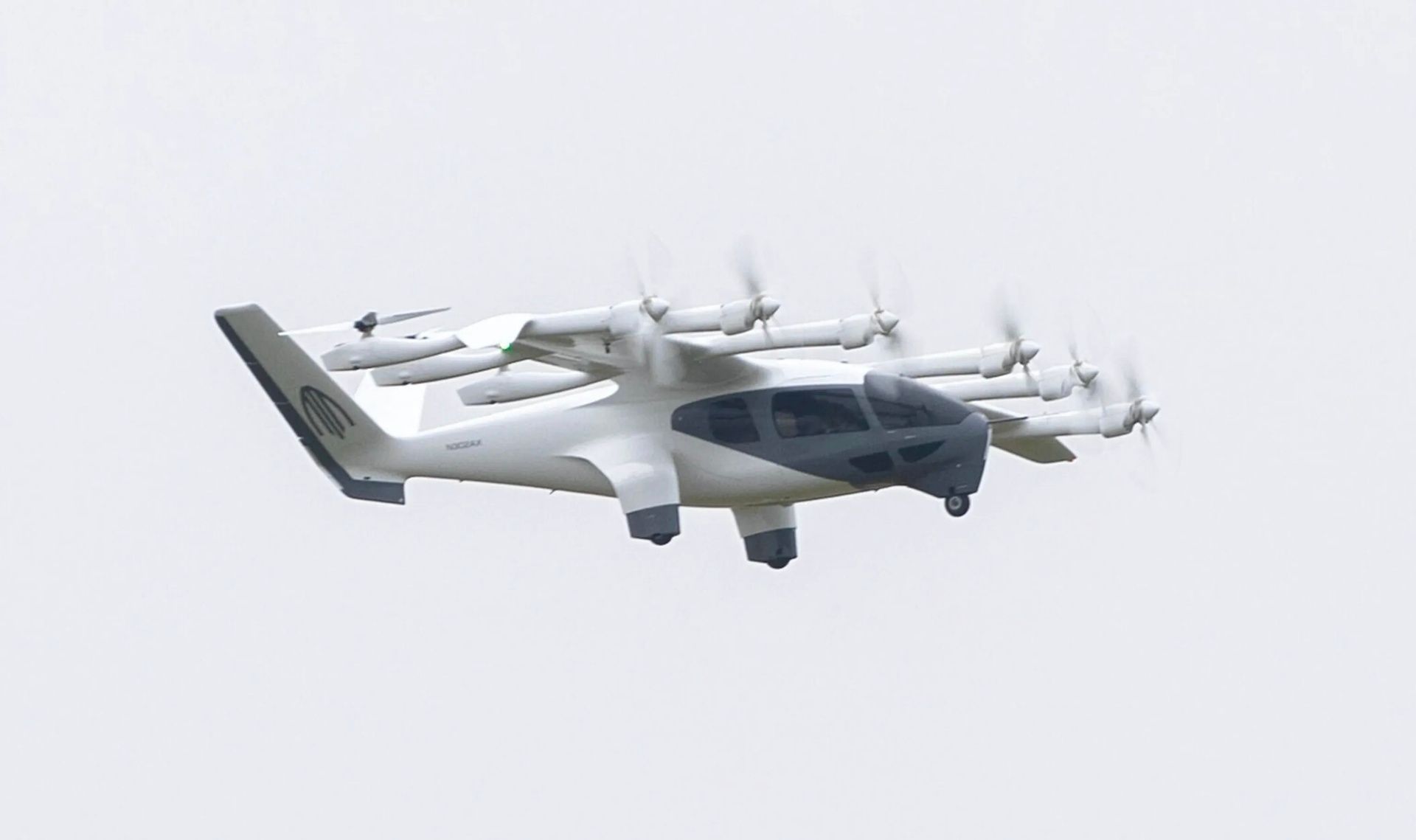
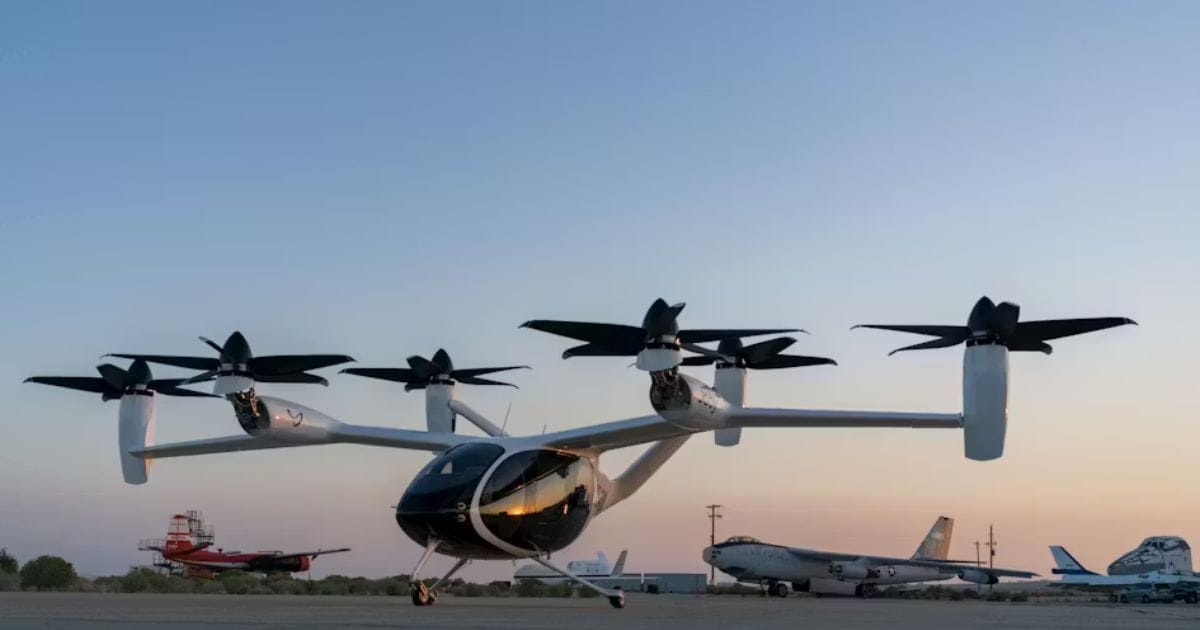
The aircraft represents significant aerodynamic improvements shaped by ongoing flight testing and direct customer feedback. Notable design updates include a more rounded and shorter nose than the VX4, wing tips that curve slightly downward, and markedly more sculpted booms holding the electric propulsion units.
The most substantial changes appear in the empennage and tail configuration.
While retaining the V-tail design, the Valo features a markedly lower tail with an added tail wheel, abandoning the previous tricycle gear layout for improved aerodynamic efficiency.
The transition between the rear fuselage and tail is considerably smoother, reflecting lessons learned from wind tunnel testing and computational fluid dynamics analysis.
VALO TECHNICAL SPECIFICATIONS
━━━━━━━━━━━━━━━━━━━━━━━━━━━━━━━━━━━
Range:           Up to 100 miles
Maximum Speed:   Up to 150 mph
Seating:         4 passengers + 1 pilot (up to to 6 passengers)
Emissions:       Zero operating emissions
Noise:           Virtually imperceptible in urban environments
Safety Standard: Commercial airliner-level certification
Cargo Capacity:  6 cabin bags + 6 checked bags (largest in class)
The Valo platform supports multiple configurations beyond passenger transport, including emergency medical services, cargo missions, and future defense applications.
Vertical is simultaneously developing a hybrid-electric VTOL variant designed for routes up to 1,000 miles or payloads of 1,100kg, with flight testing scheduled to begin in mid-2026.
Strategic Partnerships Anchoring Technical Development
Vertical’s collaborative approach brings together an international network of aerospace leaders.
The company has established critical partnerships with Honeywell for avionics and flight controls, Leonardo for fuselage and pylons, GKN Aerospace for electrical wiring and wing structures, and Molicel for battery cells.
In May 2025, Vertical expanded its partnership with Honeywell through an agreement with a projected contract value of up to $1 billion over the next decade.
These partnerships extend beyond simple supplier relationships.
Rockwood Composites in the South West of England works directly with Vertical’s engineers to co-develop propeller designs using innovative compression molding technology. This joint approach allows Rockwood to adapt its technology to aerospace applications that would not have emerged otherwise.
Similarly, Bristow Group, one of the world’s largest helicopter operators, has developed a full-service “ready-to-fly” operating model, placing pre-orders for 50 Valo aircraft.
Partner | Component/Service | Strategic Value |
|---|---|---|
Honeywell | Avionics, flight controls | $1B+ projected contract value |
Leonardo | Fuselage, pylons | Carbon composite expertise |
GKN Aerospace | Electrical wiring, wing structures | Advanced manufacturing capability |
Rockwood Composites | Propellers | Co-development, UK-based capacity |
Bristow Group | Operations, services | 50 aircraft pre-orders, operational expertise |
Aciturri Aerostructures | Airframes | Manufacturing partnership |
Substantial UK Economic Impact Projections
An independent report from Frontier Economics released in December 2025 projects that Vertical Aerospace will generate nearly £3 billion in annual economic value for the UK by 2035.
The company currently employs 479 people, with 95% based in Bristol and Kemble, paying wages up to twice sector and regional averages. Conservative employment projections show growth to approximately 2,200 jobs by 2035.
Total revenues are projected to reach nearly £9 billion by 2035, with around 90% generated from international sales, positioning Vertical as a future leading aerospace exporter.
Despite being in the pre-revenue phase, the company already contributes significantly through PAYE, National Insurance Contributions, and VAT, with taxes remitted exceeding the value of R&D tax credits received on average. By 2035, tax contributions could approach £800 million per year.
Between 2022 and 2024, more than 60% of Vertical’s procurement expenditure (£112 million) was retained in the UK, with approximately £35 million directed to suppliers in the South West region.
Government-endorsed local jobs multipliers suggest 1.9 jobs are supported in Bristol for each direct job created, indicating more than 720 indirect jobs currently supported in the region.

Image source: verticalmag.com
Flight Testing Progress and Regulatory Validation
Vertical achieved significant milestones throughout 2025.
In February, the company successfully completed its piloted thrustborne flight testing phase. By May, it achieved the first piloted wingborne flight test of a commercial eVTOL aircraft in Europe. In July, Vertical completed the world’s first public airport-to-airport piloted flight, demonstrating operational feasibility in real-world aviation infrastructure.
The company is the only eVTOL aircraft original equipment manufacturer actively pursuing certification from the UK Civil Aviation Authority, with expected concurrent validation from EASA.
Vertical also maintains active validation programs with the US Federal Aviation Administration, Japan Civil Aviation Bureau, and Brazil’s National Civil Aviation Agency, positioning the aircraft for global market access.
Customer Orders and Market Positioning
Vertical has secured approximately 1,500 pre-orders from leading global operators, including American Airlines, Bristow, Avolon, Air Asia, GOL Airlines, Flying Group, Kakao Mobility, and Japan Airlines.
Most recently, the company announced Héli Air Monaco as a new customer, intending to operate the Valo aircraft in the Mediterranean region.


Bristow’s partnership exemplifies the operational integration strategy. The company sees potential for early deployment on routes connecting remote Scottish islands with mainland airports before scaling into feeder services for major airlines.
This approach delivers socially beneficial connectivity improvements while building operational experience in less congested airspace.
Financial Position and Capital Requirements
Vertical’s Q3 2025 financial performance aligned with expectations, with the company maintaining its full-year guidance of $110 million to $125 million in net operating cash outflow.
Between 2021 and 2024, total investments raised exceeded £500 million, with £66 million from UK public sources, representing a leverage ratio of more than 6:1 for private capital mobilization.
The company’s business model projects three distinct revenue streams: battery-powered eVTOL aircraft (expected to account for approximately 57% of revenues by 2035), hybrid VTOL aircraft (approximately 19% by 2035), and aftermarket services including battery pack replacements, spare parts, and pilot training.
Following certification and commercial rollout in 2029, Vertical projects an average annual revenue growth rate of 60% between 2030 and 2035.
PROJECTED REVENUE STREAMS BY 2035
━━━━━━━━━━━━━━━━━━━━━━━━━━━━━━━━━━━
Battery-Powered eVTOL Aircraft:    ~57%
Hybrid VTOL Aircraft:              ~19%
Aftermarket Services:              ~24%
  - Battery Pack Replacements
  - Spare Parts
  - Training Services
━━━━━━━━━━━━━━━━━━━━━━━━━━━━━━━━━━━
Total Projected Revenue:           ~£9 billion
Export Percentage:                 ~90%
Manufacturing Strategy and UK Facilities
In September 2025, Vertical announced manufacturing facilities at Cotswold Airport (Kemble) for initial VX4 production and a battery manufacturing facility adjacent to the Vertical Energy Centre in Avonmouth.
These sites will play central roles in supporting the aircraft’s certification process. The company plans to invest approximately £400 million in these facilities between now and 2035.
The extent to which additional production facilities remain UK-based will significantly impact employment projections. If future manufacturing capacity is located domestically, the majority of value generation would benefit the UK economy.
However, some production and headcount could potentially be located abroad once worldwide certification is achieved, particularly for cost competitiveness in component manufacturing.
Challenges and Risk Factors
Despite substantial progress, Vertical faces several challenges common to emerging aerospace manufacturers. The company remains pre-revenue with ongoing losses, keeping funding risk firmly in focus.
The eVTOL sector has witnessed setbacks among competitors, including certification delays and financial pressures. Vertical’s ability to secure the remaining $700 million needed for certification while maintaining investor confidence will be critical.
Technical challenges persist in scaling battery technology to achieve commercially viable energy density while maintaining safety standards.
The company must also demonstrate operational economics that make eVTOL services cost-competitive with helicopters and ground transportation alternatives.
Regulatory pathways, while well-defined, remain untested for this new aircraft category at commercial scale.
Strategic Alignment with UK Industrial Policy
Vertical’s activities align closely with the UK’s Modern Industrial Strategy and Advanced Manufacturing Plan, which prioritize the development of emerging advanced air mobility and battery technologies.
The company supports clean growth objectives through zero-emission aircraft development while contributing to defense capabilities through dual-use aircraft applications outlined in the Strategic Defence Review.
The company’s role in the West of England aerospace cluster adds new eVTOL capability to a region already known for advanced manufacturing.
Regional leaders recognize Vertical as a key driver of clean aviation and advanced manufacturing, with the potential to create high-quality jobs, support local suppliers, and attract new investment partnerships.
My Final Thoughts
Vertical Aerospace Ltd. enters 2026 with substantial momentum in flight testing, regulatory engagement, and partnership development.
The mid-2026 Critical Design Review represents a defining moment that will determine whether the company successfully transitions from aerospace innovator to commercial manufacturer.
With certification targeted for 2028 and commercial service launch in late 2028 or early 2029, the next three years will prove decisive in establishing whether Vertical can deliver on its substantial economic projections and help define the future of urban and regional air mobility.