
Volocopter GmbH, once a pioneering force in the global urban air mobility (UAM) sector, has emerged from insolvency proceedings with renewed momentum following its acquisition by Diamond Aircraft in March 2025.
The German eVTOL developer’s journey through financial turbulence to strategic reorganization offers critical insights into the challenges and opportunities facing the advanced air mobility industry.
Table of Contents

Corporate Transformation and Ownership Structure
On December 26, 2024, Volocopter filed for insolvency proceedings at the Karlsruhe Local Court, marking a pivotal moment for the Bruchsal-based company. The insolvency came despite backing from industry giants including Mercedes-Benz and Honeywell, highlighting the capital-intensive nature of eVTOL development.
The rescue came swiftly. By March 2025, China-based Wanfeng Auto Holding Group Co., Ltd., through its subsidiary Diamond Aircraft Group Austria, acquired Volocopter for €10 million.
This acquisition price stands in stark contrast to Volocopter’s asset and intellectual property valuation of €42 million, reflecting the company’s distressed financial position.
ACQUISITION DETAILS (March 2025)

Acquiring Entity: Diamond Aircraft Group Austria
Parent Company: Wanfeng Auto Holding Group Co., Ltd.
Transaction Value: €10 million (approximately $10.9 million)
Asset Valuation: €42 million
Headquarters Retention: Bruchsal, Germany
Brand Status: Volocopter brand name retained
Diamond Aircraft, founded in 1981 and headquartered in Wiener Neustadt, Austria, brings substantial aviation manufacturing expertise to the partnership.
With over 1,500 employees worldwide and more than 5,500 certified aircraft currently in operation, Diamond’s track record in aircraft certification provides Volocopter with a critical advantage.
Product Portfolio and Technical Specifications
Volocopter’s aircraft lineup demonstrates a strategic approach to serving different segments of the UAM ecosystem. The company’s primary focus remains on three distinct aircraft models, each designed for specific operational profiles.
Aircraft Model | Passengers | Range | Cruise Speed | Max Speed | Propulsion System | Target Certification |
|---|---|---|---|---|---|---|
VoloCity | 1-2 | 35 km | 110 km/h | N/A | 18 fixed-pitch electric rotors | Q4 2026 |
VoloRegion | 4 | 100 km | 180 km/h | 250 km/h | Hybrid lift-and-cruise (6 rotors + 2 propulsion fans) | Q4 2026 |
VoloDrone (Cargo) | N/A | 40 km | N/A | N/A | Electric multirotor | Operational |
VoloCity: The Urban Air Taxi Pioneer
The VoloCity represents Volocopter’s flagship urban air mobility solution. Featuring 18 fixed-pitch rotors arranged in a distinctive circular configuration, the aircraft utilizes redundant electric propulsion technology for safe, sustainable flight operations in lower airspace.
The design prioritizes safety through multiple redundant systems, with the ability to continue flight even if multiple rotors fail.
The VoloCity accommodates one pilot and one passenger with a payload capacity between 150-200 kg. Its 35-kilometer range positions it for short urban hops, such as airport-to-city-center connections or inter-district travel in metropolitan areas.
The aircraft’s notably quiet operation, a result of distributed electric propulsion, addresses one of the key concerns for urban operations.
VoloRegion: Extended Range Capabilities
The VoloRegion, previously known as VoloConnect before a 2022 rebrand, employs a fundamentally different design philosophy. This lift-and-cruise configuration combines six electric rotors for vertical takeoff and landing with two propulsion fans for efficient forward flight.
The aircraft can transport up to four passengers across 100-kilometer routes at a cruise speed of 180 km/h, with peak speeds reaching 250 km/h.
This extended range capability positions the VoloRegion for regional connectivity missions, linking cities with suburban areas or connecting nearby metropolitan regions.
The first flight of the VoloRegion prototype occurred in May 2022, demonstrating the viability of the hybrid design concept.
Certification Pathway and Regulatory Progress
Volocopter’s certification journey with the European Union Aviation Safety Agency (EASA) represents one of the most advanced eVTOL programs globally. The company holds Design Organization Approval (DOA) and Production Organization Approval (POA) from EASA, making it one of the few eVTOL developers with these critical certifications.
According to Urban Air Mobility News, Volocopter now targets the end of 2026 for EASA type certification of the VoloCity, with commercial operations planned for 2027. This revised timeline reflects delays caused by the insolvency proceedings and subsequent restructuring.
However, the addition of Diamond Aircraft’s experienced certification team provides significant advantages in navigating the complex regulatory requirements.
CERTIFICATION MILESTONES

EASA Design Organization Approval (DOA): Achieved
EASA Production Organization Approval (POA): Achieved
Total Test Flights Completed: Over 2,000
VoloCity Target Type Certification: Q4 2026
VoloRegion Target Certification: Q4 2026
Planned Commercial Launch: 2027
The company has completed more than 2,000 public and private test flights, demonstrating the maturity of its technology platform. Diamond Aircraft’s involvement brings expertise from certifying multiple aircraft models under both EASA and FAA regulations, potentially accelerating Volocopter’s path to certification.
Strategic Partnerships and Market Positioning
Despite financial challenges, Volocopter has maintained and expanded its network of strategic partnerships throughout 2025, signaling continued industry confidence in the company’s technology and market positioning.
In February 2025, Volocopter signed an agreement with Jet Systems Hélicoptères Services to launch eVTOL operations in France, beginning with Paris. The partnership includes an order for two VoloCity aircraft and establishes Jet Systems as a key operational partner for French market entry.
Additionally, Volocopter deepened its partnership with ADAC Luftrettung, Germany’s leading air rescue service, to integrate VoloCity aircraft for emergency medical services. This collaboration positions Volocopter in the high-value emergency services segment, where rapid response times and vertical flight capabilities offer significant operational advantages.
The company also established partnerships with Bristow Group for UAM services in the United States and United Kingdom, and with Euro Flight Test for developing eVTOL test pilot training programs. These partnerships demonstrate Volocopter’s comprehensive approach to building the complete ecosystem required for commercial UAM operations.
Competitive Position and Industry Context
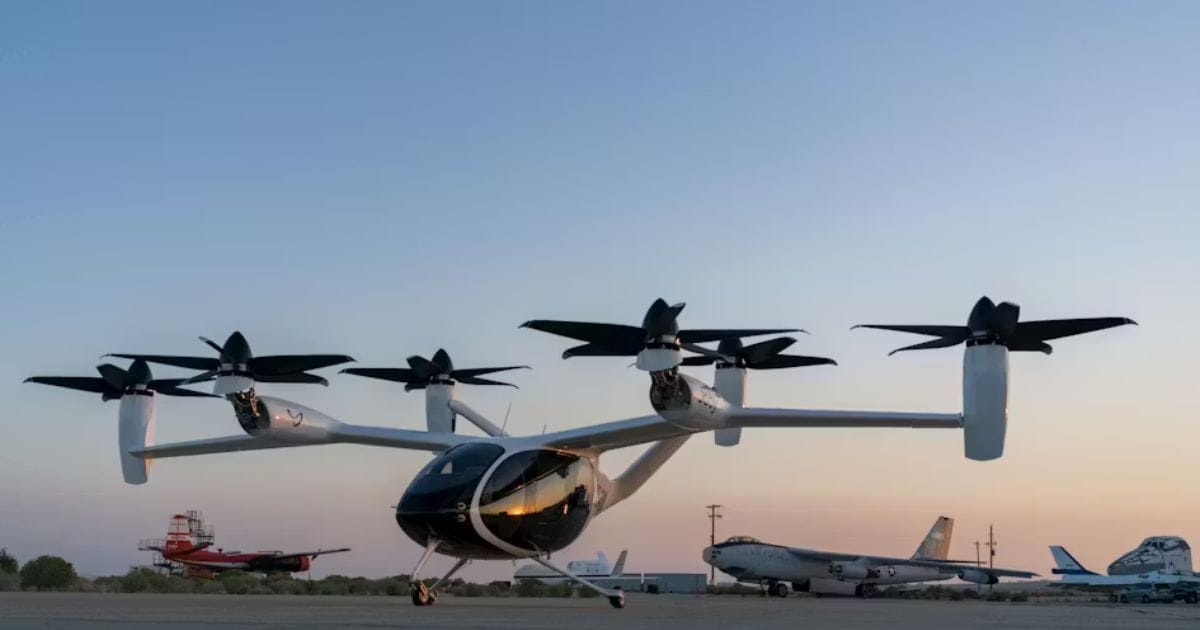
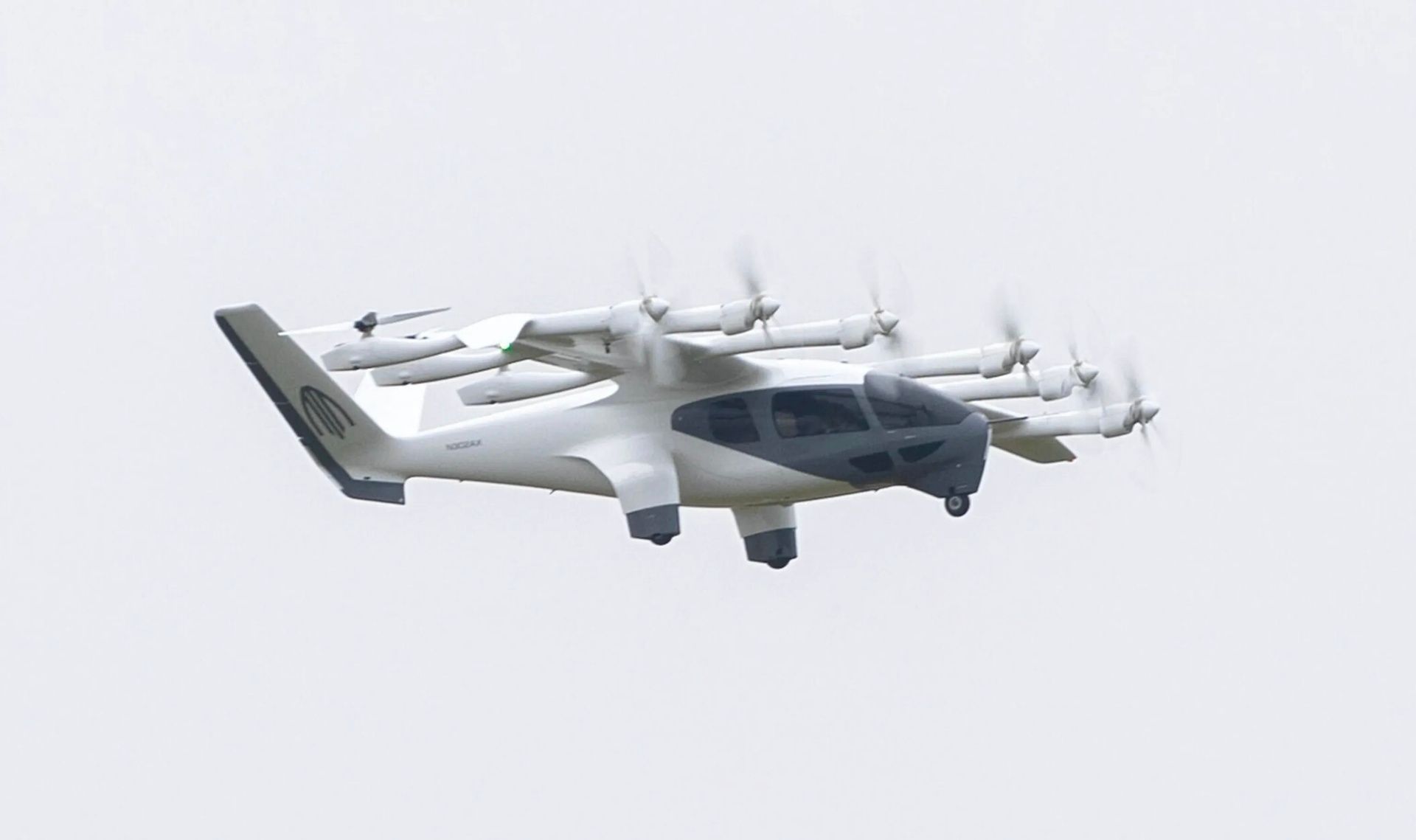
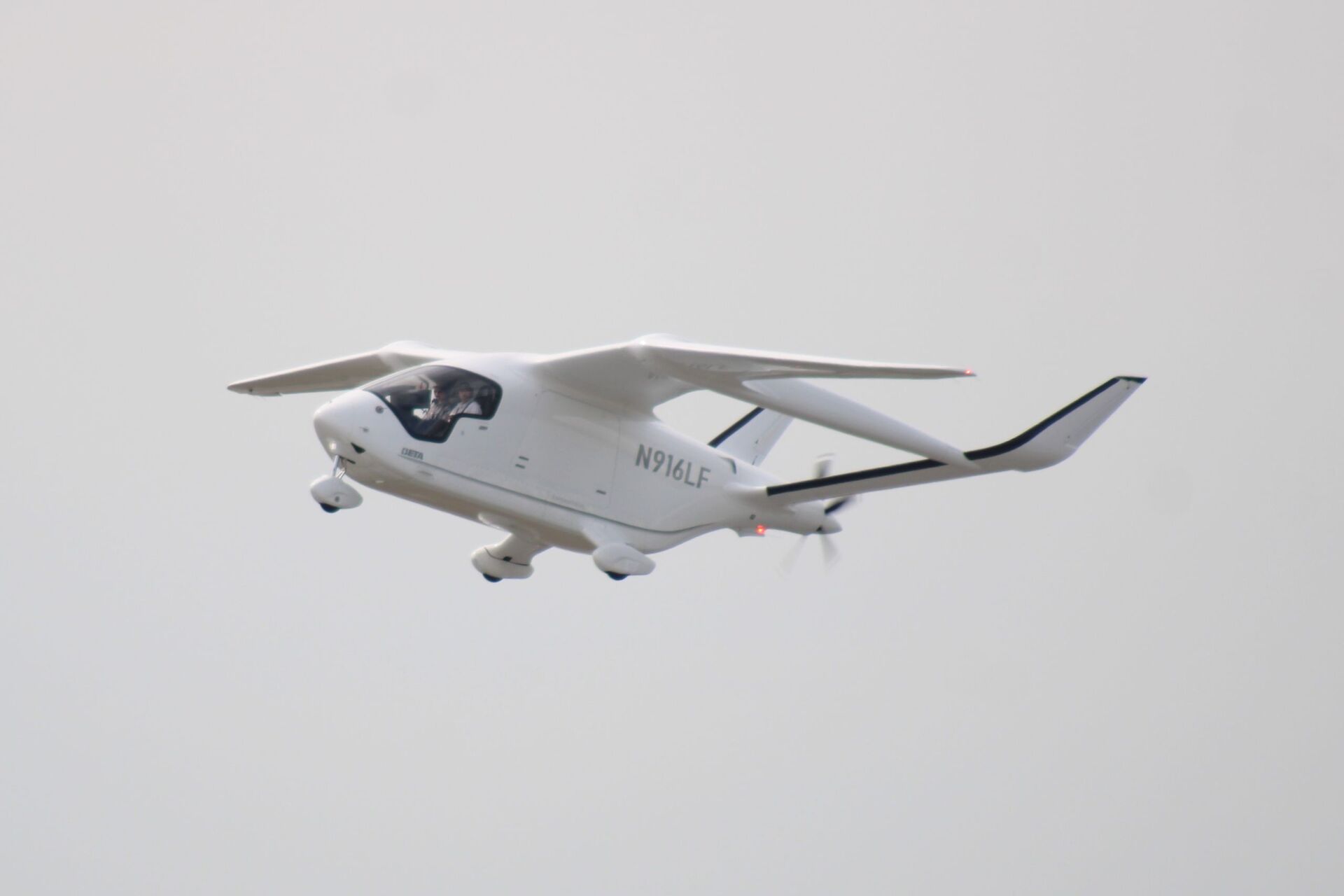
Volocopter operates within an intensely competitive global eVTOL sector, where numerous well-funded competitors are racing toward certification. The company’s experience highlights both the opportunities and risks inherent in this emerging industry.
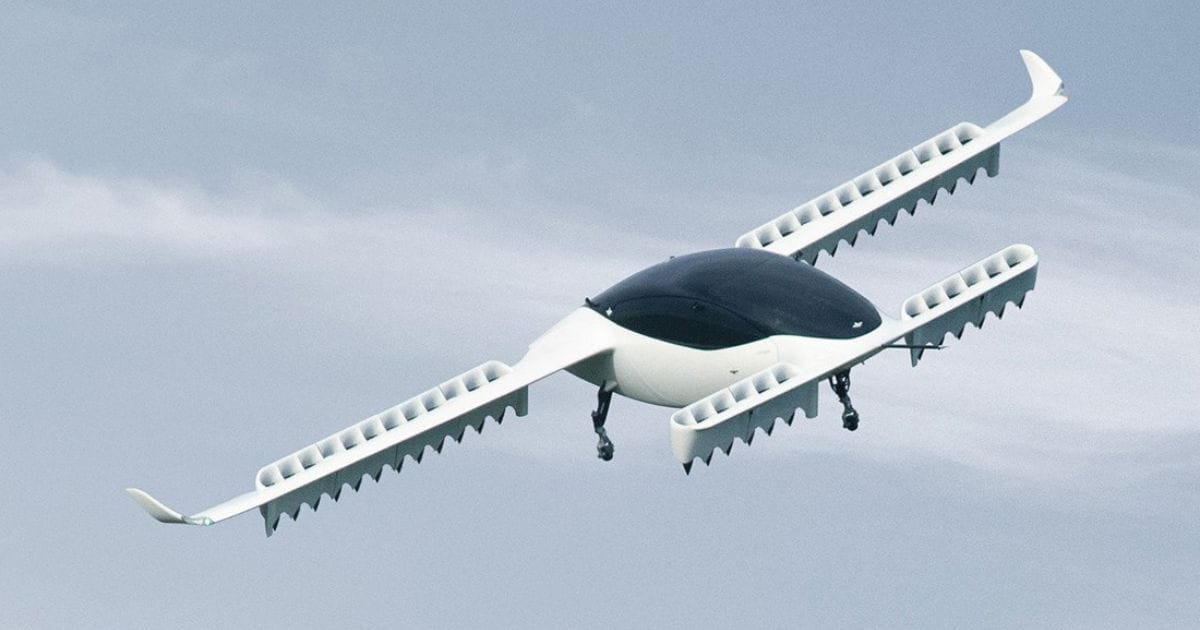
The insolvency of both Volocopter and fellow German eVTOL developer Lilium in late 2024 underscored the capital requirements and execution challenges facing the sector.
However, Volocopter’s successful emergence from insolvency, backed by an established aircraft manufacturer, differentiates it from competitors that have ceased operations.
The company’s emphasis on obtaining EASA certification first positions it well for the European market, which many industry observers expect to approve eVTOL operations before the United States. Volocopter’s regulatory progress, combined with over 2,000 test flights, provides substantial validation of its safety case and technical approach.
Future Outlook and Strategic Initiatives
Under Diamond Aircraft’s ownership, Volocopter is pursuing an ambitious program to accelerate certification while maintaining operational visibility.
In November 2025, the company announced plans to launch Europe’s first eVTOL sandbox program in 2026. This initiative will simulate near-commercial flight operations to validate point-to-point missions and support type certification efforts.
The sandbox program represents a critical step toward demonstrating operational readiness beyond pure technical certification. By conducting sustained operations in real-world conditions, Volocopter aims to validate its aircraft performance, maintenance procedures, and operational software platforms.
Diamond’s manufacturing facilities in Austria and Canada, combined with Volocopter’s existing production sites in Germany, provide a robust industrial base for scaled manufacturing once certification is achieved. This integrated manufacturing capability addresses one of the key challenges facing eVTOL startups: transitioning from prototype development to serial production.
The company’s product roadmap continues to include both the VoloCity for urban missions and the VoloRegion for longer-range regional connectivity. This dual-platform strategy allows Volocopter to address multiple market segments while leveraging common subsystems and certification work across both aircraft.
For aviation industry professionals, Volocopter’s trajectory offers important lessons about the financial realities of eVTOL development, the critical value of regulatory progress, and the potential for established aerospace manufacturers to play decisive roles in bringing advanced air mobility to commercial reality. The company’s ability to maintain certification momentum through ownership transition demonstrates the resilience of its underlying technology platform and regulatory strategy.
As the industry enters what many analysts expect to be a pivotal 2026-2027 period for initial certifications and commercial launches, Volocopter’s combination of technical maturity, regulatory progress, and manufacturing partnership positions it as a significant player in determining whether urban air mobility can transition from concept to operational reality.