


Dear Readers, Welcome to AviationOutlook.
The Boeing 777X program has produced more than 30 aircraft that sit stored at Everett’s Paine Field, some since 2019.
Now, a surprising potential buyer has emerged for the earliest of these jets.
United Airlines is reportedly evaluating the acquisition of up to 20 early-build 777-9s that other carriers have declined to accept. The Chicago-based carrier has never ordered the 777X, but these orphaned airframes could make it the US launch operator for the type.
Meanwhile, Emirates President Tim Clark publicly confirmed that his airline would refuse delivery of the first 10 or 11 early-build 777-9s produced for the carrier.
Key Facts at a Glance:
- 30+ 777-9s built and stored at Paine Field since 2019
- Emirates rejecting first 10-11 early-build jets
- United Airlines eyeing up to 20 of these aircraft
- FAA certification now expected in 2027
- Program is 7 years behind original scheduleLatest Recommended Posts


Read All Reports
The Early-Build 777-9 Problem
Boeing built dozens of 777-9 airframes early, expecting the type to enter service by January 2020. That timeline collapsed after the 737 MAX accidents triggered a fundamental shift in how the FAA reviewed Boeing programs.
Regulators applied far tighter scrutiny across the manufacturer’s entire portfolio. The 777X flight control software and its version of the Maneuvering Characteristics Augmentation System (MCAS) came under intense review. Each round of regulatory review pushed the entry into service date further out.
The aircraft built during the original schedule remained on the ground while the certification standard around them moved. Requirements that did not exist when those frames were assembled now apply to them.
This gap between original build specification and current certification standard is the source of the massive rework burden.
Boeing 777X Timeline:
2013: Program officially launched
2019: First 777-9 flight test begins
2020: Original target for entry into service
2026: FAA clears TIA phase 4b certification work
2027: Current expected first delivery (7 years late)
Boeing CEO Kelly Ortberg confirmed on the Q1 2026 earnings call that change incorporation will take years to complete across the stored fleet. The older the airplane, the more structural changes are needed. The newer ones require mostly minor upgrades.
Ortberg said Boeing will bring all the airplanes down to a common configuration level and then incorporate the changes. A dedicated team within Boeing Commercial Airplanes focuses specifically on this work, separate from normal 777 production.
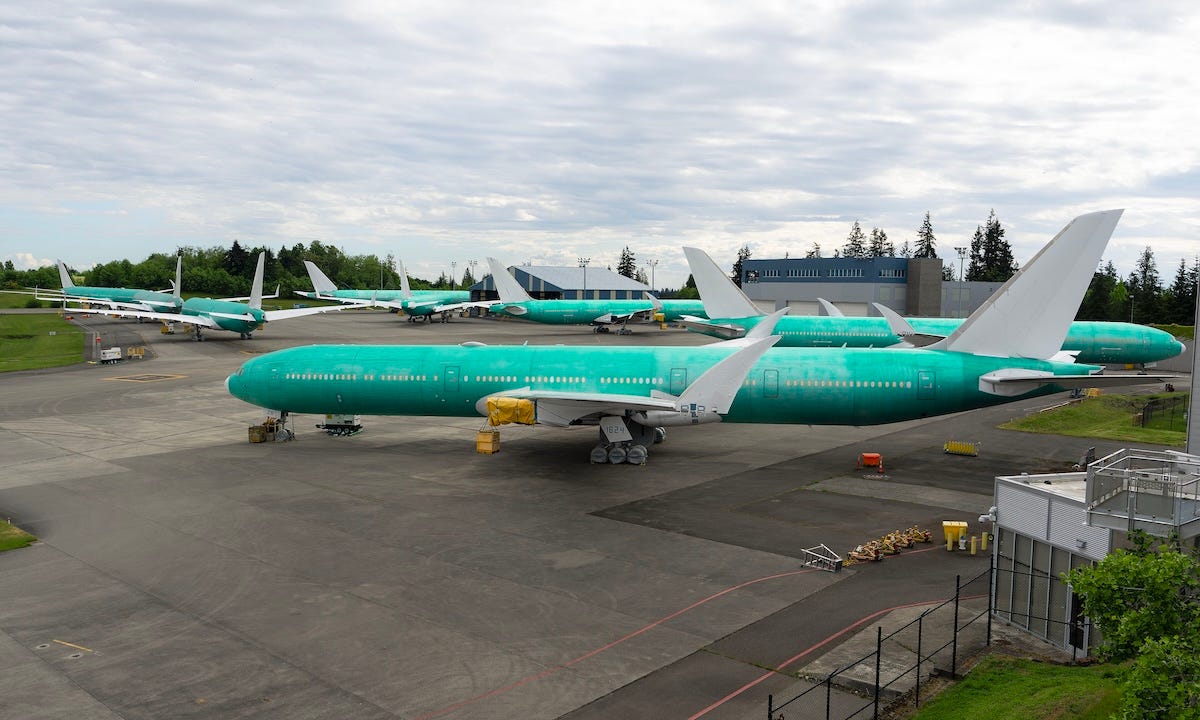
Why Emirates Rejected Its First 777-9s
Emirates operates the world’s largest 777X order book with 270 aircraft on order, including 235 of the larger 777-9 variant.
The Dubai-based carrier has been waiting seven years for the aircraft. Clark’s objections center on age and configuration.

Three of the Emirates 777-9s were built in 2019, followed by four in 2020 and another three in 2021. Clark pointed out that the first fully equipped aircraft should have been delivered in April 2020. If taken next year, these jets would be eight years old.
Clark stated that the first aircraft built for Emirates are close to their half-life by the airline’s standards before even entering service. The volume of modifications needed would leave them of limited practical use to any operator.
Emirates 777-9 Rejection Summary:
- 10 to 11 early-build aircraft refused
- Built between 2019 and 2021
- Would be 8 years old at delivery
- Require complete upgrade to meet spec
- Boeing already scrapped one Emirates-bound 777-9
- Clark suggested they sell for around $10 million
Boeing has already scrapped an Emirates-bound 777-9 rather than pay the enormous rework costs. Clark predicted that the early aircraft are “not going anywhere” unless Boeing gives them away for around $10 million. The aircraft carry an unofficial list price exceeding $500 million.
Riyadh Air and Qatar Airways have also indicated they do not want the early aircraft.


Boeing Commercial Airplanes President Stephanie Pope said the company has a dedicated team for change incorporation, separate from normal 777 production. She confirmed the expected modifications have already been accounted for in Boeing’s financials.
Issues affecting the early aircraft involve both the airframe and engines. Clark noted that if Boeing had stuck to the original schedule, multiple modifications would have been necessary in the first few years of operations anyway. Emirates decided it does not want to take that route.
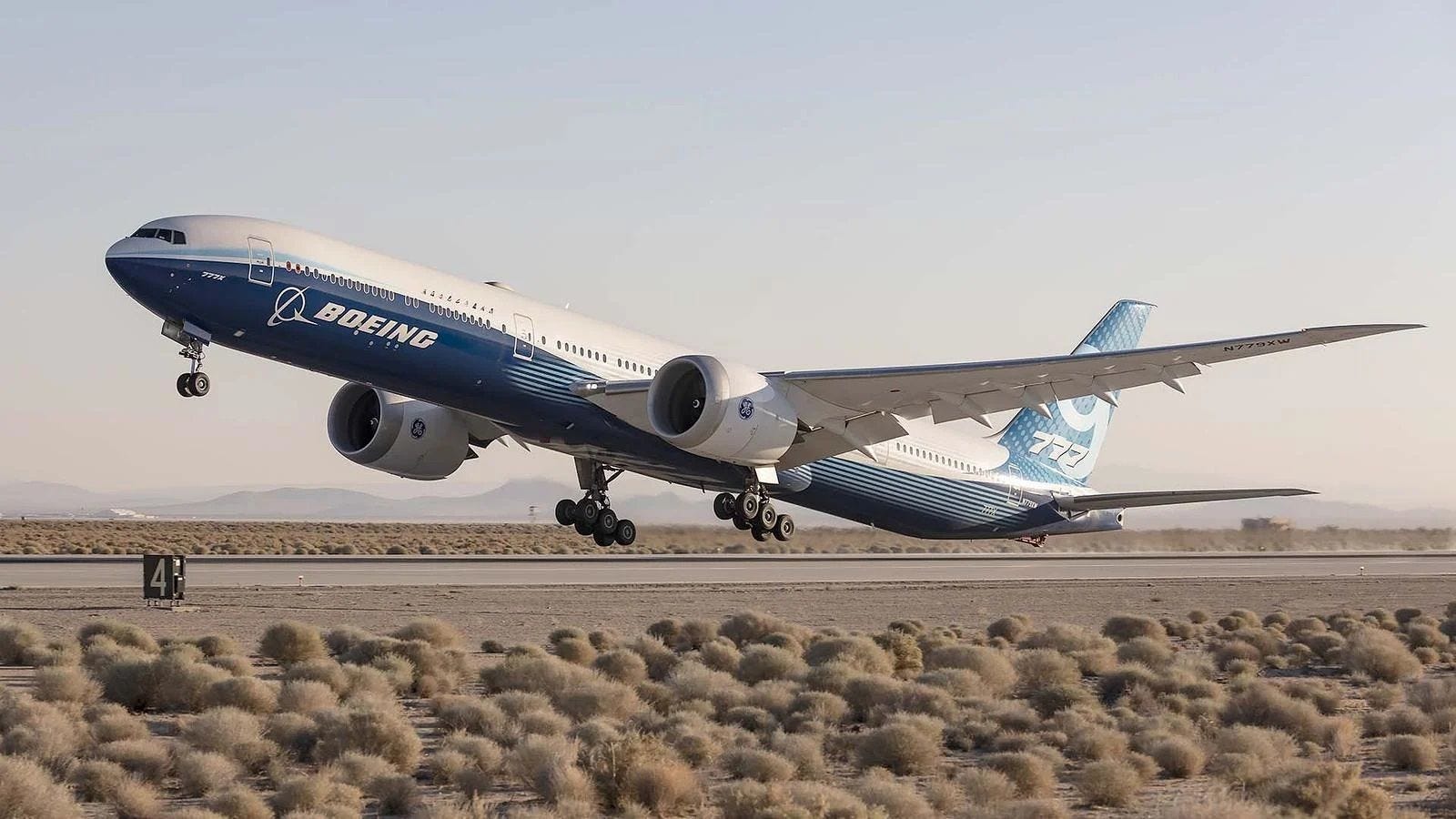
United Airlines’ Widebody Gap
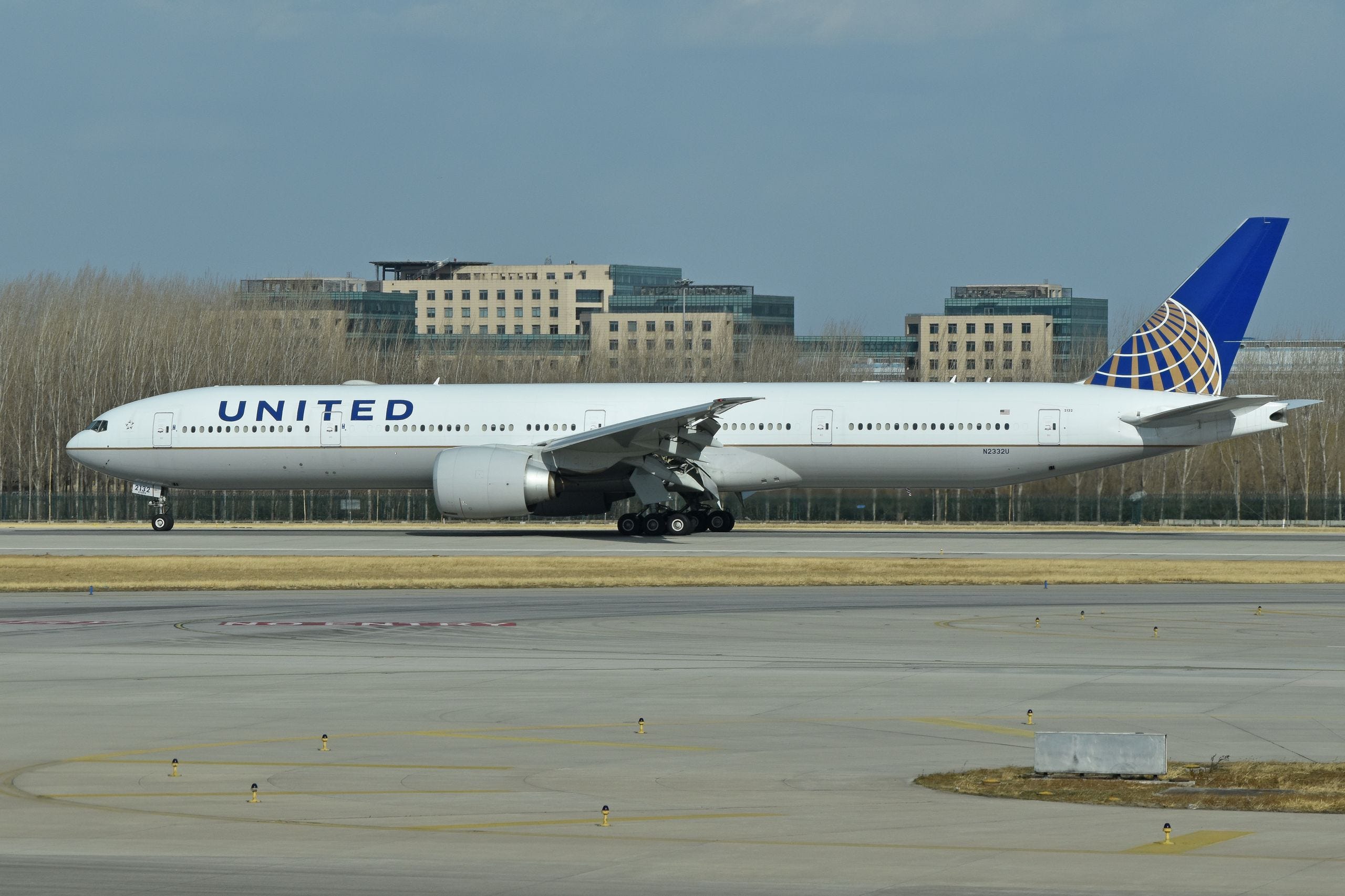
United operates an all-Boeing widebody fleet today, which reduces the training and maintenance friction of adding another Boeing type. The carrier’s aging 777-200s are living on borrowed time, with Pratt and Whitney engine issues forcing groundings.


Of the 19 original 777-200A models United once flew, six are already parked in Victorville, including the aptly registered N777UA.
The carrier has been retiring 777-200s and replacing them with A321neos and 757-300s on domestic routes. The widebody gap for long-haul operations continues to widen.
United also holds an order for the Airbus A350, its first Airbus widebody, but those deliveries have slipped. A legal dispute with engine supplier Rolls-Royce, reported at $175 million, remains unresolved. United CEO Scott Kirby has said a final decision on the widebody order will come by the end of 2026.


United Widebody Fleet Status:
- All-Boeing widebody fleet currently operating
- 777-200s being retired due to Pratt engine issues
- 777-300ERs remain in active service
- 787 family forms backbone of long-haul operations
- A350 order delayed, Rolls-Royce dispute ongoing
- 56 787-9 orders recently shifted to 787-10
The 777-9 would fill a capacity segment that United’s current fleet cannot address.
No US carrier has ordered the 777X, and the reason stems from network structure rather than aircraft quality. US hub-and-spoke networks prioritize frequency with smaller widebodies on more daily departures.
The 777X is positioned as the successor to the Boeing 747 and Airbus A380. No US carrier operates either aircraft, and no US airline has ever operated the A380. That absence of very large aircraft in the domestic market explains the lack of orders more than any specific issue with the 777X itself.
The Terrible Teens Parallel
The situation mirrors what Boeing experienced with the early 787 Dreamliners. The first 20 aircraft built required so much change incorporation that airlines declined to accept them, preferring later production airplanes. These became known as the “terrible teens.”
787 Terrible Teens vs 777X Early Builds:

787 Dreamliner:
- First 20 aircraft rejected by airlines
- Required extensive change incorporation
- Took years to sell at steep discounts

777X Program:
- 30+ stored at Paine Field since 2019
- Early builds require massive rework
- Multiple carriers declining early frames
It took Boeing years to sell those early 787s, and only at steep discounts. The 777X now faces an identical scenario with its own early-build fleet of more than 30 stored aircraft.
United has a history of capitalizing on weakness in Boeing’s lineup.
The final 777-300ERs off the production line were sold to United for a reported $110 to $120 million because Boeing needed the sales to bridge production between the old and new 777s. This pattern of opportunistic acquisition could repeat with the early-build 777-9s.